Rodrygo Explains Why Football Is Religion in Brazil, Novelty in America
Rodrygo captures the stark cultural gulf: football is Brazil's heartbeat, while America keeps its World Cup passion contained.
A Tale of Two Worlds
Rodrygo has put into words what millions of Brazilians feel but few can articulate for a global audience. The Real Madrid forward, reflecting on his World Cup journey across North America, delivered a blunt assessment of the cultural gulf between two footballing worlds.
"Football's extremely important role in Brazilian culture explains why the national team at the World Cup is the centre of our universe."
The 23-year-old has spent the tournament month straddling two realities. He lived the US experience first, chasing the Selecao through American stadiums. Then he returned home to feel the difference.
The contrast, he insists, could not be starker.
The American Containment Zone
In the United States, Rodrygo observed a predictable pattern. World Cup fever exists, but its boundaries are firmly drawn.
The atmosphere, which for many is one of the most infectious feelings in global sport, stays confined to specific zones. Stadiums. Surrounding streets. Official fan festivals.
This has played out before and comes as no surprise. Football has limited traction in North American culture, Rodrygo notes, compared to the big three American sports that dominate the sporting landscape.
Step outside those designated fan zones and America looks like a country barely aware a global tournament is happening. The grocery stores play baseball on overhead televisions. Sports radio leads with NFL training camp storylines. The World Cup is a curiosity, not a compulsion.
The Brazilian Universe
Brazil operates on an entirely different frequency.
When the national team plays, huge parties erupt. Not in designated fan zones, but in living rooms, on street corners, in offices where work stops entirely.
The Real Madrid attacker's observation cuts deep: Brazilians do not just love their national team. They cherish a good game, whoever is playing. Two unknown clubs from regional divisions could produce a match that stops a neighbourhood.
This distinction matters. It explains why Brazil produces generation after generation of world class talent. Children grow up breathing football the way American children breathe the NFL and NBA conversation. It is not an activity they choose. It is the air they breathe.
The Historical Weight
Rodrygo stands on the shoulders of a tradition that stretches back nearly a century.
Brazil has won five World Cup titles, more than any other nation. The names of predecessors carry mythological weight. Pele. Garrincha. Zico. Socrates. Romario. Ronaldo. Ronaldinho. Each represents a chapter in a national story.
When Rodrygo pulls on the yellow shirt, he is not representing a sports team. He is fronting a cultural identity that every Brazilian understands from birth.
The institutional pressure is immense. The Brazilian Football Confederation (CBF) operates under more scrutiny than many government departments. Every squad selection triggers national debate. Every tactical choice becomes headline news. A single poor result can put a coach's job in jeopardy within 48 hours.
This is the weight Rodrygo carries, and his reflections suggest he feels it deeply.
The American Trajectory
The United States is not without its own football story, and it is growing.
Major League Soccer continues its steady expansion. The 2026 World Cup, co-hosted across the US, Canada and Mexico, will accelerate interest. But acceleration and immersion are different concepts.
Rodrygo's assessment implies that even with a home World Cup on American soil, the cultural ceiling remains. The NFL will still own Sundays. The NBA will still own cultural cool. College football will still fill 100,000-seat stadiums every autumn Saturday.
Football in America is a supplement. In Brazil, it is the main course, the appetizer, and the dessert.
The Dressing Room Reality
Back in the Brazilian camp, the atmosphere carries a different texture. Rodrygo describes a space where the weight of national expectation sits on every player's shoulders.
The dressing room before a match is not quiet. It vibrates with the accumulated energy of a country that has stopped working. Staff members exchange knowing looks. The kit men, the physios, the security detail, all understand that what happens in the next 90 minutes defines a nation's mood for a week.
Players cross themselves, touch the badge, whisper prayers. The noise from outside, thousands of miles away, is deafening even in silence.
What It Means
Rodrygo's reflections are not a criticism of the United States. They are an observation from a man who has lived both worlds and understands the cultural mechanics driving each one.
For Brazil, his words reinforce what the football world already knows. The Selecao will always carry a weight no other national team bears in quite the same way.
For America, the message is more nuanced. The 2026 World Cup will be a spectacular event. Stadiums will be full. Fan festivals will thrive. Television ratings will spike.
But true football culture cannot be manufactured. It must be inherited, passed through generations, woven into daily life until it becomes invisible and indispensable.
Brazilians do not watch football. They exist inside it.
The United States may reach that point eventually. But based on Rodrygo's first hand observation, that day is not coming soon.
For now, football's centre of the universe has a fixed address. It is painted yellow, plays samba music before kick off, and expects nothing less than the beautiful game, delivered beautifully.
Rodrygo knows this. He has always known this.
Now, thanks to his platform, a few more people outside Brazil understand it too.
Editorial Integrity
This is an original SportPulse article written by our editorial team. All content is independently researched, written, and reviewed by our writers and editors before publication. We do not publish copied, aggregated, or syndicated content.
SportPulse is committed to original sports journalism. Read our editorial policy or contact us with any questions.
More Like This
All long-reads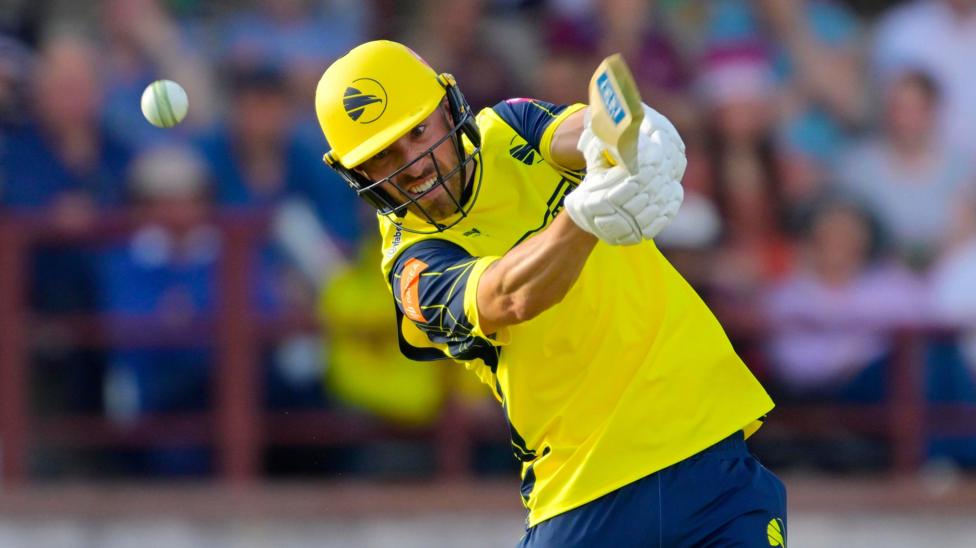
Hampshire's Relentless Chase Underlines T20 Mentality Shift
Hampshire's six-match streak isn't luck; it's a masterclass in phased chase management under pressure.
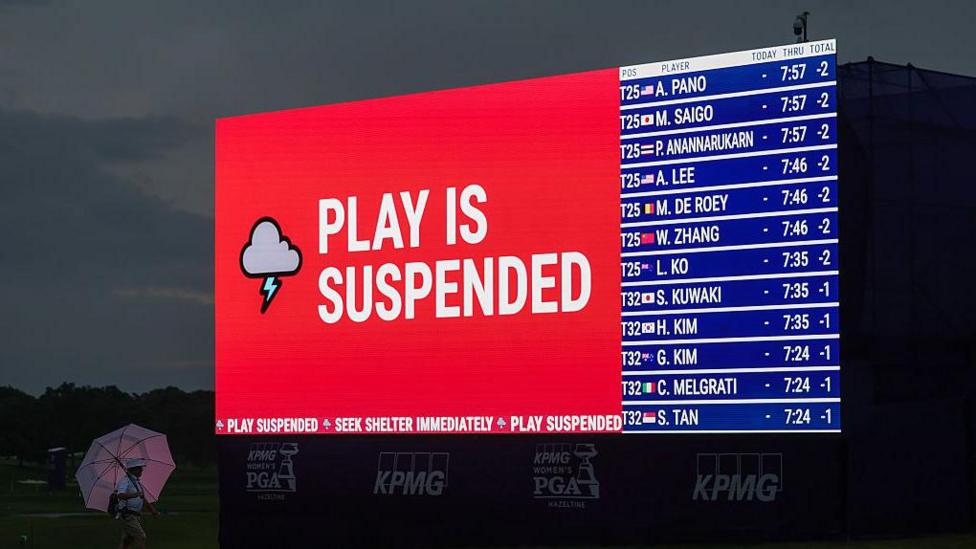
Storm Warning: Weather Halts Women's PGA Championship Final Round
A 3.5-hour weather delay disrupts the Women's PGA Championship, reshuffling strategy and nerves at a major climax.
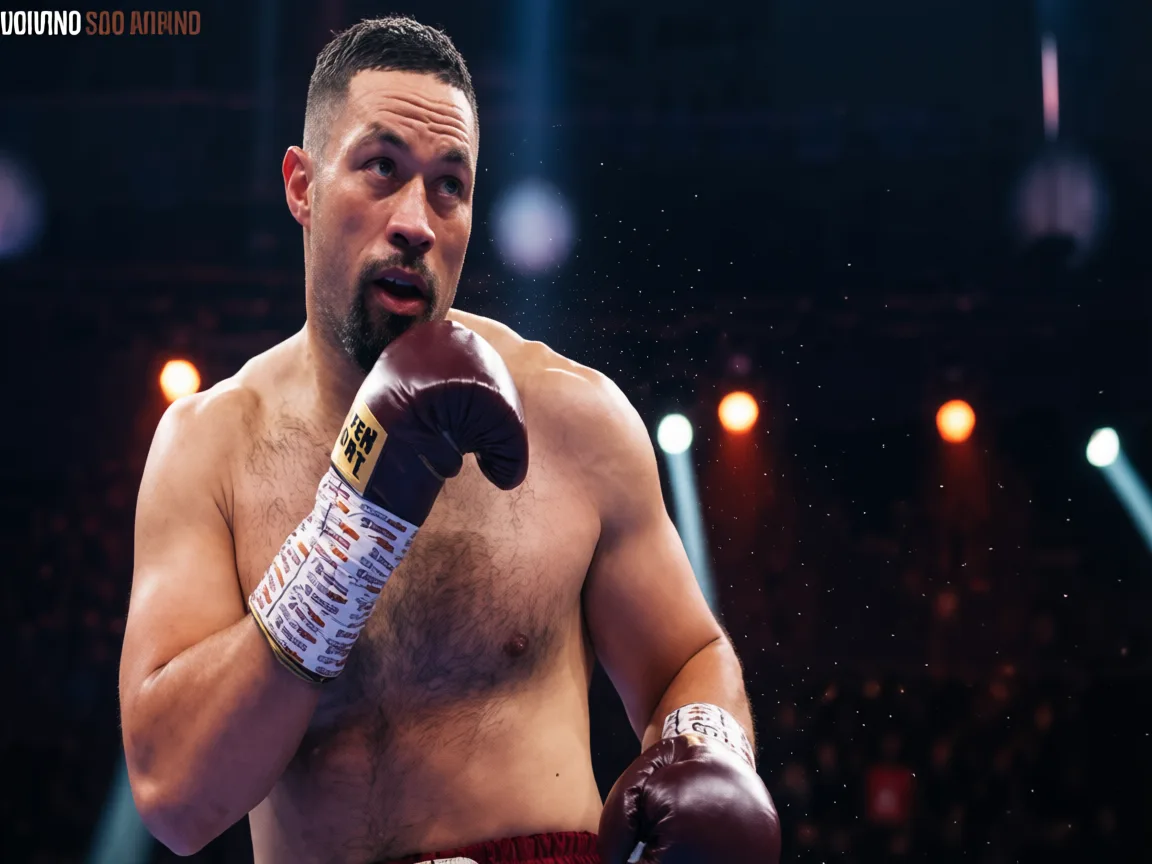
Parker's Positive Test Pointed at Nutritionist, Not Recreational Use
Joseph Parker's cocaine finding traced to his nutritionist, raising questions about supplement oversight in elite boxing.