Parker's Positive Test Pointed at Nutritionist, Not Recreational Use
Joseph Parker's cocaine finding traced to his nutritionist, raising questions about supplement oversight in elite boxing.
Parker's Positive Test: Nutritionist Link and Implications
Joseph Parker, the former unified heavyweight world champion, tested positive for cocaine after a UK Anti-Doping (Ukad) sample. The finding drew attention because cocaine is not a traditional performance-enhancing substance.
The investigation report linked the traces to Parker's nutritionist, shifting the focus from athlete misconduct to a failure in supplement oversight. Dietary planning, micronutrient dosing, and recovery protocols fall within a nutritionist's remit. If a contaminated or improperly managed product entered Parker's routine through that channel, his direct responsibility becomes harder to establish.
The report identified the nutritionist as the source but did not detail how cocaine entered Parker's system, whether through contaminated supplements, formulation error, or intentional administration. Those gaps will likely be addressed during disciplinary proceedings.
Cocaine testing thresholds differ from those for anabolic steroids or EPO. Minimal exposure can trigger a positive test, and the body clears cocaine within days. A persistent trace therefore suggests recent, deliberate exposure, complicating the timeline if the nutritionist link is indirect.
Parker's professional record includes WBA and IBO world titles, high-level challenges, and sustained top cruiserweight status before moving up. A positive test creates a cloud around his standing and marketability in a sport where image and sanctionability are intertwined.
Ukad cases follow a formal adjudication process. Parker's team can argue for a reduced sanction by demonstrating no significant fault or negligence on his part. If the nutritionist acted independently and provided products without Parker's knowledge, the panel may treat the case differently than if the athlete had direct involvement in supplement selection.
Anti-doping in combat sports has tightened recently, with more high-profile athletes facing scrutiny over non-performance-enhancing prohibited substances. For boxing, the issue highlights a structural weakness: many fighters rely on private practitioners not always subject to the same regulatory oversight as medical staff. Supplement contamination remains a common pathway to positive tests, and Parker's case follows that familiar route despite the unusual substance involved.
The investigation report provides a factual basis for Parker's team to argue reduced responsibility. The final outcome depends on whether the panel accepts the indirect-exposure explanation and whether Ukad pursues a full sanction or negotiated reduction.
Editorial Integrity
This is an original SportPulse article written by our editorial team. All content is independently researched, written, and reviewed by our writers and editors before publication. We do not publish copied, aggregated, or syndicated content.
SportPulse is committed to original sports journalism. Read our editorial policy or contact us with any questions.
More Like This
All long-reads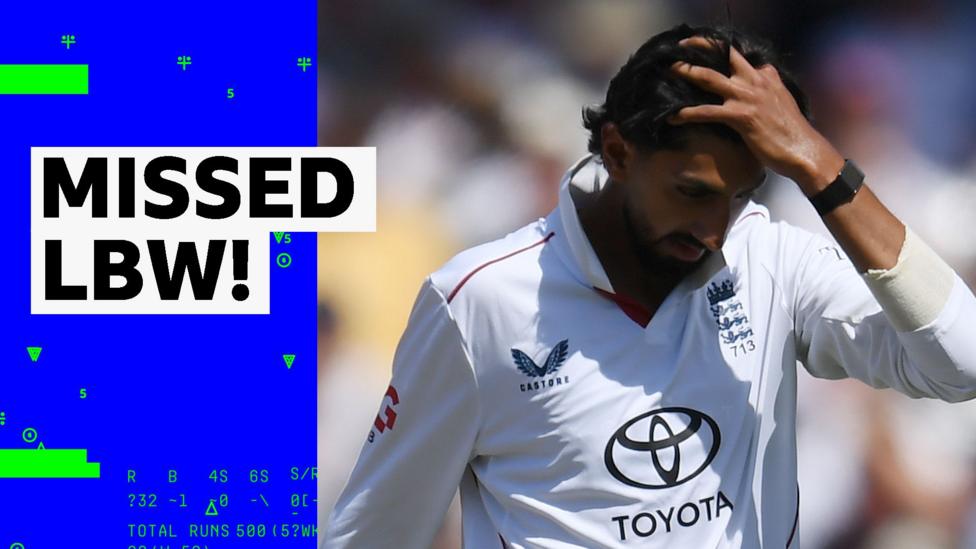
England's DRS Howler Lets Conway Off the Hook
England's failure to review a plumb LBW on Devon Conway handed New Zealand a massive reprieve on a lifeless day of Test cricket.

Why Saudi and Iraqi Flags Defy World Cup Protocol
Saudi Arabia and Iraq's flags bypass FIFA's pre-match pitch protocol due to religious inscriptions, exposing the friction between standardized ceremony and sacred text.
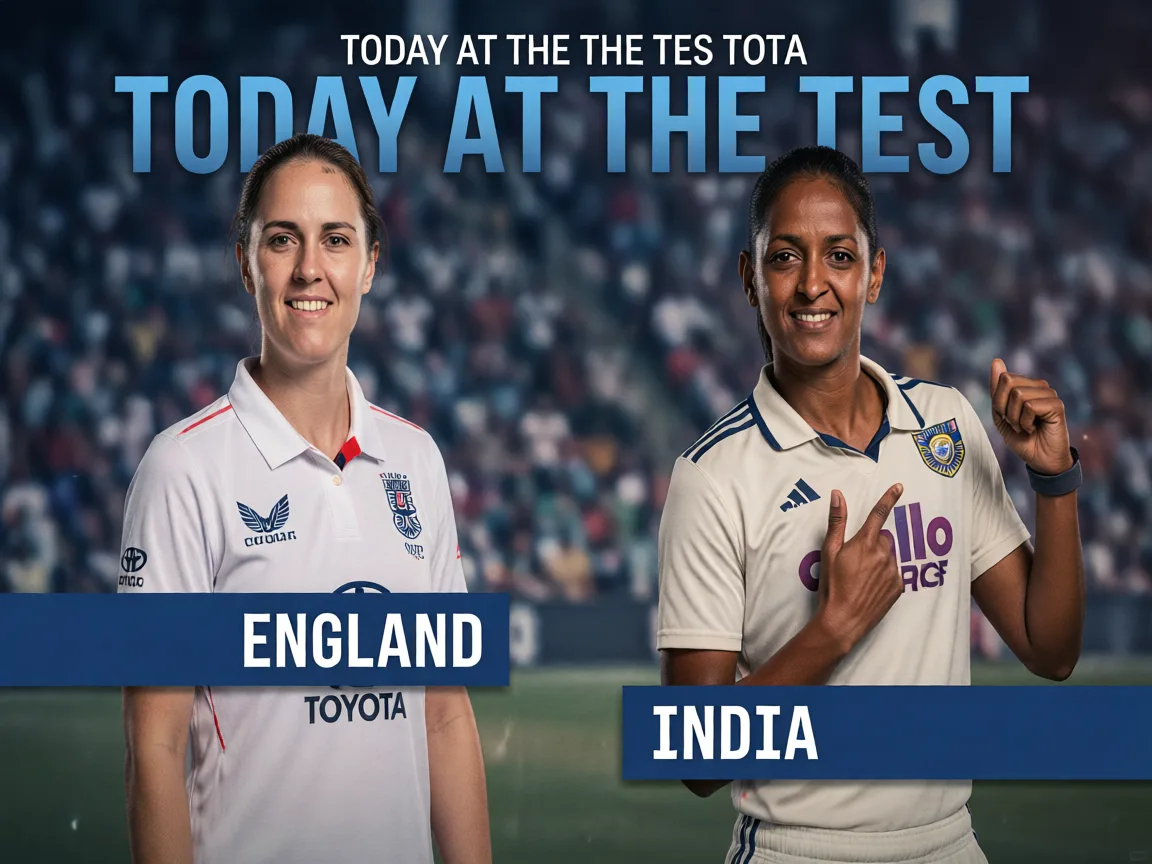
Lord Witness: England Women vs India Women Test Day One Drama
Day one at Lord's delivered a overdue Women's Test spectacle between England and India with tension, skill, and history.