Fifa's October 2020 Term Sheet: How Close Infantino Came to Naming a Super League
A leaked term sheet reveals Fifa's president pushed to rebrand the European breakaway as the Fifa Super League and sideline member associations.
The Term Sheet That Rewrote European Football
Before the European Super League collapsed in April 2021, Gianni Infantino's administration was already negotiating a term sheet that would have renamed the breakaway competition the Fifa Super League and installed Fifa as its governing anchor. The document, dated October 2020, surfaced now for the first time in full, confirming that Fifa staff were directly involved in shaping a project that would have upended the sport's power structure.
The October 2020 term sheet proposes that any new competition carry Fifa's branding. It goes beyond marketing. It outlines governance rights for the global governing body, including a so-called golden share that would have given Fifa special political authority over the tournament's operation. That detail alone reframes what the ESL was always understood to be: not a rebellion against football's institutions, but a deal being cut with one of them.
Sideline the Associations
Perhaps more striking than the rebranding proposal is what the term sheet reveals about Fifa's willingness to sideline its own member associations. The document shows Infantino's administration was prepared to push plans to cut back the number of international windows, effectively reducing the say that national federations had over their own players' calendars.
Member associations are Fifa's political foundation. To attempt to marginalize them in favor of a club-dominated competition is a remarkably bold power move, and one that suggests the breakaway was never going to be simply a club revolt. It was going to be an institutional project with Fifa at its center.
From October 2020 to April 2021
The timeline matters. The term sheet is from October 2020. The ESL launched in April 2021 with twelve founding clubs and was collapsed within days after sustained pressure from fans, players, governments, and football's existing bodies. What happened in those six months is partly narrative and partly structural. The public revulsion was real and overwhelming. But the institutional architecture Infantino's team had already begun negotiating was, according to the term sheet, further along than most suspected.
The golden share provision is the most revealing clause. It would have embedded Fifa not as a neutral referee but as a stakeholder with veto-level governance rights. That is a fundamentally different relationship to the one the governing body currently occupies in relation to club competitions. It also raises a question that the document forces into the open: how much of the ESL's institutional scaffolding was already in place before the public announcement that triggered the backlash?
What the Document Does and Does Not Say
The term sheet is a negotiating document, not a signed agreement. There is no evidence it was ever executed or that any of its provisions were implemented. The Eleven founding clubs eventually walked away from the original format, and the competition that emerged in 2024 as the updated Super League bears little resemblance to the structure Infantino's team was discussing in October 2020.
But the existence of the document changes the conversation. It moves the story past speculation about whether Fifa was merely aware of the ESL to evidence that Fifa staff were engaged in concrete negotiations about how to absorb and rebrand it. That is a distinction with real consequences for how the sport's governance is perceived.
Verdict
The October 2020 term sheet is not a conspiracy theory. It is a paper trail showing that Fifa's leadership was prepared to rebrand a club breakaway as the Fifa Super League, install a golden share giving the governing body veto-level authority, and sideline member associations in the process. The ESL failed publicly, but the institutional ambition behind it was already structured, negotiated, and ready on paper. That changes how the whole episode is remembered.
The Bottom Line
Infantino's administration did not merely watch the European Super League attempt from the sidelines. It was at the negotiating table, drafting a term sheet that would have made Fifa the competition's governing body and reduced the influence of the very member associations that form the foundation of the sport's structure. The project collapsed, but the document remains as evidence that the attempt was never simply about clubs defying football's institutions. It was about replacing them.
Editorial Integrity
This is an original SportPulse article written by our editorial team. All content is independently researched, written, and reviewed by our writers and editors before publication. We do not publish copied, aggregated, or syndicated content.
SportPulse is committed to original sports journalism. Read our editorial policy or contact us with any questions.
More Like This
All football
Carrick's Midfield Revolution: Why Santos Solves United's Balance Problem
Andrey Santos arrives from Chelsea as Carrick's first signing, offering a youthful press-resistant profile to reshape a drained midfield.
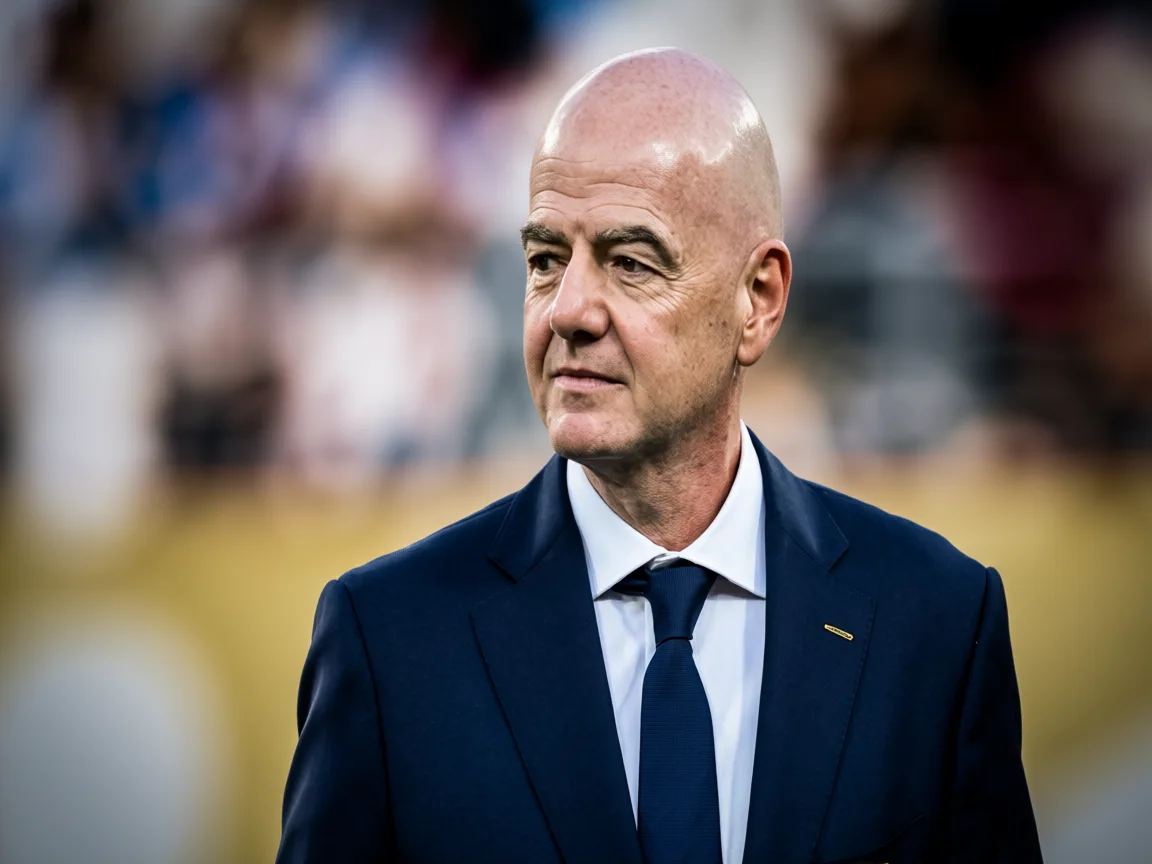
UEFA Stands Firm: Infantino Boycott Looms Despite FIFA Withdrawal of Support
UEFA insists FIFA's撤回 backing of Gianni Infantino changes nothing as the European body prepares to press ahead with its planned boycott.
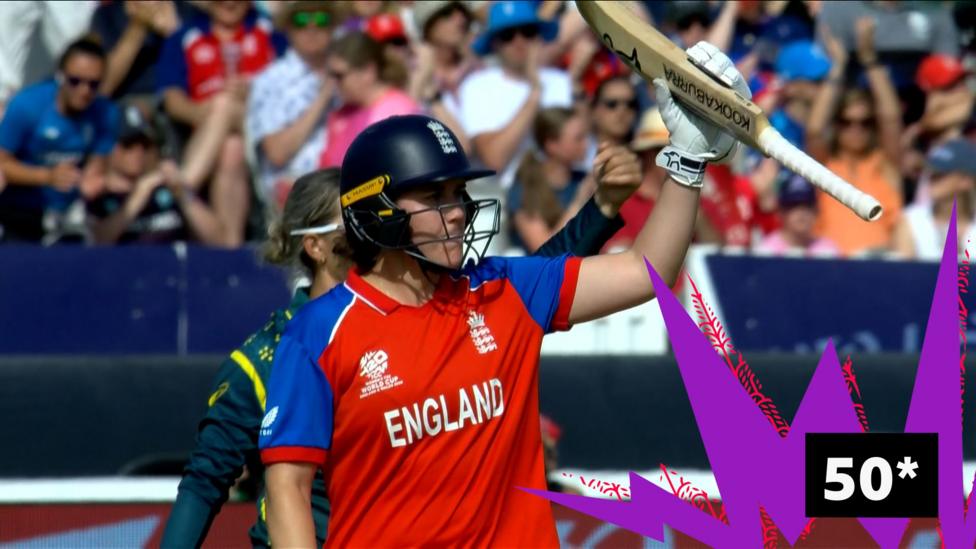
Sciver-Brunt's Lord's Masterclass Gives England World Cup Lifeline
England's captain stood alone when it mattered most, crafting an unbeaten 58 that turned a potential collapse into a fighting total at Lord's.