UFC Fighter Allan Nascimento Dies at 34 After Apparent Heart Attack
The Brazilian MMA competitor's sudden death raises familiar questions about combat sports' medical protocols and fighter safety.
Allan Nascimento, 34, Dies After Apparent Heart Attack
UFC confirmed the death of flyweight fighter Allan Nascimento at age 34 following an apparent heart attack. The promotion disclosed few medical details beyond the preliminary cause.
UFC released no statement on whether the event occurred during training, at rest, or in competition. The silence follows standard practice for the promotion, which defers medical specifics to local authorities and family representatives.
Nascimento competed at 125 pounds, one of MMA's most physically punishing weight classes. Cutting to flyweight requires severe dehydration regimens that combat sports physicians have long flagged as cardiovascular risk factors. The medical literature connecting extreme weight cuts to heart stress is extensive. No confirmed link between Nascimento's competitive practices and his death has been established.
A 34-year-old professional fighter has died suddenly from cardiac failure. In any sport, that profile demands scrutiny. In a sport where brain health and cardiovascular stress are occupational hazards, it demands a regulatory response.
Pre-Fight Screening, Post-Fight Consequences
UFC requires medical clearance before bouts, including blood work, brain imaging, and ECGs. These evaluations happen within fight-week windows that reward weight manipulation. Severe dehydration followed by rapid rehydration places fighters in altered physiological states that screening protocols are not always designed to catch.
The promotion has tightened pre-fight medical requirements over the past decade. Out-of-competition monitoring remains minimal. Fighters operate as independent contractors responsible for their own physical preparation.
Previous MMA tragedies have prompted incremental change rather than systemic reform. Each incident produced piecemeal adjustments: expanded medical suspensions, concussion protocols. No comprehensive, year-round cardiovascular monitoring program for rostered athletes has followed.
Inside Brazilian MMA's Close Network
Inside the sport's close-knit community, word travels among fighters through texts before press releases. Private condolences arrive long before official announcements. For Brazilian fighters, the network runs particularly tight. Nascimento's teammates and coaches at his home gym will process the absence through the routine of shared suffering: daily weight cuts, sparring sessions, the bonds that sudden loss renders acute.
Fighter safety advocates have repeatedly called for continuous monitoring rather than event-based screening. The medical infrastructure exists. The cost relative to promotion revenue is negligible. The gap between available care and implemented care remains the sport's quiet admission.
Nascimento's death at 34 forces a familiar conversation. The specific question is whether the promotion revisits the scope of athlete cardiovascular screening, or whether the cycle resets within the news cycle. What changes, if anything, depends on whether UFC and the sport's governing bodies treat this moment with more substance than the familiar expressions of condolence that will surface in the coming days.
Editorial Integrity
This is an original SportPulse article written by our editorial team. All content is independently researched, written, and reviewed by our writers and editors before publication. We do not publish copied, aggregated, or syndicated content.
SportPulse is committed to original sports journalism. Read our editorial policy or contact us with any questions.
More Like This
All long-reads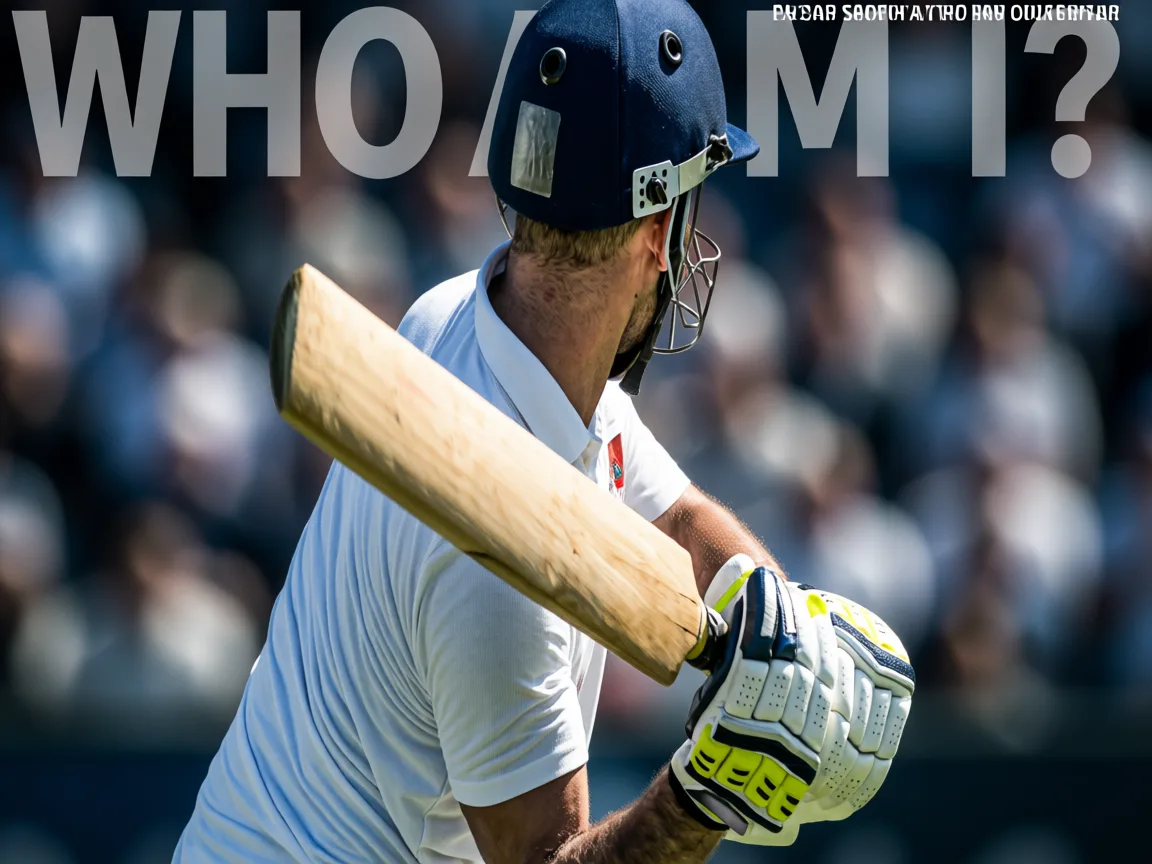
Guess The Hundred Cricket Star No 13
Test your cricket knowledge with today's interlude — can you name the Hundred star in as few attempts as possible?
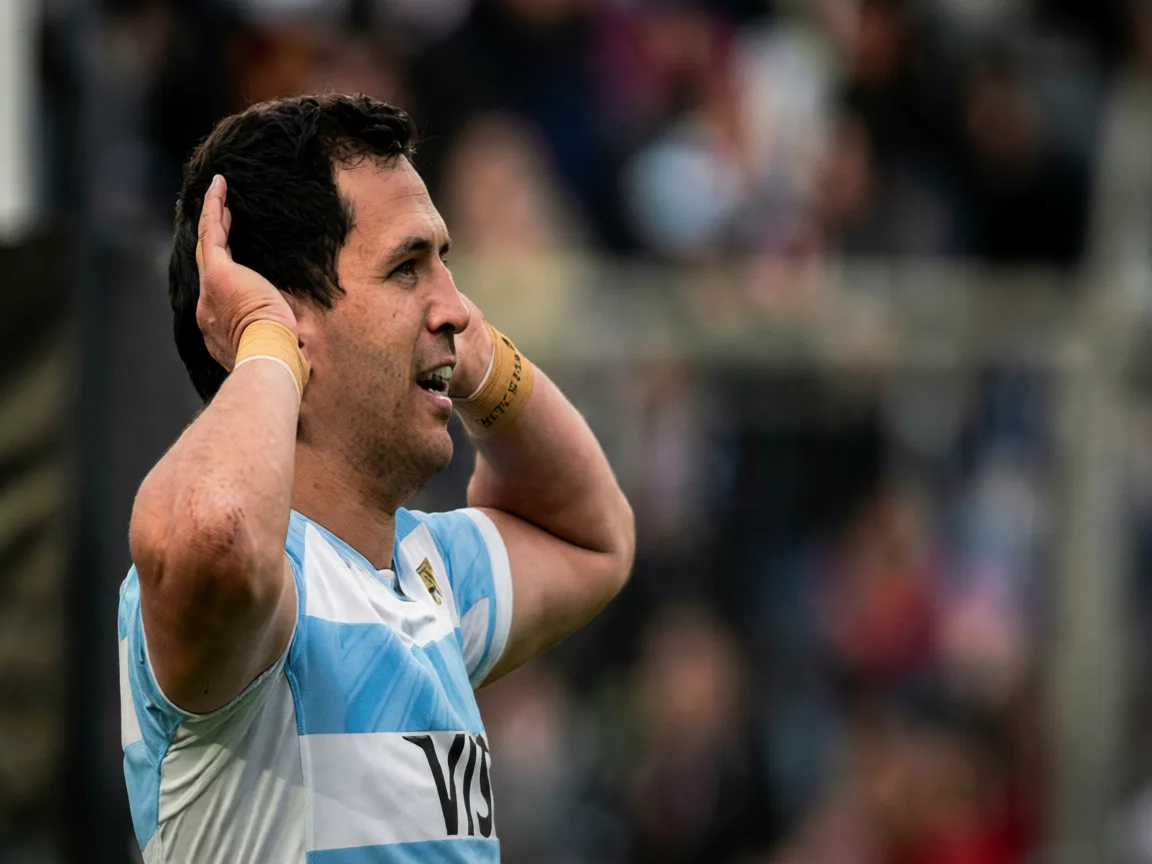
How Rugby Is Booming in Football-Mad Argentina Under Contepomi
Felipe Contepomi says rugby is booming in football-obsessed Argentina, a remarkable rise built on Jaguares grit and Pumas pride.
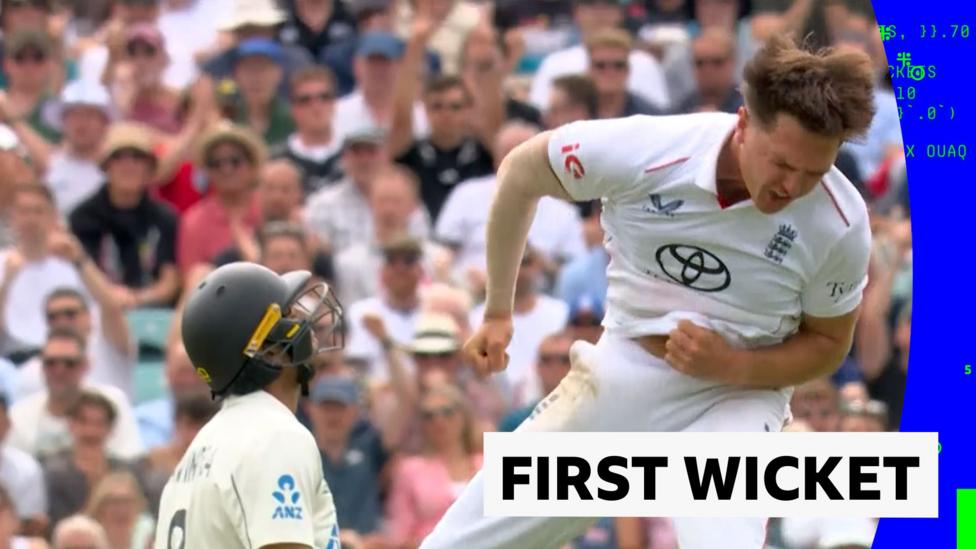
Sonny Baker Announces Himself: First Test Wicket Caps a Breakthrough Summer
Young England quick Sonny Baker claimed his first Test wicket by dismissing Rachin Ravindra as New Zealand wobbled on day one at The Oval.