UEFA vs FIFA: The Legal Battle Over Football's Sell-Off
UEFA's threat of legal action marks the sharpest clash yet over who controls the commercial future of global football.
UEFA Threatens Legal Action Over FIFA Investment Plan
UEFA has threatened legal action against FIFA over Gianni Infantino's abandoned plan to sell stakes in FIFA competitions to private investors. The proposal would have introduced commercial ownership into a structure built on member associations and controlled revenue distribution, and the dispute now runs through FIFA's own executive corridors.
Infantino's approach mirrored models used in the English Premier League's early years and North American franchise systems, where private equity and ownership groups underwrite infrastructure and competition growth. Selling partial ownership of FIFA's competitions would have unlocked capital without raising ticket prices or television fees for consumers. The World Cup, Club World Cup, continental qualifiers, and women's football infrastructure represent assets that private capital could develop faster than FIFA's existing revenue model allows.
The plan was scrapped, but it shows where FIFA's leadership sees commercial opportunity. That opportunity sits inside UEFA's operational territory.
UEFA generates the bulk of its revenue from the same competition ecosystem FIFA would have partially offloaded to private investors. Champions League rights, Europa League branding, qualifying matches, and domestic league windows all depend on a commercial model UEFA has refined over two decades alongside member associations and broadcasting partners. If FIFA competitions attract private investment, rights negotiations, sponsorship allocations, and tournament scheduling could face new influence, potentially eroding UEFA's control over its own calendar and revenue. FIFA has the financial heft and institutional authority to make moves individual confederations cannot counter alone.
Football governance disputes have historically been resolved through negotiation, not litigation. UEFA argues FIFA's plans would disrupt the established commercial and regulatory framework governing international football, and has decided legal action is the appropriate response.
Grafström and Wenger Break With the Plan
Infantino's position has weakened not only externally but inside his own organization. FIFA secretary general Mattias Grafström, effectively the president's No 2, called the failed private investment plan a "sad and reproachable series of events." The language from a sitting FIFA executive is unusually direct and signals that senior staff are unwilling to absorb political damage for a proposal they did not design.
Arsène Wenger, FIFA's chief of global development, made his first public comment on the matter on Tuesday morning, declaring the project's withdrawal "absolutely necessary." Wenger also revealed he had known nothing about the investment plan before it surfaced, a disclosure that distances him from the decision-making circle and raises questions about how widely the proposal was consulted on inside FIFA House before it was pushed publicly.
Grafström and Wenger distancing themselves from the president's signature commercial initiative exposes a leadership operating with narrow counsel, unable to carry its own executive board on a plan that drew global scrutiny and was abandoned within weeks.
Two Decades of Continental Rivalry
Tension between FIFA and UEFA dates to the early 2000s, when then-President Sepp Blatter attempted to expand FIFA's direct commercial reach into European markets. Blatter's approach was confrontational. Infantino, who succeeded Blatter, has been more cautious in rhetoric but equally ambitious in scope, building new tournaments and expanding existing ones until the commercial architecture resembled something UEFA could no longer ignore.
UEFA has now moved from obstruction to legal threat. The shift suggests the organization believes the institutional balance has tilted too far and that diplomatic channels alone will not restore it. With Grafström and Wenger now publicly breaking with the plan, Infantino faces pressure from both sides of football's governance divide.
The scrapped investment plan is a tactical retreat for FIFA. UEFA's legal threat is a strategic statement about whether FIFA can continue expanding its commercial footprint into areas UEFA considers its own, and whether the continental body will litigate to stop it.
Updated: 2026-08-05 - Clarified that Wenger's "absolutely necessary" remark was his first public comment on the scrapped private investment plan.
Editorial Integrity
This is an original SportPulse article written by our editorial team. All content is independently researched, written, and reviewed by our writers and editors before publication. We do not publish copied, aggregated, or syndicated content.
SportPulse is committed to original sports journalism. Read our editorial policy or contact us with any questions.
More Like This
All football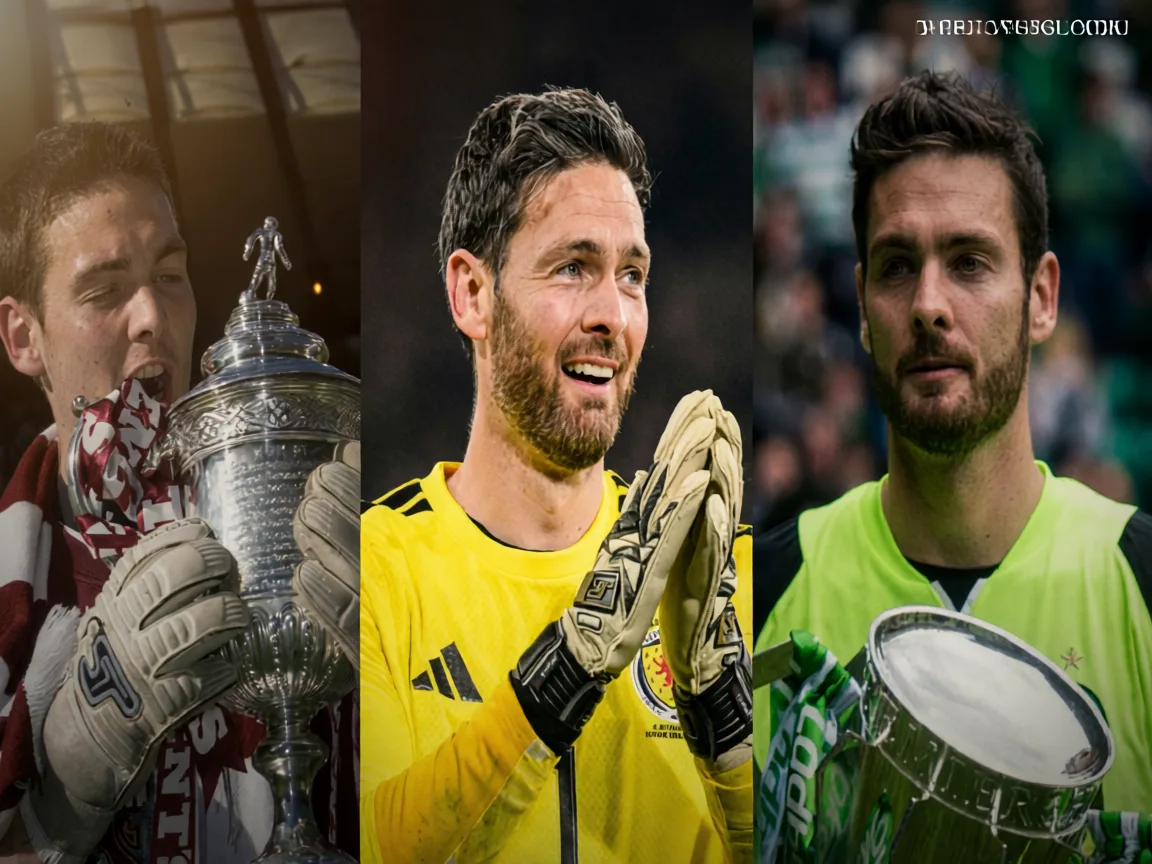
Craig Gordon Walks Away After 25 Years Between the Posts
A goalkeeper who defied two broken legs and 20 international years finally calls time on a remarkable, resilient career.

England's Low Block Crisis: Why Tuchel Must Unlock Urgency Before Panama
A goalless stalemate with Ghana exposed England's oldest tactical wound ahead of their decisive Panama clash.
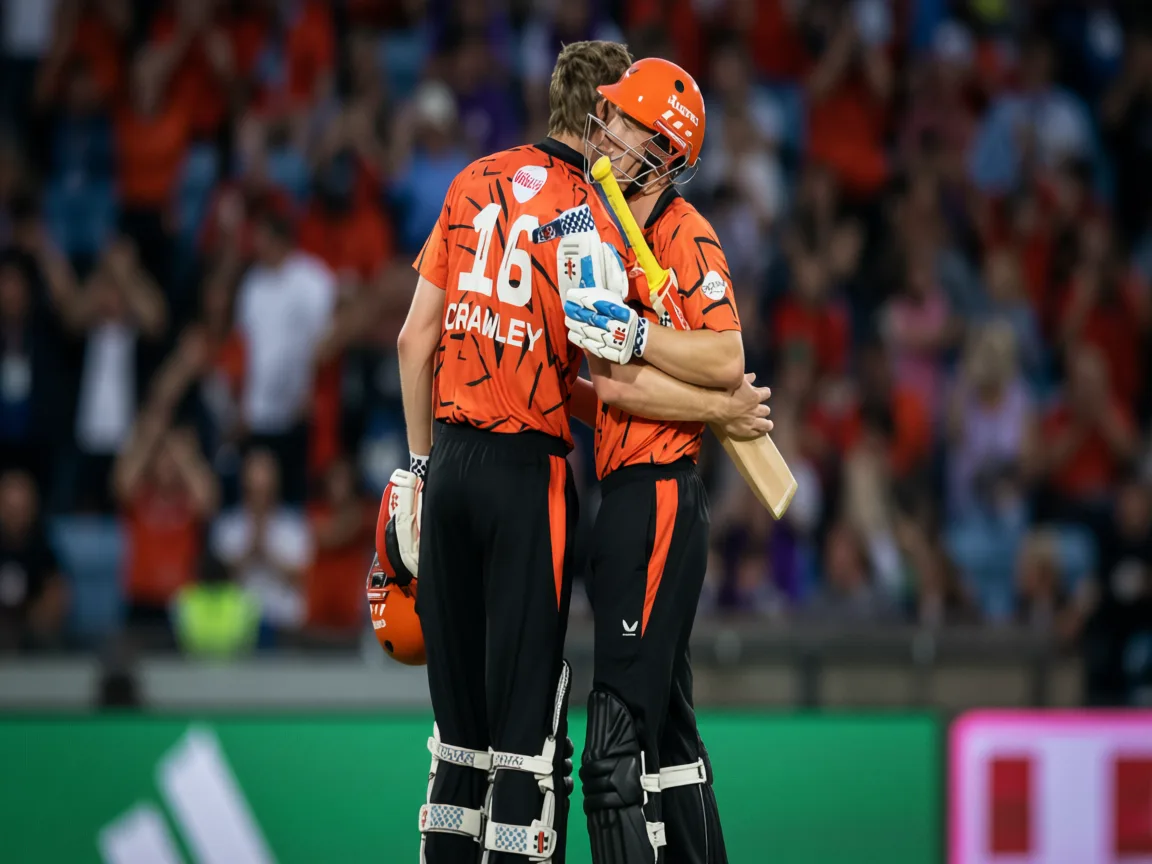
Crawley and Brook Power Sunrisers to Eight-Wicket Blowout
Zak Crawley and Harry Brook’s nine sixes propelled Sunrisers Leeds to an eight-wicket win over Manchester Super Giants in The Hundred.