Tata Steel Pulls the Plug on Jamshedpur FC in Blow to Indian Football
Tata Steel's withdrawal of Jamshedpur FC from the ISL has triggered protests, petitions, and desperate appeals from players and legends alike.
Tata Steel Withdraws Jamshedpur FC From the ISL
Tata Steel has withdrawn Jamshedpur FC from the Indian Super League, ending the club's participation in India's top-flight professional competition. The conglomerate cited a desire to focus more intensely on grassroots development as the rationale behind the decision.
The club, backed by the industrial giant since its inception, had become one of the more stable franchises in the ISL's history. Its removal leaves a gap in the league's structure and a city without a professional side.
Chaudhari and the Fans Fight Back
Within hours of the announcement, defender Pratik Chaudhari addressed the camera directly, teammates visible behind him in matching silence.
Please don't let this be the final whistle for Jamshedpur FC. We would like to say on behalf of all the players, please do rethink about this. Because if this happens, this is not just a loss for Indian football ... this is a big loss for all of India.
Supporters marched in protest, petitions demanding reversal gathered signatures, and the appeal reached beyond the dressing room. Sunil Chhetri, India's most capped player, publicly joined the calls for reconsideration.
The ISL's Corporate Dependency
The Indian Super League has long relied on corporate ownership to provide the financial backbone for professional football in a country where club infrastructure remains underdeveloped compared to other sporting nations. Jamshedpur FC was not merely a team. It was a product of Tata Steel's broader commitment to building football from the ground up in the industrial city of Jamshedpur in Jharkhand state.
By pivoting toward grassroots development exclusively, Tata Steel is effectively choosing to invest in the pipeline rather than the product. The immediate consequence is a team without a league, players without contracts, and a city that had begun to identify with a professional side.
The ISL now faces a practical question: how does the league operate with one fewer franchise, and what does that mean for scheduling, competitive balance, and commercial calculations heading into the next season?
The Volatility of Corporate Sponsorship
Indian football has oscillated between corporate ownership models and state-backed structures, with varying degrees of sustainability. The ISL's franchise model was designed to attract investment from established businesses, but the current episode highlights the risk of that approach. When a parent company reevaluates its sporting commitments, the club has little institutional protection.
Jamshedpur FC's withdrawal is a stark reminder that corporate sponsorship in Indian football remains voluntary and revocable. The club's fans, players, and the footballing ecosystem that grew around it are now dealing with the consequences of a decision made at the boardroom level, decided without pitch consideration.
The coming weeks will determine whether the withdrawal becomes permanent or whether sustained pressure from players, fans, and footballing authorities can prompt a reversal. The ISL management will need to decide how to handle a sudden vacancy in the league structure. Without deeper institutional foundations, corporate ownership remains the sport's greatest strength and its most visible vulnerability.
Editorial Integrity
This is an original SportPulse article written by our editorial team. All content is independently researched, written, and reviewed by our writers and editors before publication. We do not publish copied, aggregated, or syndicated content.
SportPulse is committed to original sports journalism. Read our editorial policy or contact us with any questions.
More Like This
All football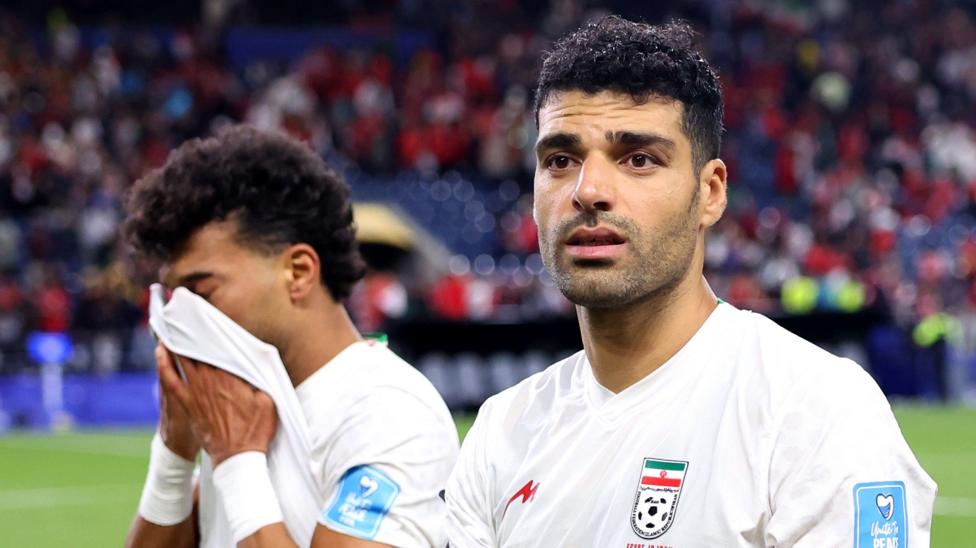
Iran's World Cup Bogey: A History Written in Stoppage Time
Twice on the brink of the knockout stages, twice denied in the dying moments. Iran's World Cup history is a masterclass in sporting cruelty.
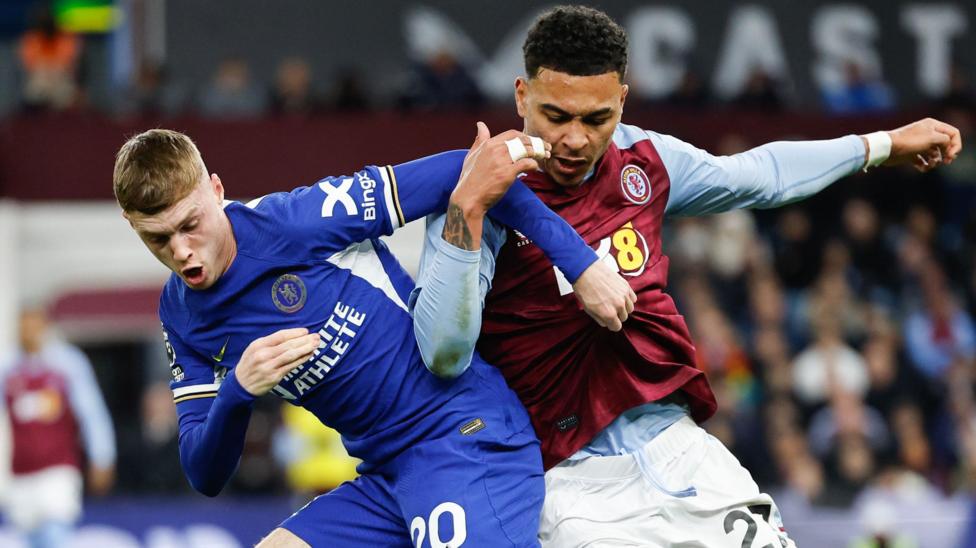
Why Rogers and Palmer Can Coexist Under Alonso at Chelsea
Alonso's positional system offers the structural framework to pair two elite attacking midfielders without sacrificing defensive balance.
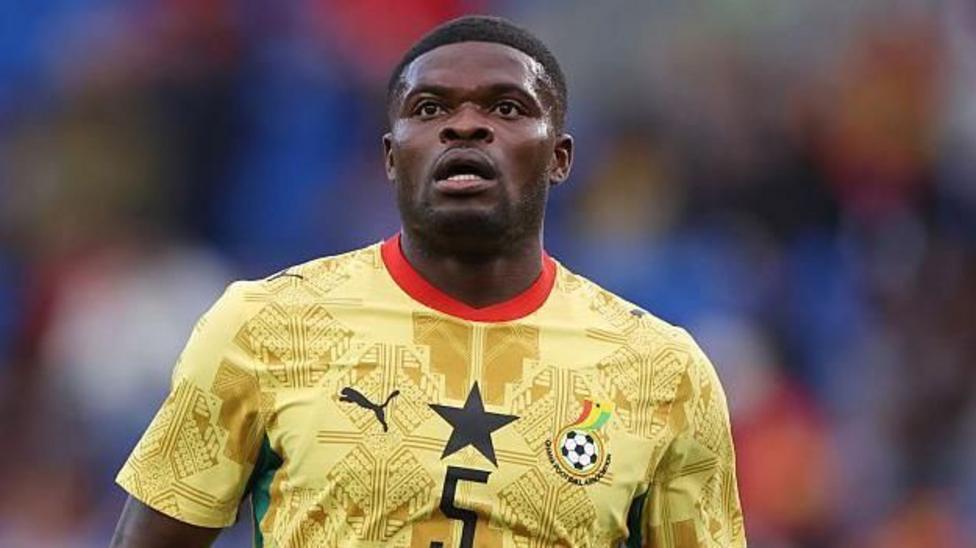
Partey Ready for England After Canada Visa Chaos Derails World Cup Opener
Thomas Partey declares himself fit to face England after a bureaucratic nightmare denied him entry to Canada for Ghana's World Cup opener.