Spain Survive Belgium Scare, Lammens Left to Rue Late Lapse
Spain snatched a late winner against Belgium to reach the World Cup semis, but the narrative belongs to a costly late mistake.
Tournament football is rarely a morality play, but occasionally a match produces an outcome that feels genuinely cruel. When the ball hit the back of the net against Belgium, Spain's progression was secured — but the narrative belonged entirely to the defeated. A late mistake poisoned an otherwise outstanding performance from Belgium's goalkeeper, Nicky Lammens. It is the kind of error that defines a career and haunts a tournament, however unfair that may be.
The 81st minute proved to be the dividing line between glory and heartbreak. Until that moment, Belgium had executed a gameplan that neutralized one of the tournament's most dangerous attacking units. The match finished with Spain advancing to the semi-finals, but the scoreline only tells a fraction of the story.
The Anatomy of a Heartbreak
Belgium arrived at this quarter-final as undeniable underdogs. Spain's technical superiority has been a hallmark of their World Cup campaign, built on a possession framework that suffocates opponents and creates chances through sustained pressure. Against that backdrop, Belgium's approach was pragmatic to the extreme: absorb, compress, and hope.
For 90 minutes and change, it worked beautifully. Belgium's defensive block maintained its discipline, with the backline holding a high line off the ball and dropping deep when Spain's midfielders looked to thread passes between the lines. Lammens was instrumental to this effort, marshaling his penalty area with authority and producing a string of saves that kept Spain at bay. His command of the box denied Spain's usual advantage from crosses and set-pieces.
Then came the moment. A loose ball. A miscommunication. Perhaps a momentary lapse in concentration after spending so long in survival mode. Lammens' mistake — the specifics of which will be replayed endlessly in Belgian football coverage for years to come — handed Spain the breakthrough they had struggled to manufacture through open play. What made this loss so particularly agonising for Belgium was not just that they conceded late, but that the goal resulted from a self-inflicted wound rather than Spanish brilliance.
It is the cruelest irony ofournament football that your best performance can be undone by your worst moment.
Statistical Context: Belgium's Defensive Masterclass
The numbers underscore just how effective Belgium's defensive structure was before the late collapse. While possession figures heavily favored Spain — as expected — the metric of real danger told a different story.
- Spain受限于空间: their shot count in the first 75 minutes remained disproportionately low given their territorial dominance
- Belgium 注册了 0.78 xG 来自有限的反击机会
- 托尔加's high block recorded 14 interceptions 在西班牙组织阶段
- 拉门斯完成 6 saves, 清空 3 crosses 并指挥他的禁区果断
The expected goals (xG) data is particularly revealing. Spain's tally from open play remained modest for 88 minutes, suggesting Belgium's defensive shape was achieving its intended effect: forcing Spain into low-probability chances from wide areas while protecting the central channels. Spain's possessions were largely sterile — recycled across the pitch without penetration. That statistical context is what makes Lammens' mistake so devastating. The defensive architecture was functioning as designed until human error intervened.
Spain's Semi-Final Prospects
Spain's advance masks an uncomfortable truth: for significant stretches of this quarter-final, they struggled to generate controlled, incisive attacking play. Against a well-drilled Belgian block, Spain's midfield metronomes were forced into lateral passing patterns before the late breakthrough.
进入半决赛,西班牙面临着更高的考验。他们下一场对手的质量更有能力惩罚比利时在此阶段能够忍受的效率低下的时期。依赖个人闪光或后期突破是危险的;结构化的组织必须更锐利。
西班牙迄今为止锦标赛的实际数据显示了他们的一致性,但这场四分之一决赛揭露了一个潜在漏洞:当对手与他们拥有同等数量的球员并放弃控球权时,他们的攻击流可能会变停滞。下一个对手不会那么被动。
结论: 西班牙进入了应该进入的阶段,但他们的四分之一决赛表现引发了关于他们能否在更有野心和质量的对手面前晋级的问题。
The Lammens Question
The post-match discourse will inevitably fixate on Lammens' mistake, but reducing Belgium's performance to singular errors is intellectually lazy. Belgium's gameplan was executed with discipline for 88 minutes against one of the tournament's best sides. Their defensive structure forced Spain into frustration, and their goalkeeper was a central reason Spain remained goalless for so long.
reputational damage of a high-profile mistake is disproportionate to its actual significance. Lammens' error did not lose Belgium the match — a single goal would have been recoverable. What cost Belgium was the timing: a late concession with insufficient time to respond. Tournament football punishes mistakes severely, and the margins are unforgiving.
For Belgium, this tournament will be remembered as a missed opportunity forged through no fault beyond the game's inherent cruelty. Their campaign featured moments of genuine quality, a tactical flexibility that allowed them to compete with technically superior opponents, and a defensive organization that frustrated Spain for the majority of this quarter-final. To exit on the back of a single mistake feels inadequate recognition for 88 minutes of excellence.
调查结果: 拉门斯将不得不忍受成为比利时出局的代表形象,但他的表现值得比一个错误时刻更细致的评价。比利时踢了一场锦标赛级别的防守比赛并差之毫厘。
Looking Ahead: England vs Norway Looms
With Spain's semi-final place confirmed, attention turns to the other side of the draw and a heavyweight clash: England versus Norway. The winner faces a Spanish side that has shown both title-winning resilience and tactical vulnerabilities. The England-Norway dynamic will determine the semi-final's narrative, with both sides carrying distinct threat profiles.
England's path to this stage has been built on defensive solidity and efficient attacking transitions. Norway brings a contrasting profile: direct, powerful, and capable of punishing any defensive lapses with clinical finish. Their match promises to be a fascinating tactical contrast between England's structured approach and Norway's more aggressive verticality.
For the winner, a semi-final against Spain presents a specific challenge: how to break down a side that excels in possession but showed against Belgium that they can be frustrated by disciplined defensive shapes. England's midfield control could neutralize Spain's passing rhythms, while Norway's directness might exploit the spaces Spain leave when committing numbers forward.
底部线: 西班牙的存在感确保了锦标赛的最终篇章将涉及足球共识中最具技术天赋的球队之一。他们是否升级为锦标赛的最爱,还是停留在kicking click的竞争者,取决于他们的半决赛显示锐利和锐度,这在对比利时的胜利中明显缺失。
Tournament Football's Margin For Error
这个世界杯四分之一决赛强调了锦标赛足球中错误与进步之间的微薄差距。比利时是更好的球队卢克 88 minutes — 更具纪律性,更具组织性,并在防守端更加坚决。西班牙是幸运的获胜者,不是优越者。
这就是锦标赛足球的讲故事机制:一个错误变成了叙事;88分钟的卓越变成了脚注。比利时回家了,其表现值得更好的命运。西班牙前进,知道他们必须找到另一个水平来赢取它。
Editorial Integrity
This is an original SportPulse article written by our editorial team. All content is independently researched, written, and reviewed by our writers and editors before publication. We do not publish copied, aggregated, or syndicated content.
SportPulse is committed to original sports journalism. Read our editorial policy or contact us with any questions.
More Like This
All football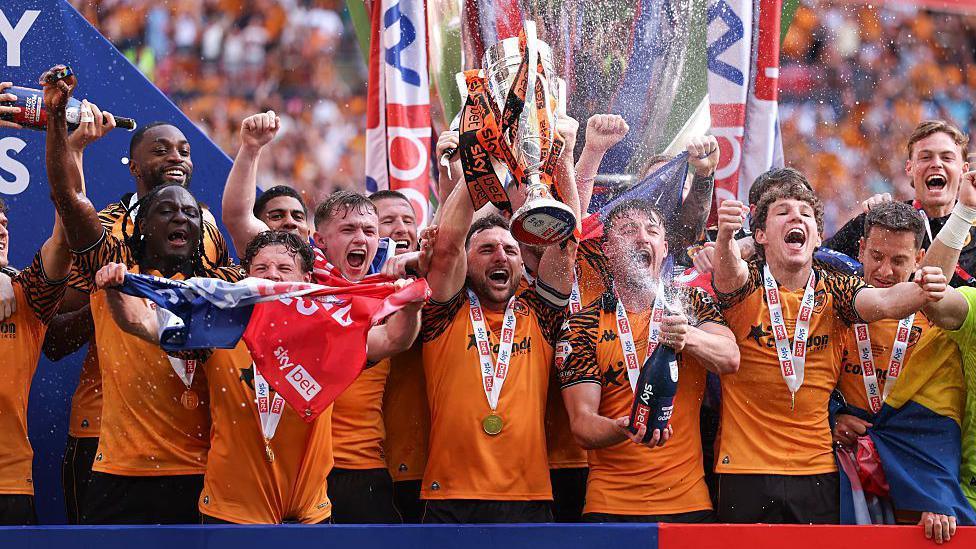
Hull's Premier League Dream Threatened by PSR Nightmare
Promotion to the Premier League comes with a brutal ultimatum: sell stars by month's end or face a points deduction.

Norway's Golden Generation Finally Delivers as Brazil Reunion Looms
Solbakken's Norway have surpassed the 1998 heroes just in time for a World Cup reunion with Brazil that stops a nation in its tracks.
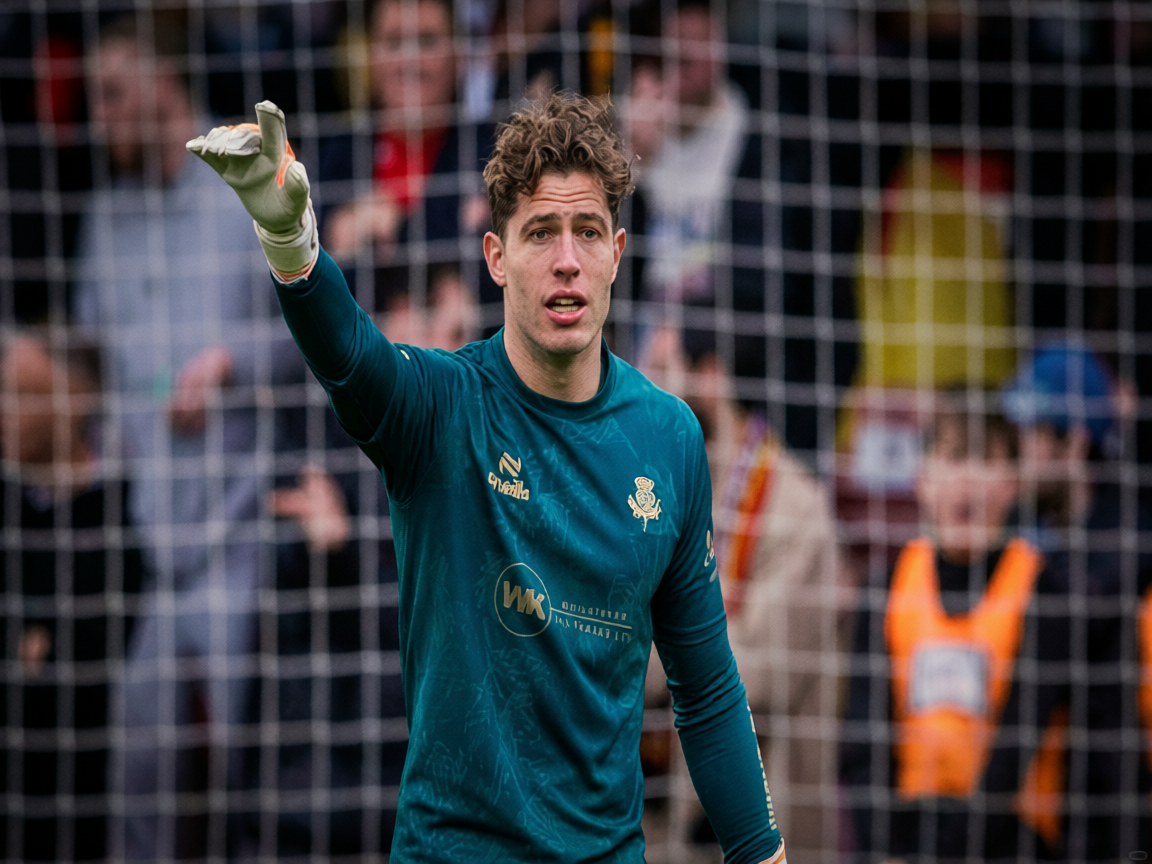
From Maryhill to the Keepmoat: Clarke's Strange Celtic Detour
Josh Clarke's loan-to-permanent switch to Doncaster exposes the modern goalkeeper loan labyrinth and Celtic's crowded pipeline.