Rosenior Set for Paris FC as English Coach Takes French Gamble
Former Hull City boss Liam Rosenior eyes a fresh start in French football with Paris FC on a two-year deal.
The Comeback
Liam Rosenior is closing in on a return to management with Paris FC, agreeing terms on a two-year contract that includes the option of a further season. The former Hull City boss has been out of work since his dismissal from the MKM Stadium in May 2024, and he is now poised to restart his coaching career in an unexpected destination: the French second division.
The move represents one of the boldest career pivots by an English manager in recent memory. Rosenior, still only 40, built his reputation in the Championship with an attractive, possession-based style at Hull. Now he takes that blueprint across the Channel to a club with serious ambition but a very different footballing culture.
Paris FC are not Paris Saint-Germain. This is a club that has lived in the shadow of its glittering city rival for decades, playing at the modest Stade Charléty in the 13th arrondissement. But recent investment has injected fresh energy into the project, and the appointment of a high-profile young English coach signals intent.
Who Is Liam Rosenior?
For those unfamiliar beyond English football's top two tiers, Rosenior's story is worth knowing. Born in 1984, he carved out a solid professional career as a full-back, making over 300 appearances across spells at Fulham, Reading, Hull City, and Brighton. He was never a star, but he was always smart. Teammates and coaches consistently noted his tactical intelligence long before he picked up a whistle.
That brain for the game translated naturally into coaching. He worked under Graham Potter at Brighton, absorbing the methods that would later make Potter one of the most sought-after coaches in English football. When Hull City came calling in 2022, Rosenior stepped into his first senior role with a clear identity: build from the back, press with structure, develop young players.
The results were impressive. Hull were competitive in the Championship, playing a brand of football that drew widespread praise from analysts and opposition managers alike. Rosenior earned a reputation as one of the most progressive coaches outside the Premier League.
But progress and results don't always align. Hull's form dipped, and the board pulled the trigger. The sacking stung. Rosenior had poured everything into that project, and being cut loose felt premature to many observers who believed he deserved more time.
Why Paris FC?
The French second division might seem like a strange landing spot for a coach of Rosenior's profile, but the logic holds up under scrutiny.
Paris FC have been on an upward trajectory. Backed by new ownership with long-term plans, the club has ambitions that extend beyond Ligue 2 survival. They want promotion. They want to establish themselves as a genuine Parisian football institution, not just a footnote in the PSG era.
For Rosenior, the appeal is threefold. First, there is the challenge itself: proving his methods work in a different footballing environment, with different player profiles and tactical expectations. French football demands a physicality and directness that the Championship also thrives on, but the technical standards and developmental philosophies differ significantly.
Second, the job offers autonomy. At Paris FC, Rosenior would likely have more control over recruitment and squad building than he did at Hull. Smaller clubs in France often operate with leaner structures, giving the head coach a bigger voice in football decisions.
Third, and perhaps most importantly, it is a pathway. If Rosenior succeeds at Paris FC, he becomes a genuinely rare commodity: an English coach with proven experience abroad. That distinction carries weight in an increasingly globalized managerial market.
The English Coach Abroad Problem
England has exported players by the hundreds to top European leagues. It has exported very few coaches. The reasons are well-documented: insular thinking, an overreliance on the domestic pathway, and a lingering cultural suspicion that English tactical ideas don't translate.
The exceptions only prove the rule. Graham Potter struggled at Chelsea and has yet to rebuild his reputation abroad. Eddie Howe has been linked with overseas jobs but never made the leap. Rob Edwards, Vincent Kompany, and others have either stayed domestic or returned quickly.
Rosenior has the chance to change that narrative. A successful stint in France would open doors that have historically been closed to English coaches. It would also challenge the assumption that the Championship-to-Premier-League pipeline is the only viable route for ambitious young managers.
The French system is different. Player development is prioritized differently. The media environment is less toxic but no less demanding. The supporters at Paris FC will expect intensity and identity, two things Rosenior has consistently delivered.
Inside the Deal
The contract structure tells its own story. A two-year deal with a third-year option gives both sides flexibility. Paris FC get a coach committed to a medium-term project without locking themselves into a lengthy obligation if things go wrong. Rosenior gets a runway to implement his ideas without the instant pressure of a one-year prove-it deal.
The negotiation is understood to have progressed quickly. Rosenior has been linked with several Championship vacancies since leaving Hull, but none materialized into concrete offers. Paris FC moved decisively, and the former Brighton coach responded to their ambition.
There is a scene that captures what Rosenior can expect when he walks into the Charléty dressing room for the first time. The stadium holds just under 20,000 spectators. The facilities are functional rather than luxurious. The squad is a mix of experienced Ligue 2 professionals and hungry young players from the club's academy. This is not a glamour job. It is a building job. And that is precisely what has drawn Rosenior in.
Tactical Fit
Rosenior's preferred system at Hull was built on a back three with wing-backs providing width and midfielders rotating to create numerical advantages in possession. The approach demanded technically proficient defenders comfortable stepping into midfield, and wide players capable of covering the full length of the pitch.
French football has historically been more receptive to back-three systems than English football. Clubs in Ligue 1 and Ligue 2 have frequently deployed variations of 3-4-3 and 3-5-2 formations, and the player pool includes athletes well-suited to the demands of wing-back play.
The question is whether Rosenior can adapt his principles to the specific constraints of Paris FC's squad. At Hull, he had the luxury of players like Jaden Philogene and Ozan Tufan who could execute his vision at a high level. At Paris FC, the talent ceiling is lower, and the margin for error is thinner.
But that is exactly what makes this appointment interesting. The best coaches prove themselves by maximizing resources, not by inheriting squads that would succeed under almost any system. If Rosenior can get Paris FC playing his brand of football with the players available, his reputation will grow far beyond what the Championship alone could offer.
What It Means
Rosenior's move to Paris FC matters on multiple levels.
For the man himself, it is a chance to rebuild after the frustration of his Hull dismissal and to prove that his tactical identity is portable across borders. The two-year commitment suggests genuine belief on both sides that this is more than a stopgap.
For Paris FC, it is a statement of intent. Hiring a coach of Rosenior's profile tells the rest of Ligue 2 that this club is thinking beyond survival. If promotion is the goal, this appointment signals serious ambition.
For English coaching more broadly, it is a test case. If Rosenior thrives in France, he breaks a barrier that has stood for too long. If he struggles, it reinforces the uncomfortable truth that English coaches remain prisoners of their domestic ecosystem.
The contract is agreed. The project awaits. Now Rosenior has to prove that his ideas travel.
Editorial Integrity
This is an original SportPulse article written by our editorial team. All content is independently researched, written, and reviewed by our writers and editors before publication. We do not publish copied, aggregated, or syndicated content.
SportPulse is committed to original sports journalism. Read our editorial policy or contact us with any questions.
More Like This
All football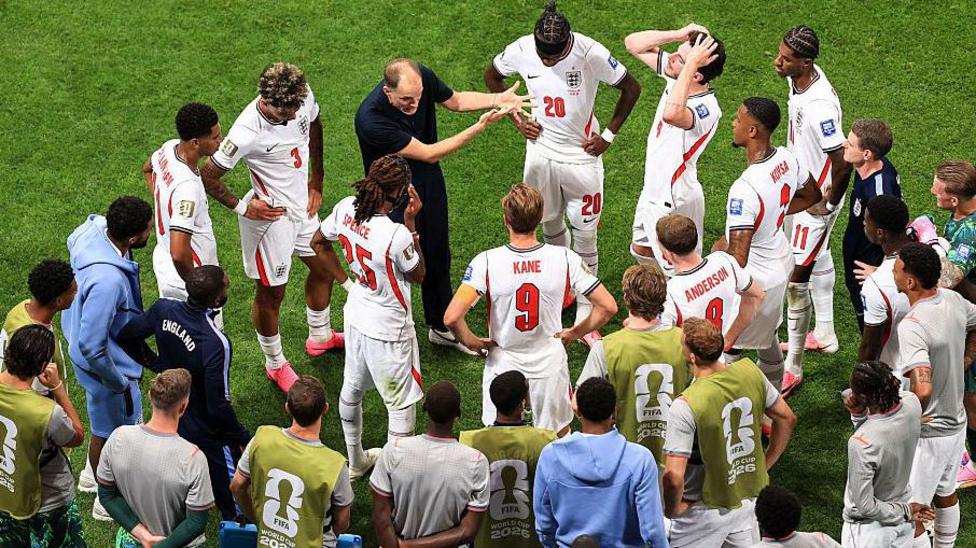
Hydration Breaks or Tactical Masterstrokes? Inside England's Comeback
England rallied past DR Congo to reach the last 16, but did scheduled cooling breaks rewrite the script of the match?
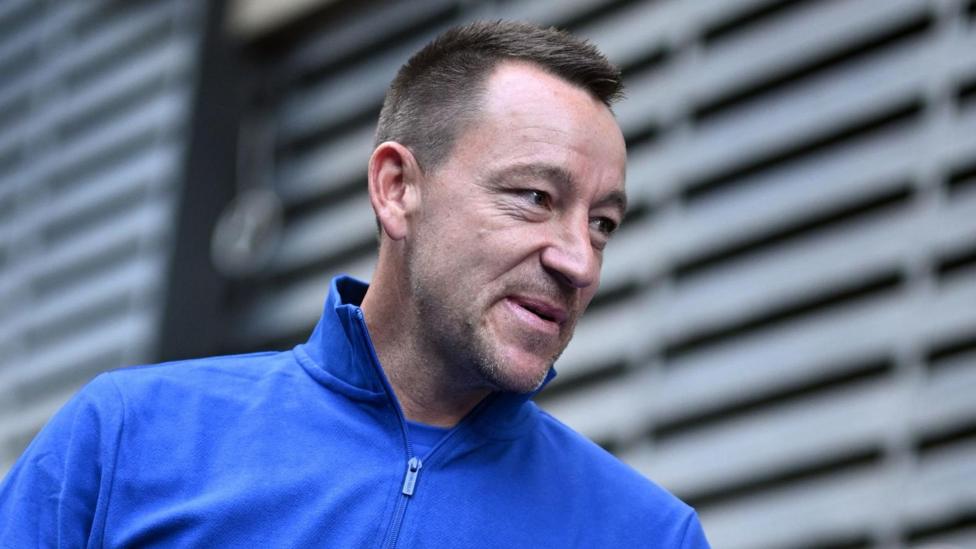
The Terry Dream Ends: Why Colchester’s Takeover Failed
John Terry’s bid to rescue Colchester United collapses, exposing the brutal economics of EFL ownership.
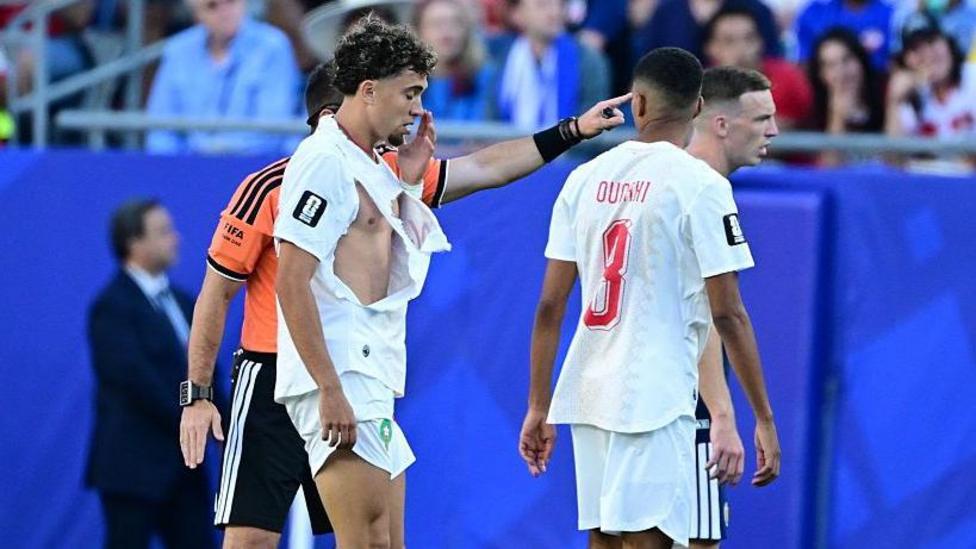
Pumas World Cup Shirt Crisis Exposes Fabric Flaws
Four Puma shirt tears at the World Cup reveal a dangerous intersection of lightweight fabric innovation and escalating match intensity.