Rashford’s Return Forces United’s Tactical Reckoning
Marcus Rashford’s imminent return to training throws United’s attacking shape into question.
Marcus Rashford Returns to Old Trafford
Marcus Rashford is expected to rejoin Manchester United’s training group in the coming days, reigniting a debate that has no simple answer. The question is not whether he should come back, but what his return reveals about how Erik ten Hag intends to organise his attack next season.
Rashford’s contract runs through 2027, giving United time to manage his role or plan a sale. His last competitive season saw him score 15 goals across all competitions, a number that sits below the output expected of a player bearing his profile. The tactical conversation around him has shifted from whether he can start to whether he can fit into a system that demands specific movements from wide players.
The Formation Question
United have floated between a 4-3-3 and a 4-2-3-1 under Ten Hag, with the same underlying demand: wide attackers must contribute to pressing triggers and inverted runs that create central overloads. Rashford’s natural tendency is to hold width and look to drive at defenders, a style that can stretch opposition back lines but also leaves midfielders isolated when possession is lost.
In a 4-3-3, the front three are expected to press in a coordinated unit. Rashford’s pressing map has shown variance, with some games displaying sharp triggers and others revealing a passive stance that allows opposing full-backs to bypass the first line. In a 4-2-3-1, the number ten role requires more link-up play and defensive responsibility in the half-spaces, a space Rashford has occasionally occupied but not consistently dominated.
What His Return Signals
The fact that Rashford is returning to training rather than being sidelined for discussions indicates Ten Hag’s preference to integrate him into the existing structure. That structure prioritises positional interchange and vertical passing lanes, not wide play that stays wide.
Rashford’s value lies in his ability to exploit space behind defensive lines, a trait that remains relevant against teams that sit deep. However, United’s recent matches have shown a tendency to break down low blocks with quick combinations rather than individual dribbles from the flanks. If Ten Hag wants Rashford to start, he will need to adapt his runs to create space for teammates, not just take on his marker.
The Tactical Cost of Inaction
Every day Rashford trains without a clear role definition adds ambiguity to United’s pre-season planning. Young attackers like Antony and Garnacho have forced the coaching staff to consider alternative profiles: players who press from the front, cut inside early, and link with midfielders in tight spaces. Rashford’s skill set does not align neatly with that profile.
The club’s scouting department has reportedly identified a forward who combines width with central mobility, a player who can operate as a false nine or a wide inside-forward. That target remains abstract until Rashford’s involvement is decided. If United pursue such a signing, Rashford’s return to training becomes a transitional period rather than a statement of intent.
What to Watch Next
The first training session with Rashford present will reveal how Ten Hag positions him in small-sided games. If he is deployed as a central striker or in a free role behind a main forward, it suggests a tactical adjustment. If he is kept wide with strict defensive instructions, it indicates a system-first approach that leaves Rashford’s best attributes on the periphery.
United’s pre-season fixtures will provide the real test. Matches against opponents who press high will expose whether Rashford’s movement can create numerical advantages in midfield. Games against low blocks will show whether he can still be a goal threat from open play.
The debate over Rashford’s place at United is not about loyalty or history. It is about whether a player of his profile can thrive in a system that values collective pressing and positional flexibility. His return to training is the first step in answering that question.
“We need players who understand the system first, then express themselves within it. Marcus is part of that process.” — Erik ten Hag, press conference.
United’s attack will be defined by how they balance individual quality with tactical cohesion. Rashford’s return adds a familiar face to an evolving puzzle.
Editorial Integrity
This is an original SportPulse article written by our editorial team. All content is independently researched, written, and reviewed by our writers and editors before publication. We do not publish copied, aggregated, or syndicated content.
SportPulse is committed to original sports journalism. Read our editorial policy or contact us with any questions.
More Like This
All football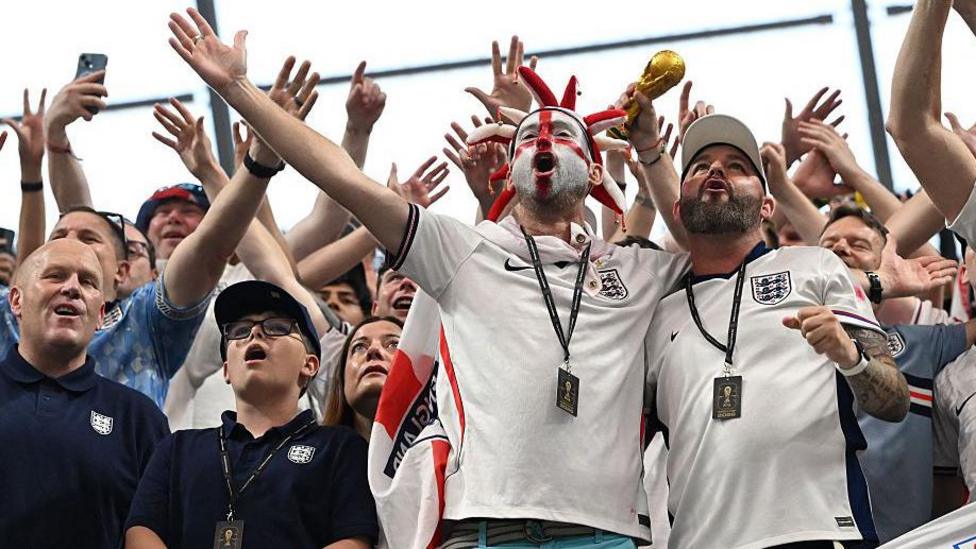
£2,600 Per Ticket: England Fans Priced Out of World Cup Last 16
FIFA's resale platform is charging England supporters a minimum of £2,600 for the Mexico last-16 clash.
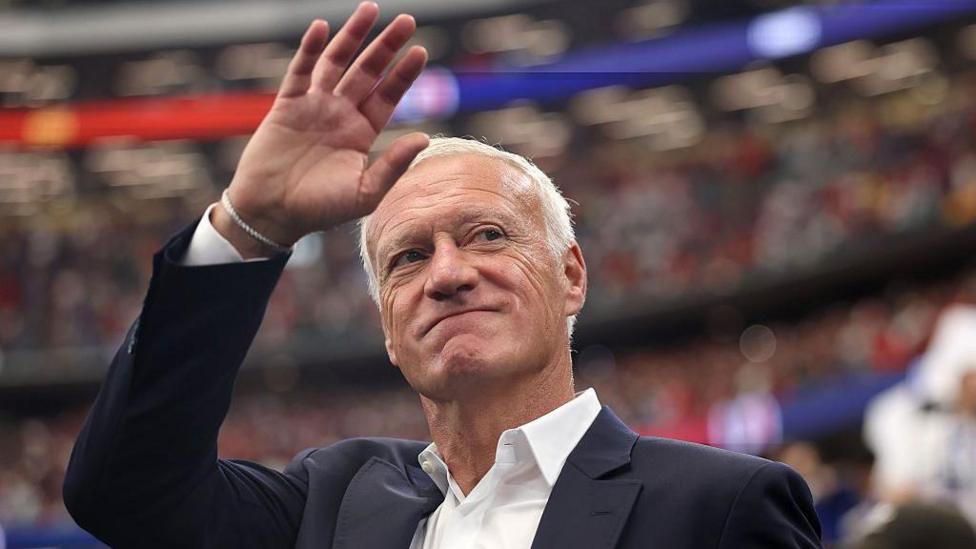
The Deschamps Era Ends Not in Glory but in Consolidation
France's World Cup ends in a third-place play-off, a fitting symbol of Deschamps' later years: pragmatic, joyless, effective.
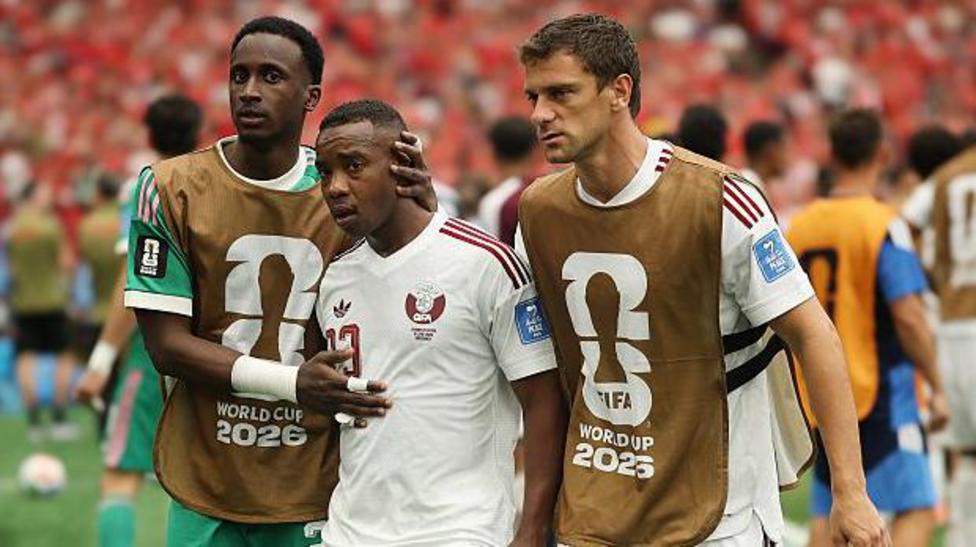
Madibo Ban Exposes FIFA's Disciplinary Inconsistency
Assim Madibo's five-match ban for breaking Ismael Kone's leg highlights the persistent inadequacy of FIFA's disciplinary framework.