Pochettino's US Soccer Return Gambles the Next Cycle
Another four years with Mauricio Pochettino gives the US a coach, not a strategy. The tactical risk is understated.
The Tactical Bet No One Is Questioning
US Soccer has made a decision that looks stabilizing on paper and carries structural risk underneath. Mauricio Pochettino is being given another World Cup cycle as head coach, a move that trades uncertainty for a known quantity. The known quantity is a manager whose philosophy is legible across every club he has coached, from Sevilla to Barcelona, from Tottenham to Chelsea.
The accent still carries over when he speaks English. The press conferences are charming. The tactics are less charming when you examine the architecture.
What Pochettino Brings, What He Leaves Behind
His system is built on a 4-2-3-1 or a 4-3-3 that functions as a double pivot pressing structure. The central defensive midfielders sit deep while the fullbacks invert or push high. The front five operate in a compact horizontal block, compressing space between the lines. It worked reasonably well for England with 2022 World Cup third-place finishes and for Chelsea during his short tenure.
What it does not produce is adaptability. When a match breaks open, Pochettino's side tends to collapse into two rigid phases: the press or the low block. There is rarely a third option. Against teams that disrupt the build-up with a mid-block squeeze, the American squad has sometimes looked like a side that has rehearsed the system but not the alternatives.
The Expansion Risk
Roster construction for the next cycle depends on when you extend the timeline. The 2026 World Cup is home soil and a expanded format, but the 2030 cycle is three tournaments away. Signing Pochettino now locks US Soccer into a model that was already tested and found limited in moments that mattered most.
The cost of that lock-in is not financial alone. It is tactical. The US Men's National Team needs a staff capable of adjusting formations mid-match, not just rotating players within a fixed structure. Pochettino's teams have historically struggled to shift between 4-3-3 and a back three when trailing, and they have rarely shown the willingness to abandon possession as a value in itself.
The Alternative Lens
Several European programs have navigated this exact inflection point. Japan adopted a flexible 3-4-2-1 under Hajime Moriyasu that shifted fluidly between phases. Germany experimented with multiple shapes before settling on a coherent identity under Julian Nagelsmann. The difference is not the coach's pedigree. It is the willingness to recalibrate.
The US has neither the depth of options nor the institutional patience to trial and error at the senior level. Extending Pochettino is a bet that familiarity will substitute for evolution. It is a bet that his accent and his smile will smooth over the same structural questions that appeared against Brazil in the 2022 quarterfinal and against Spain in the 2023 Nations League final.
What Comes Next
The next cycle begins with the 2026 tournament. The tactical test will come in knockout matches against South American or European sides that press the build-out differently than CONCACAF opponents. Pochettino's approach has worked against weaker opposition. The question is whether it can survive against teams that exploit the space behind inverted fullbacks or overload the half-spaces between the double pivot.
US Soccer has chosen a coach. The system he brings is real. Whether it is sufficient remains the unanswered question.
Editorial Integrity
This is an original SportPulse article written by our editorial team. All content is independently researched, written, and reviewed by our writers and editors before publication. We do not publish copied, aggregated, or syndicated content.
SportPulse is committed to original sports journalism. Read our editorial policy or contact us with any questions.
More Like This
All football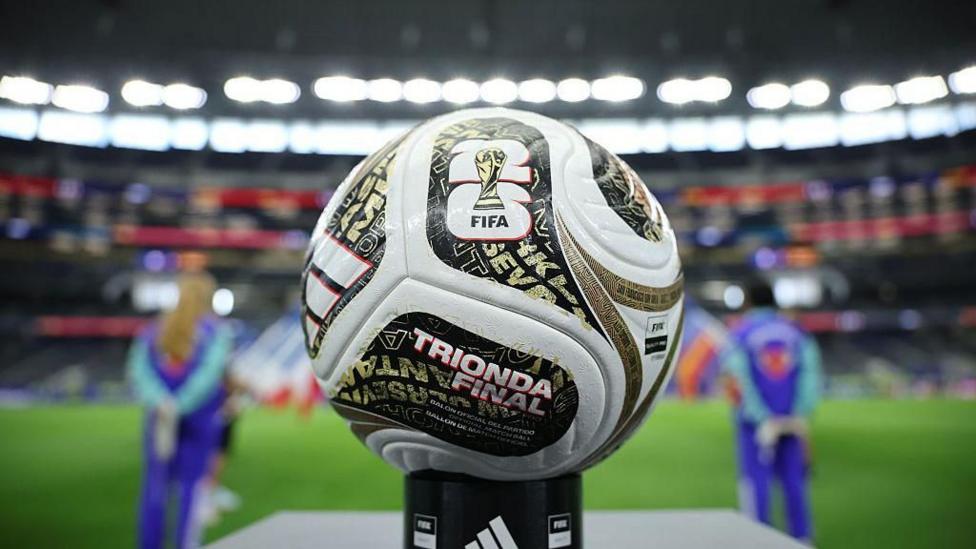
FIFA's Semi-Final Ball Switch: Tradition Meets Tactical Reality
Why FIFA swaps the match ball at the World Cup semi-final stage and what it reveals about modern football's relationship with equipment, psychology, and competitive integrity.
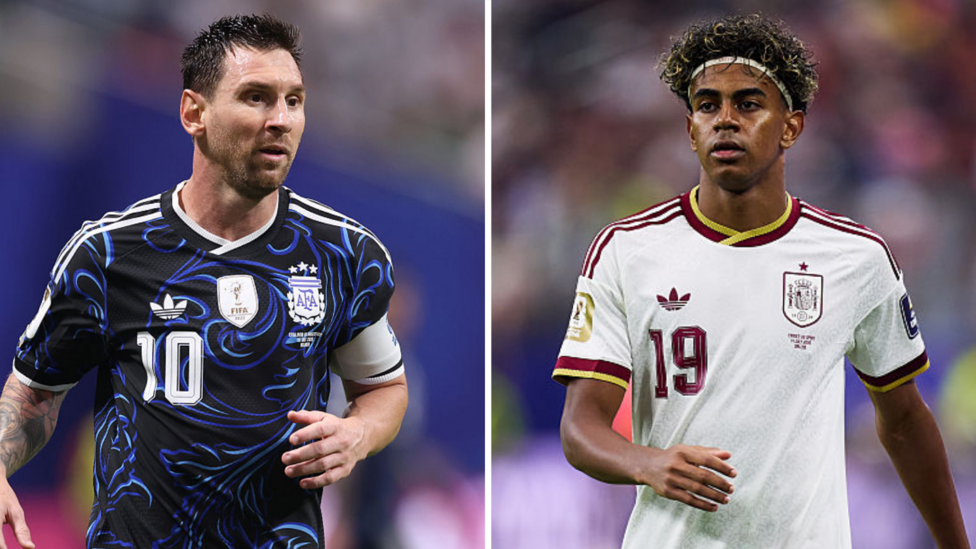
Spain vs Argentina: The Numbers That Define a World Cup Final
European champions Spain meet World Cup holders Argentina in a final built on tactical mastery and relentless winning habits.

Scotland Cracks Down: Courts Empowered to Tackle Pitch Invasions and Pyrotechnics
Empowering Scottish courts to issue tougher football banning orders addresses pitch invasions and pyrotechnic use head-on.