O'Neill Returns to Parkhead: What a Full Campaign Under the Northern Irishman Guarantees
Martin O'Neill promises to drive Celtic forward without leaning on nostalgia. His track record suggests intensity, not sentiment, awaits.
Martin O'Neill's return to Celtic has been framed by a vow that cuts in two directions. He promised to "drive forward together" and, just as pointedly, "not rest on past success." The first half is management-speak. The second half is the sentence doing the work, because Celtic supporters have heard enough about the past to fill a museum wing.
The O'Neill who arrives now is not the O'Neill who turned Parkhead into a fortress between 2000 and 2005. That manager inherited a squad that had finished second behind Rangers and transformed it into a Treble winner in his first season. The current Celtic side needs recalibration for different reasons: financial inequality at Champions League level, domestic pressure from an ascending Rangers, and a recruitment model that prizes resale value over sustained dominance.
O'Neill's Actual Method
The Northern Irishman's methodology across spells at Celtic, Leicester City, Aston Villa, and the Republic of Ireland has been remarkably consistent. O'Neill teams are not positional chess puzzles. They are built on aggressive without-the-ball intensity, verticality in transition, and a willingness to let individuals solve problems in the final third.
The tactical fingerprint is recognizable across two decades. A midfield base that presses high and commits fouls early to disrupt rhythm. Wing play prioritized over central possession circulation, because O'Neill has never been a coach who demands 60% possession to feel comfortable. Defensive shape organized in a mid-block, springing forward in numbers rather than building patiently from the back. Set-piece drilling treated as a primary scoring method, not a situational advantage.
None of this requires Celtic to abandon their technical upgrades of recent windows. It requires them to add a layer of pragmatism that has been visible intermittently.
Early Campaign Chaos and Simplified Briefs
O'Neill's history suggests the first two months will be chaotic. His Leicester side in 2000 produced results that swung wildly before settling. His Republic of Ireland tenure followed a similar arc: electric early results, a tendency to simplify tactical instructions to a fault, and then a reliance on emotional momentum to carry stretches of the calendar.
Celtic's squad will respond to clarity. Multiple managers in recent cycles have asked the dressing room to execute layered tactical instructions. O'Neill will simplify the brief. He trusts players who take responsibility in moments, not those who wait for structural patterns to create chances. That shift in demand matches a Celtic squad with quality attackers whose instincts have been coached rather than released.
Rangers and the Derby Fixtures
The domestic title race frames everything. The Scottish Premiership has become a two-club equation where goal difference across the six derby fixtures often determines the trophy. O'Neill has a strong historical record in Glasgow derbies, and his teams historically raise their level against possession-dominant opponents. If Rangers continue to control territory in matches, O'Neill's transition blueprint targets exactly the vulnerability such a style produces: gaps behind advanced fullbacks, slow defensive recovery against vertical runners.
The question is whether Celtic's current center-back pairing can hold a high line without the ball. That will define whether O'Neill returns Celtic to a pressing identity or accepts a deeper defensive posture to protect the back four.
Breaking the Low Block
The full-season outlook under O'Neill is less about tactical innovation and more about restored edge. Celtic have won domestic titles with efficiency but have occasionally lacked the emotional intensity that derbies and European nights at Parkhead demand. O'Neill supplies that intensity in surplus. His vow to avoid sentimentality is the correct read of the situation. The squad does not need a revival of past methods. It needs a manager who treats every match as a problem to be solved through effort, structure on dead balls, and tactical patience.
The real risk is not regression. It is stubbornness. O'Neill's later career chapters have featured rigid refusal to adapt to opponents who sat deep against his transition game. The Scottish Premiership presents that test weekly against clubs who arrive at Celtic Park with a back five and no ambition beyond survival. Breaking those defences requires a different toolkit than springing counters.
A full season under O'Neill will deliver a title challenge. The ceiling depends on whether his simplified approach can solve the low block as effectively as it frightens the elite.
Editorial Integrity
This is an original SportPulse article written by our editorial team. All content is independently researched, written, and reviewed by our writers and editors before publication. We do not publish copied, aggregated, or syndicated content.
SportPulse is committed to original sports journalism. Read our editorial policy or contact us with any questions.
More Like This
All football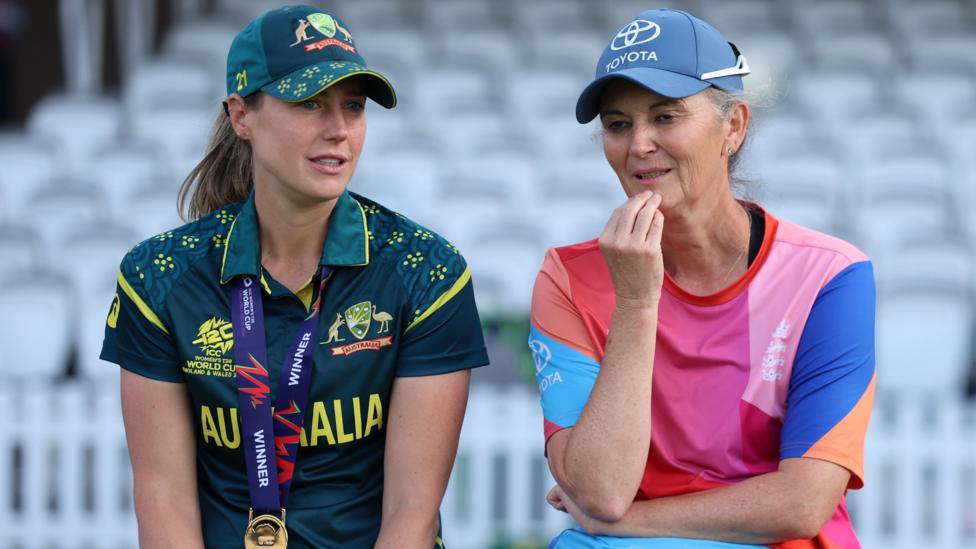
England's Ashes Alarm Bell Rings After T20 Heartbreak
Charlotte Edwards faces a tactical reckoning as England's T20 final loss exposes vulnerabilities ahead of the Ashes.

Salah Sparks Historic Egypt Comeback For First World Cup Win
Mohamed Salah inspired Egypt's first-ever World Cup victory, overturning a deficit to beat New Zealand 3-1 and take control of Group G.

Summerville Sweepstakes Ignite as Fulham Crash the Party
Fulham gatecrash the Summerville race, Chelsea and United circle, and Real Madrid scramble to deny Federico Fernández contact.