Norrie Finds His Rhythm in the Desert,Dispatches Duckworth in Straight Sets
A clean-night's work in Baja California sees Cameron Norrie through to the last eight, the kind of week he needs to rediscover his footing.
The Pacific breeze carries salt and the faint hum of a crowd that sits close enough to hear the ball clip the tape. This is the Los Cabos Open, a tournament that sits in the late-summer hard-court swing, far from the majors but close enough to matter. Cameron Norrie, a player whose identity was forged in these kinds of conditions, took the court against James Duckworth with a quarter-final place at stake and dispatched the Australian in straight sets.
A Workmanlike Performance in Baja California
There is a particular texture to Norrie's game when it functions as designed. The lefty forehand, struck with that distinctive hitch and heavy topspin, pulls opponents wide. The backhand, flat and precise, redirects pace down the line. Against Duckworth, a grinder of considerable experience who has spent years navigating the lower tiers and the qualifying trenches of the ATP Tour, Norrie produced exactly the kind of victory his ranking demands: efficient, controlled, absent of prolonged distress.
Su
den sets in professional tennis rarely tell the full story of a match, but they do reveal something about the winner's capacity to win the moments that swing a contest. Norrie secured his passage to the last eight without surrendering a set, a clean evening's work in the Mexican heat that keeps his week alive and narrows his focus toward the matches that will define whether this tournament becomes a genuine turning point or merely a respectable line on his season record.
The Arc of a Career in Flux
A year ago, Norrie occupied a different place in the sport's consciousness. Ranked inside the top 15, he carried the weight of being Britain's most reliable male player outside the Andy Murray constellation, a self-made talent who had turned collegiate pedigree at Texas Christian University into a top-tier professional career through sheer mechanical repetition and tactical discipline.
The trajectory since then has not collapsed so much as flattened. Norrie's ranking has drifted. The deep runs at the biggest events, the kind that marked his 2022 Wimbledon semi-final appearance, havebecome less frequent. There is no single injury or catastrophic loss to point to, only the slow, grinding reality of a sport where standing still means sliding backward.
A tournament like Los Cabos serves a specific purpose for a player in Norrie's position. The field is strong enough to offer legitimate competition but not so loaded that an early exit becomes catastrophic. A quarter-final berth represents progress, a building block, one more match in which to calibrate the forehand and test the legs under competitive pressure.
What the Quarter-Final Demands
Tennis rewards the player who can sustain a quality of ball-striking across consecutive days, and the next round will ask Norrie to find another level. Tournaments are built in stages, the early rounds about survival and the latter rounds about assertion. Having negotiated Duckworth without expending excessive energy, Norrie preserves the physical resources required to mount a more sustained challenge.
The hard courts of Baja California suit Norrie's foundational principles. He is not a player who overwhelms opponents with raw power or defies them with touch and ingenuity. He constructs points, extends rallies, forces errors through placement and persistence. When that system breaks down, the margins are thin. When it holds, as it did against Duckworth, the scoreboard reflects the methodical nature of the approach.
Los Cabos will not determine the trajectory of Norrie's remaining season, but it offers something concrete: a stage, a week, and a sequence of matches through which a player searching for his best version can build evidence that it still existsSomewhere in the competitive architecture. The quarter-final awaits, and with it, the opportunity to turn a competent performance into a statement of intent.
Editorial Integrity
This is an original SportPulse article written by our editorial team. All content is independently researched, written, and reviewed by our writers and editors before publication. We do not publish copied, aggregated, or syndicated content.
SportPulse is committed to original sports journalism. Read our editorial policy or contact us with any questions.
More Like This
All tennis
Championship Sunday: Wimbledon Day Seven Preview
Djokovic, Sabalenka, Sinner, and Gauff headline Championship Sunday at SW19 after Swiatek and Rybakina crashed out.
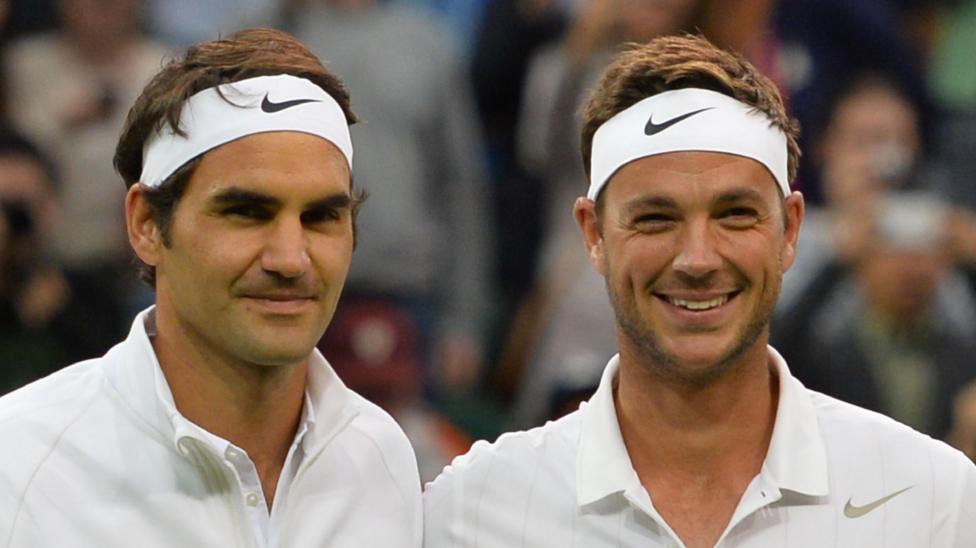
The Lob That Changed Everything: Marcus Willis Returns to Wimbledon on His Own Terms
Ten years after facing Federer on Centre Court, Marcus Willis is back at Wimbledon refusing to be a one-moment wonder.
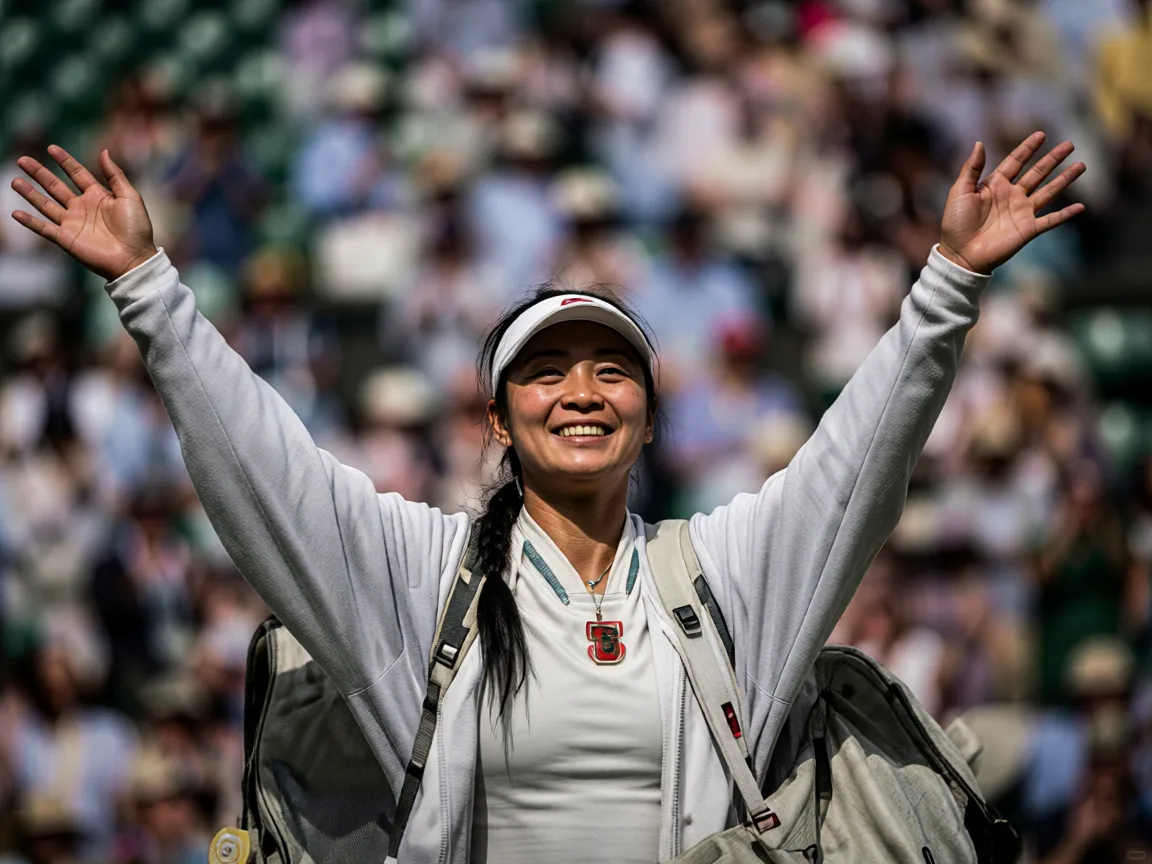
Alexandra Eala: The Giantkiller Carrying a Nation's Tennis Dreams
A 21-year-old Filipino sensation stunned Wimbledon and Iga Swiatek, but her star power already outpaces her trophy cabinet.