Norrie Breaks Six-Match Skid Against Kovacevic in Eastbourne
Cameron Norrie's straight-sets win over Aleksandar Kovacevic ends a losing streak that stretched back to April.
The ball landed long, and Cameron Norrie exhaled a breath he had been holding for three months. A straight-sets win over Aleksandar Kovacevic does not normally register as a season-defining result. For Norrie, right now, it is everything.
The British number two had not won a competitive match since April. A six-match losing streak had drained the parts of his tennis that once made him a fixture in the top 15: the forehand that attacks the baseline with relentless depth, the lefty crosscourt patterns that grind opponents into the dirt, the competitive identity built on volume and endurance.
Beating Kovacevic does not erase the slump. It does give Norrie something concrete to hold onto at a point in the season where match practice is scarce and every win counts.
From April Through the French Open
Norrie's last victory before Eastbourne came on the European clay swing. Since then, six consecutive defeats spread across surfaces against varying calibres of opponent. There was no single catastrophic loss to point to as the catalyst. It was a slow, grinding fade.
Norrie has never been the kind of player whose game disappears overnight. His career has been built on a baseline philosophy that rewards repetition over flash. He hits the same shots hundreds of times in practice, trusts them under pressure, and relies on physical endurance to outlast opponents in the moments that decide tight matches. When that system breaks, it rarely shatters. It stalls.
That is what the spring and early summer looked like. Close sets that swung the wrong way. Break points that went unconverted. Matches where the scoreline said straight sets but the quality gap was narrower than it appeared.
Why a Straight-Set Win Matters Here
Kovacevic, ranked outside the top 100, is not the kind of opponent that validates a comeback. But the mechanics of the win matter more than the name across the net. Norrie got through in straight sets, which means he did not spend three hours scratching out a result in three tight sets. He won efficiently. For a player whose confidence has taken a battering, efficiency is its own form of medicine.
Norrie has always leaned on rhythm. His best stretches came when he was playing week after week, building matches into his legs, sharpening his timing through pure volume. The losing streak broke that cycle. Each defeat meant an earlier exit, fewer matches, less time on court in competitive conditions. The negative feedback loop is familiar to any player who has slid down the rankings: you lose, you play less, you arrive at the next event undercooked, you lose again.
A win, even a modest one, interrupts that loop. Norrie now has a match on the board. He has a result to build from instead of a deficit to explain. The gap between his peak and current ranking tells the story of the past 18 months in blunt arithmetic: No. 8 in September 2022 compared with a current spot outside the top 40. Five ATP titles, an Indian Wells Masters 1000 crown from 2021, a Wimbledon semifinal run the following year, and roughly $12 million in career prize money. The consistency that built those numbers evaporated. The ranking reflected it.
Eastbourne Before Wimbledon
Eastbourne is a grass-court event played the week before Wimbledon, which means the field is full of players searching for form and match practice on a surface they only touch for six weeks a year. Grass is not Norrie's best surface statistically, but his flat forehand and lefty serve can be effective on it when he is striking the ball cleanly.
Norrie turns 29 in August. He is at the age where tennis careers enter their second act, where the physical attributes that carried a player through their mid-twenties start to require more maintenance and the ranking points require more deliberate defence.
The path back to the top 30 runs through weeks like this one. Beat the players you should beat. Stack wins in draws that are not loaded with top-10 talent. Gradually rebuild trust in the patterns and the shots that got him to No. 8 in the first place.
One win over Kovacevic does not mean the system is fixed. It means Norrie has a match to play tomorrow instead of an early flight home. After the spring he has endured, with Wimbledon arriving next week, that distinction is enough.
Editorial Integrity
This is an original SportPulse article written by our editorial team. All content is independently researched, written, and reviewed by our writers and editors before publication. We do not publish copied, aggregated, or syndicated content.
SportPulse is committed to original sports journalism. Read our editorial policy or contact us with any questions.
More Like This
All tennis
Noskova's Composed Brilliance Ends Keys' Wimbledon Dream
The ninth seed delivers a clinical straight-sets masterclass on Court One, outlasting Madison Keys 6-4, 7-6 (2) to reach the Wimbledon quarter-finals.
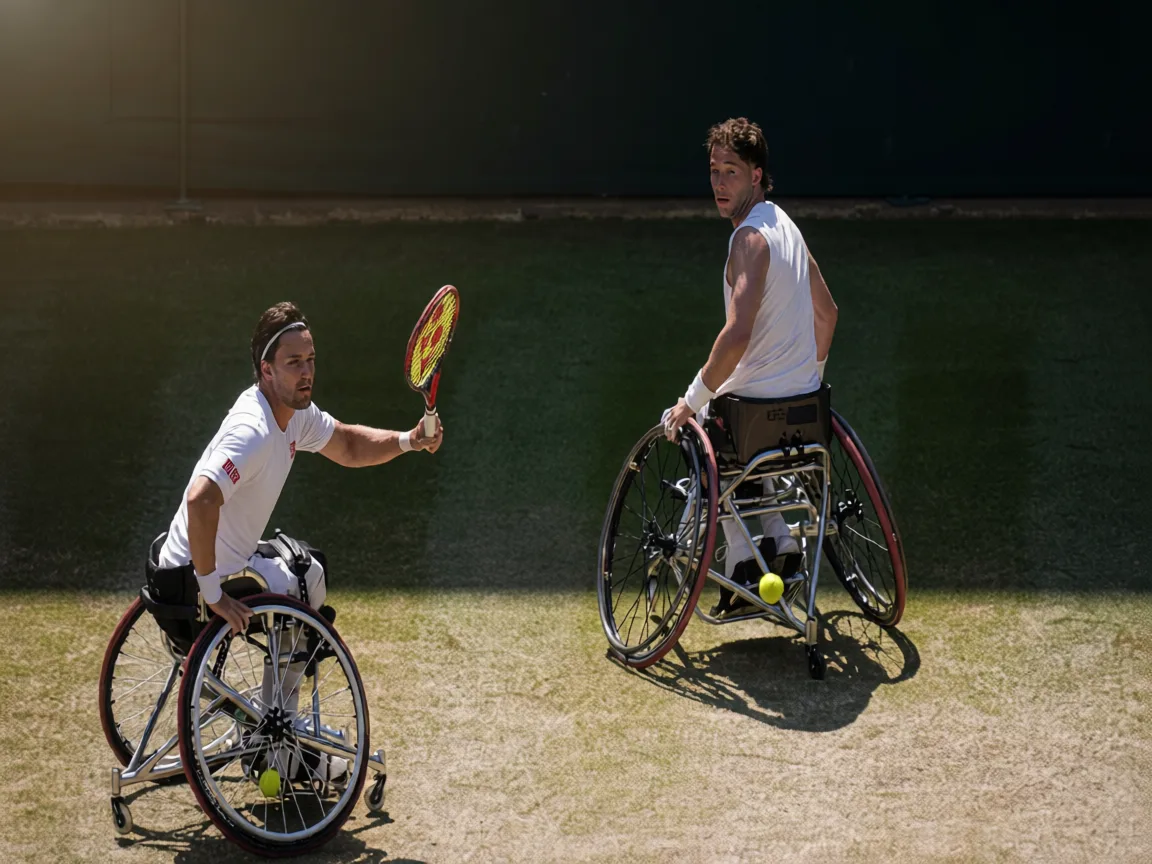
Hewett and Reid Crowned Kings of SW19 Once More
Seven Wimbledon titles. One unbreakable bond. Alfie Hewett and Gordon Reid redefine doubles dominance on Centre Court.
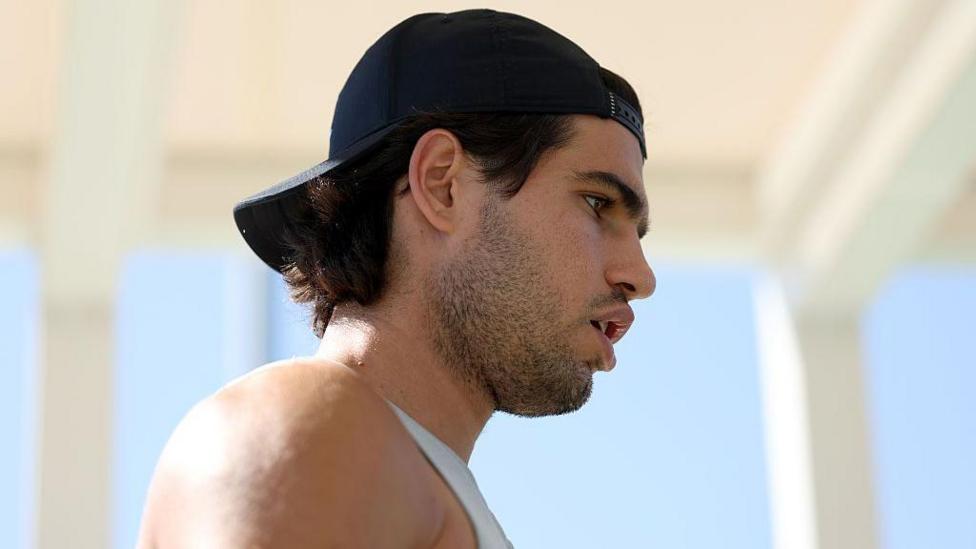
Alcaraz Has Been Sidelined 114 Days. Wrist Injuries Don'T Negotiate.
Carlos Alcaraz has been absent 114 days. Wrist injuries are tennis's quiet career-killers, and his timeline is the concern.