City Signal Rodri Availability: £60m Asking Price and the Tactical Rebuild It Demands
Manchester City would entertain offers above £60m for Rodri, a decision that reshapes their entire midfield architecture and transfer strategy.
Manchester City Put Rodri on the Market for £60m
Manchester City have informed interested parties they would sell Rodri this summer for a fee exceeding £60m, according to BBC Sport. The willingness to listen represents a philosophical shift at the Etihad, where Pep Guardiola's system has been built around the Spain captain since his arrival in 2019.
City have already rejected an opening offer of £38.5m (€45m) from Barcelona for the midfielder, according to Ed Aarons. The Spanish champions' bid falls well short of City's valuation, and the Premier League club want at least £60m before allowing the World Cup-winning captain to depart.
Barcelona Move to Front of the Queue
Barcelona have emerged as Rodri's preferred destination after talks with Real Madrid broke down this week. The 30-year-old, now in the final year of his contract at City, has agreed personal terms with the Spanish champions.
Rodri has indicated he would like to return to his homeland following the departure of Pep Guardiola. His contract running down and Guardiola's exit have together accelerated a move that once seemed unlikely.
Mourinho's Frustration
José Mourinho is reportedly unhappy over Barcelona's hijack of the deal. The Portuguese manager had been linked with a move for Rodri and now faces competition from a club that has secured the player's preference despite their well-documented financial constraints.
City Prepare Bouaddi Deal
City are ready to seal a deal for Morocco star Bouaddi, the first step in restocking a midfield that may lose its most important operator.
What Rodri's Departure Would Remove
Guardiola's 4-3-3 has always been an asymmetrical shape balanced on a defensive midfielder with immense concentration and press-resistance. Rodri fit every characteristic on the blueprint: positioning to intercept, technical security under pressure, and the temperament to manage transitions at the appropriate tempo.
His role extends beyond shielding the back four. Guardiola tasks him with receiving from the centre-backs while pinning opposition pressure, creating a numerical advantage that releases the more creative eights. Without the Spaniard this season, City visibly struggled.
When Rodri was unavailable during the autumn, Guardiola experimented with substitutes that highlighted the problem. Mateo Kovačić, his de facto deputy, offers more verticality but less positional discipline. Rico Lewis was tried in a more advanced midfield role. Neither replicated the Spaniard's dual ability to win duels and then set the next phase of play at a controlled cadence.
The £60m valuation feels modest for a player so central to the system, especially in an era when midfielders with far fewer minutes command fees north of £50m. The price likely reflects two realities: Rodri's age and the fact that he is now in the final year of his contract, and Premier League profitability and sustainability rules (PSR) make pure profit from a previous signing increasingly valuable on the balance sheet.
Why Selling Makes Financial Sense
For a club that rarely moves on core players at Guardiola's request, openness to a sale requires reading the underlying incentives. Rodri signed an extension in 2024 that was due to run through 2027, but the contract situation has now reached its final year, shifting the leverage toward the player and any prospective buyer.
Selling a player signed for £62.8m from Atlético Madrid generates significant accounting gain. Under PSR, profit on player disposals improves a club's allowable losses calculation. For a squad that requires defensive reinforcement and possibly an attacking replacement, freeing up wage space and generating pure profit becomes strategically attractive.
There is also the contractual question of age. Players entering their late twenties on large wages represent carrying costs for years where their performance arc may flatten. City's hierarchy has historically treated older players with pragmatism, selling Raheem Sterling at age 27 when Chelsea offered terms and allowing Sergio Agüero to leave on a free when injury concerns mounted.
Reading Guardiola's recent tactical adjustments offers hints. In matches without Rodri, the manager has shown more willingness to play two deeper midfielders rather than a single anchor, shifting toward a 4-2-3-1 look in certain fixtures. The system becomes more relational, with fewer patterns rehearsed through one player and more dependence on rotation between the two holders.
How City Replace a Single-Pivot Midfielder
If Rodri leaves, City cannot bank on a like-for-like signing. The pool of single-pivot midfielders combining physical duelling with elite distribution is shallow throughout Europe. Bruno Guimarães at Newcastle has the profile but would command a fee exceeding £100m. Martin Zubimendi at Real Sociedad represents the closest stylistic fit but has already resisted Premier League moves.
More likely, Guardiola would rebuild the midfield around positional rotation rather than a single replacement. Kovačić and Matheus Nunes would compete for the deeper roles, with Guardiola perhaps moving toward a more fluid 4-2-3-1 with dual holders. That setup has precedent in his Bayern Munich teams, which often featured two deeper midfielders rather than one true anchor.
Nunes offers greater physical upside, having arrived from Sporting CP for £53m in 2023. He has played as both defensive midfielder and a more advanced eight, giving Guardiola options in how to stagger the midfield unit.
Barcelona's Spending Power
Barcelona's opening bid of £38.5m reflects the financial reality at Camp Nou. The club has operated under severe budget limitations, and their ability to structure a deal approaching City's £60m asking price will test the negotiating creativity of both parties.
The gap between the opening offer and City's minimum price leaves significant room for negotiation. Whether Barcelona can bridge that distance without including add-ons or player exchanges remains an open question in a window where their spending power is constrained.
Funding Defensive Reinforcement
City need at least one defender, possibly two, given the age and injury trajectory of the current back line. Those purchases require capital and amortization headroom under PSR.
Selling Rodri at a price around £60m to £70m would likely finance one major defensive import. Guardiola has been linked with various centre-backs across Europe's top five leagues, and the club failed to find reinforcement at that position in the most recent winter window.
City are closer to a team requiring partial rebuild than at any point since Guardiola's first two seasons. The core that won three consecutive Premier League titles and the Champions League in 2023 has aged simultaneously. Rodri, for all his quality, represents one of the few saleable assets who would command a significant fee and whose departure would yield an accounting gain.
The Summer Ahead
City face a summer where the temptation to cash in on established players and reinvest in younger profiles aligns with financial regulations and the next competitive cycle. Rodri's situation is the clearest example of that intersection: a valuable, important player whose sale makes arithmetic sense even if it creates a tactical vacuum.
The summer transfer window opens with City needing defensive additions, potential forward reinforcement, and now a midfielder already inbound in Bouaddi. Guardiola's ability to construct a functional midfield without the player he called the best holding midfielder in world football will define the early months of next season.
The first competitive fixtures of 2025-26 will reveal whether the manager has found a new structural answer or whether the shadow of a single-pivot departure lingers over the Etihad a season longer.
Updated: 2026-08-07 - Added Barcelona's opening £38.5m bid and City's rejection, Mourinho's reported displeasure, Bouaddi deal readiness, and updated Rodri's contract to final year.
Editorial Integrity
This is an original SportPulse article written by our editorial team. All content is independently researched, written, and reviewed by our writers and editors before publication. We do not publish copied, aggregated, or syndicated content.
SportPulse is committed to original sports journalism. Read our editorial policy or contact us with any questions.
More Like This
All football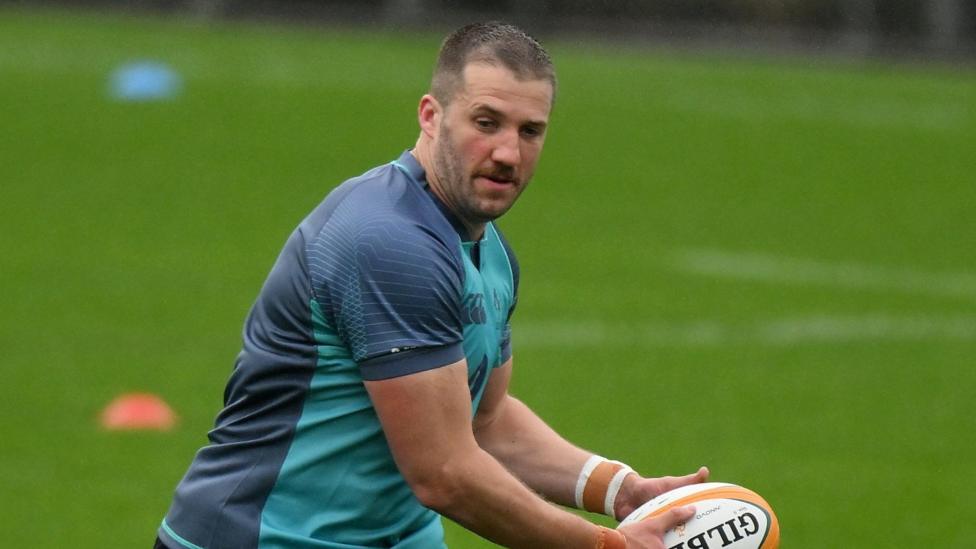
Ireland's Clean Bill of Health Changes the Sydney Equation
Paul O'Connell confirms a fully fit Irish roster ahead of the Nations Championship opener, handing Andy Farrell a rare luxury Down Under.
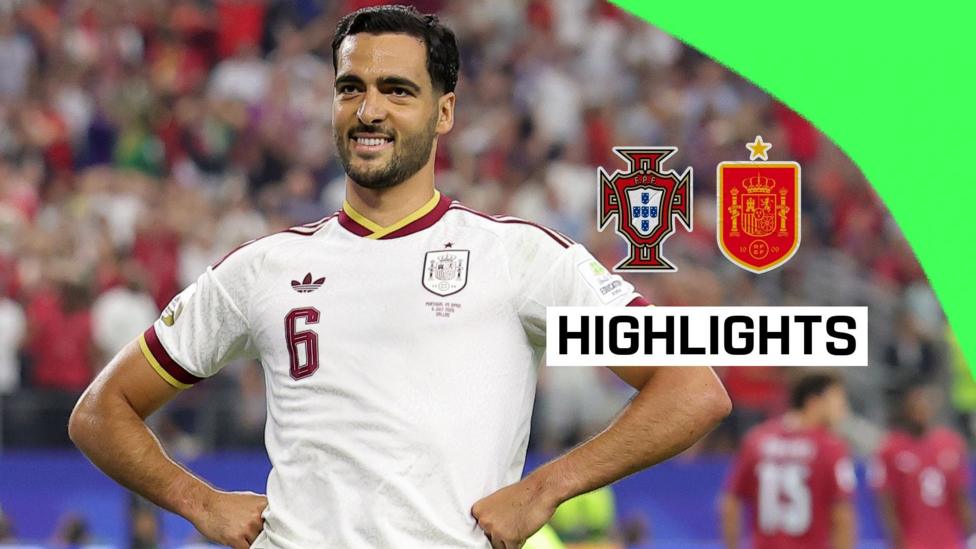
Merino's Extra-Time Stunner Sends Spain Past Portugal
Spain's superior pressing structure and midfield control ultimately broke Portugal's defensive shell in a tense World Cup knockout clash.
Villa Face European Away Ban Over Europa League Final Disorder
Aston Villa's European return is threatened by a suspended away ticket ban following discriminatory behaviour at the Europa League final.