The Olympic Medallist Who Never Touched Her Medal
From sleeping rough to chasing England selection at Glasgow 2026, Madias Ngake's detour through asylum rewrites the athlete-refugee script.
Madias Ngake has an Olympic medal she has never held. She won it representing Cameroon, but she has not touched the physical medal since leaving the country to seek asylum in Britain. Whether it sits in a federation vault, a relative's home, or was lost in transit, the public record does not say.
She slept rough after arriving in the UK. The asylum system provided no track access, no physiotherapy, no nutrition planning. What got her from rough sleeping back to competitive running was individual will, support workers who connected her to the right structures, and time.
Glasgow 2026 has entered the frame. Ngake is seeking selection for England, not Cameroon, not the IOC Refugee Olympic Team. That distinction carries weight. The refugee team pathway exists and would likely accommodate her circumstances more readily. Choosing England places her case inside a national federation's selection framework, where she competes with other eligible athletes for finite squad places.
Competing for England requires meeting eligibility criteria governing residency, citizenship status, and federation rules. The Commonwealth Games Federation recognises athletes who have lived in a represented nation for a defined period, but the specifics of Ngake's asylum status and timeline determine whether she clears that bar. The process is administrative: slow, opaque, and indifferent to deadlines.
England Athletics must weigh Ngake's Olympic pedigree against her current competitive level, disrupted by months or years without structured training. Selection for Glasgow 2026 is not a humanitarian gesture. It is a sporting decision made against a performance standard. Ngake needs to demonstrate that her body, having endured homelessness and institutional instability, can still produce the times that earned her an Olympic medal for Cameroon. Sport does not award marks for perseverance.
The medal gives this story its sharpest edge. Ngake earned it. Her name is attached to it in the records of her sport. She cannot put it on a shelf, show it to her children, or hold it during an interview. Most Olympic medallists treat the medal as the anchor of their sporting identity, the physical proof that silences doubt. Ngake carries her proof in her body's memory and in federation records. She contributed to Cameroon's sporting history, but her departure separates her from the celebration of that contribution. She exists in Cameroonian sporting memory, but she is not present at its ceremonies.
The Commonwealth Games calendar does not bend for individual stories. Selection windows open and close. Qualifying standards must be met within specific periods. Ngake's preparation, disrupted and rebuilt from a baseline of rough sleeping, must intersect with a schedule designed for athletes who have trained uninterrupted for years.
England Athletics will decide whether Ngake's recent times justify selection. If she has been training with a club, accessing coaching, and rebuilding her race sharpness, the case is sporting. If the disruption has left her off pace, the case becomes an appeal to discretion, which is weaker ground. Ngake is not asking for a wildcard. She is asking to be evaluated as a competitor. The risk is that the evaluation is honest, and the answer is no.
Her Olympic medal exists somewhere. Her Glasgow 2026 performance does not exist yet. Ngake is training and waiting for a federation to decide if she gets to compete.
Editorial Integrity
This is an original SportPulse article written by our editorial team. All content is independently researched, written, and reviewed by our writers and editors before publication. We do not publish copied, aggregated, or syndicated content.
SportPulse is committed to original sports journalism. Read our editorial policy or contact us with any questions.
More Like This
All long-reads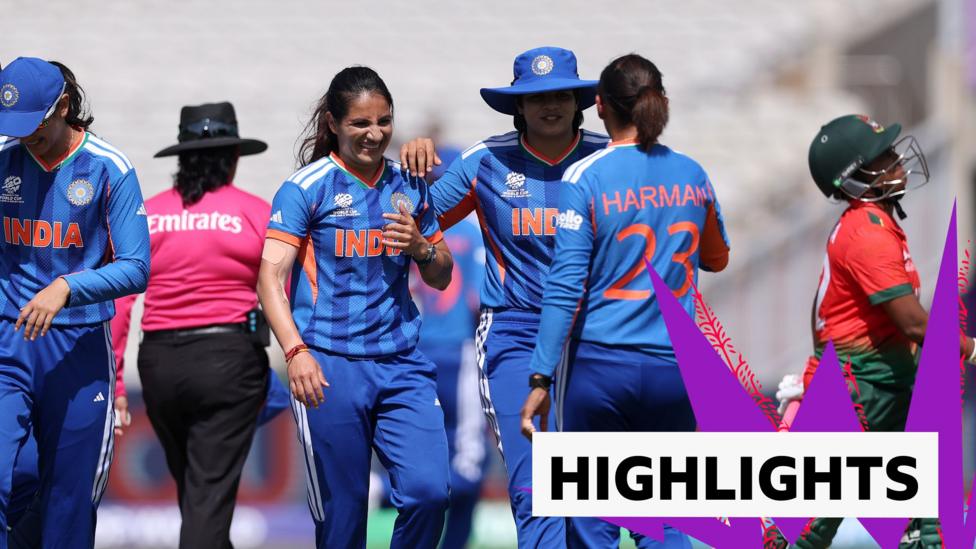
India's Semi-Final Pulse Still Beating After Clinical Bangladesh Demolition
India's five-wicket win over Bangladesh at Old Trafford keeps their T20 World Cup semi-final hopes alive — but the margin matters.
The Camera Angle Reckoning Reshaping Women's Sports Broadcasting
New broadcasting guidelines on respectful camera angles expose a deeper crisis in how women's sports are framed, filmed, and consumed.
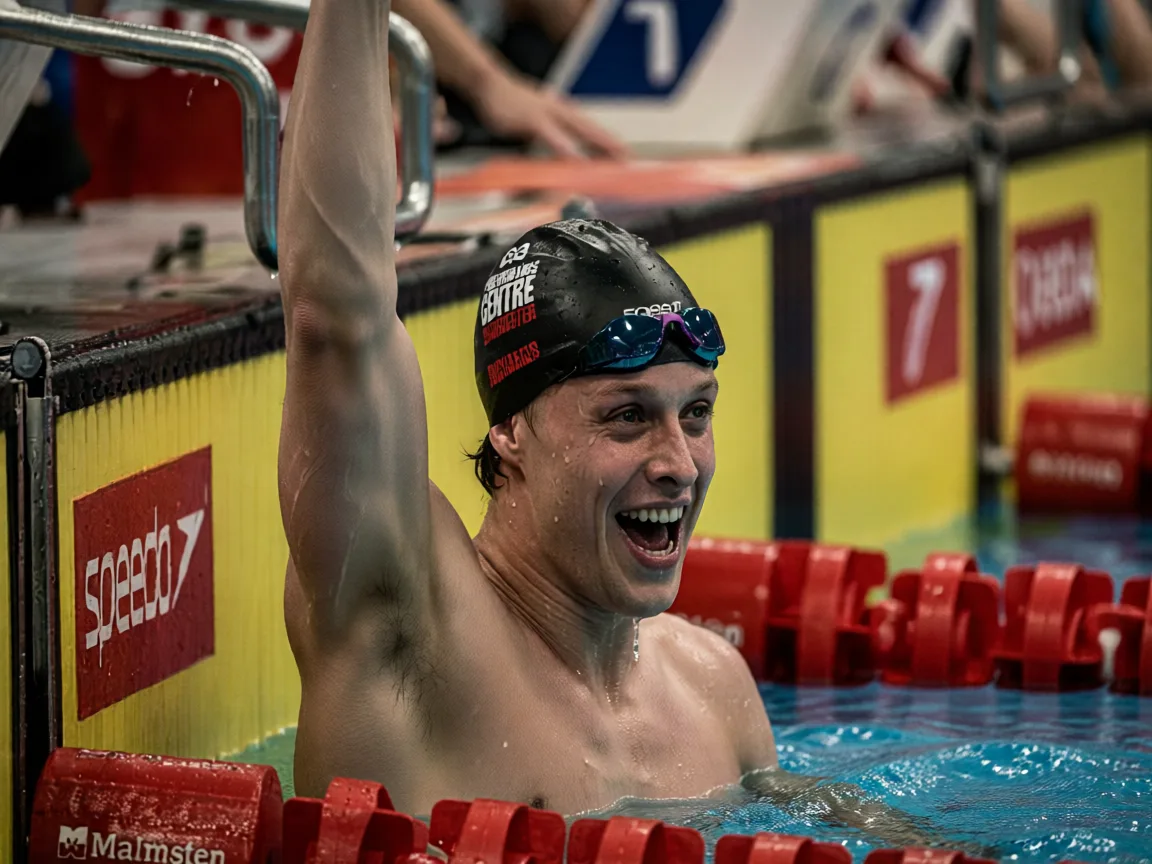
Matt Richards targeting Commonwealth gold to complete major medal collection
Double Olympic champion Matt Richards eyes Commonwealth gold in Glasgow to round out his haul of major titles.