Kretinsky Stake Sale Throws Cold Water on Staveley West Ham Bid
Daniel Kretinsky has sold a small West Ham stake, a move that may torpedo Amanda Staveley's long-running investment ambitions at the club.
Kretinsky's Stake Sale Blocks Staveley's West Ham Campaign
Daniel Kretinsky sold a small stake in West Ham United, a move that directly impacts Amanda Staveley's campaign for a larger ownership role.
Staveley, the British billionaire, has publicly positioned her capital as a way to bolster recruitment and infrastructure, framing herself as a potential saviour of the club's finances. Kretinsky, the Czech billionaire co-chair alongside David Sullivan and David Gold, has kept his stance on the club's financial future opaque.
The stake sale, described as small, does not alter the fundamental power structure at East London. Kretinsky's willingness to part with even a fraction of his holding suggests he is not looking to bring in outside capital on terms that would give investors like Staveley a meaningful seat at the table.
This is not the first time Staveley's ambitions have met resistance from the Sullivan-Gold-Kretinsky axis. Her public pitches have received polite non-committal responses. Kretinsky's latest move suggests any door for Staveley's investment is closed for the foreseeable future.
Kretinsky's sale pairs a small stake reduction with closure of investment opportunities to external parties, signaling a preference for stability over ownership group expansion. West Ham are currently mid-table in the Premier League and qualify for European competition without dramatic spending sprees, a comfortable position for risk avoidance.
West Ham have spent heavily in recent transfer windows, a strategy that has kept them competitive in the top flight and Europe. That spending is backed by Sullivan, Gold and Kretinsky. Any dilution of their stakes through a new investor bringing cash and influence is unlikely to be welcomed.
Staveley's response to the sale has not been public. Her attempts to take stake in West Ham follow a similar pattern to her earlier investment in Aston Villa, where she eventually found a pathway that suited both sides. A similar outcome at the London Stadium is unclear, and the opportunity has narrowed.
West Ham are not in distress, so a narrative of rescue from ruin does not apply. That approach works for struggling Championship clubs or Premier League sides on the brink. West Ham are a top-flight fixture with a global brand and a stadium generating consistent revenue.
Kretinsky's sale may also test the market. In a period of heightened interest in English football ownership, even a minority stake in a Premier League club carries a premium. It is unclear whether Kretinsky believes the price is right or is simply ensuring any future transaction is on his terms alone.
The Sullivan-Gold partnership has lasted decades, producing memorable nights at Upton Park and White Hart Lane alongside periods of frustration. Kretinsky's arrival as co-chair was meant to bring a fresh financial perspective. He appears more interested in protecting that perspective than sharing it.
Staveley has spent millions on legal fees and public campaigns to make her case and is unlikely to give up. But the situation at West Ham has shifted subtly, not in her favour.
Ownership structure unchanged
Kretinsky has removed the most convenient opening for outside capital by reducing his stake while making clear the ownership structure will not expand. West Ham face no financial pressure to bring in a new investor. The club will continue operating with the Sullivan-Gold-Kretinsky group retaining full control of strategic decisions. Staveley's next move is either waiting for a change in circumstance or finding a different angle into the ownership conversation, neither guaranteed to succeed.
Editorial Integrity
This is an original SportPulse article written by our editorial team. All content is independently researched, written, and reviewed by our writers and editors before publication. We do not publish copied, aggregated, or syndicated content.
SportPulse is committed to original sports journalism. Read our editorial policy or contact us with any questions.
More Like This
All football
Mako Marler to become Gladiators' first celebrity contestant in 2027 return
The ex-England rugby prop trades the scrum for the arena, set to compete as Mauler when Gladiators returns on the BBC in 2027.
Kevin Keegan Dies at 75, Leaving Football Bereft of a True Original
A fearless icon lost too soon, a life defined by brilliance that reshaped English football culture.
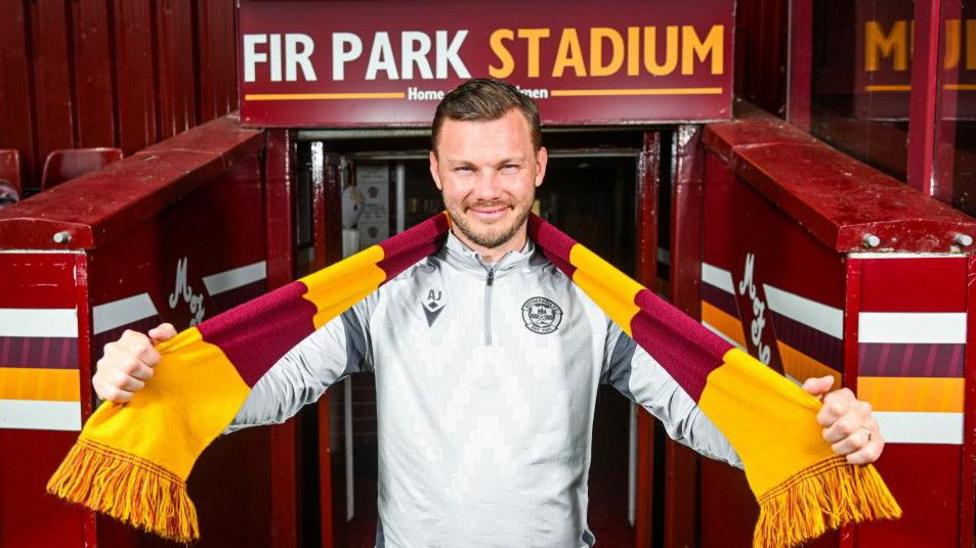
Johansson Brings Intensity and Good Vibes to Motherwell
New boss Alfred Johansson arrives at Fir Park promising high-tempo football and reveals he's having a Scottish baby.