Higgins Calls for Irish League Calendar Shift After HJK Helsinki Humbling
Coleraine's 8-0 European exit exposes the structural calendar gap Ruaidhri Higgins says is holding Irish League football back.
8-0 on aggregate. Coleraine's Conference League exit to HJK Helsinki is the clearest illustration yet of the gap between Irish League football and Europe's summer qualifying rounds.
HJK Helsinki were midway through their Veikkausliiga season. Coleraine's domestic campaign does not restart until early August. They were contesting competitive European football while still in pre-season.
A Calendar Gap Measured in Goals
Ruaidhri Higgins identified the imbalance as temporal. Finnish football runs spring to autumn. HJK Helsinki were physically sharp and tactically cohesive, their match fitness honed by months of competitive fixtures. The Irish League runs August to May, leaving clubs facing European qualifying rounds in July with players weeks away from true match readiness.
A team can only replicate match intensity in matches. Training-ground conditioning closes the aerobic gap, but the speed of decision-making, the timing of the press, the sharpness of third-man runs, these arrive only through competitive minutes.
HJK Helsinki's off-ball running was sharper across both legs. Their defensive shape held under pressure. Coleraine's pressing structure, which would likely function in a January league fixture, decomposed under the strain of chasing a side already mid-season.
What Pre-Season Cannot Replicate
Coleraine's mid-block was bypassed early. HJK Helsinki's vertical passing sequences, timed and weighted by players in competitive rhythm, sliced through the lines. When Coleraine attempted to compress the space and engage higher up the pitch, the coordination was absent. The pressing triggers misfired. The rest-defence structure, the cover shadow and the staggered lines that allow a team to press without leaving channels exposed, requires collective repetition that pre-season friendlies cannot provide.
HJK Helsinki moved the ball with the economy of a side who had played 20-plus competitive matches this year. Coleraine defended like a group of players who had spent six weeks running intervals and doing controlled possession drills.
"A worry for me is if we do not move to summer football, then it is never going to improve."
The Finnish Model and the Irish Winter
The Finnish calendar, shared by Sweden, Norway, and other northern European nations, aligns domestic competition with UEFA's summer qualifying windows. The Irish League remains tethered to a winter calendar that forces its clubs into European ties at the worst moment in their physical preparation cycle.
HJK Helsinki were superior because their season design makes European competition a continuation of domestic rhythm rather than an interruption of pre-season. A side mid-season can execute a 4-3-3 press with the automation that comes from weekly competitive exposure. A side in early pre-season relies on memory and instruction. Over two legs, the difference was measured in eight goals.
Higgins's call for summer football is not new within Irish League discourse. But it lands differently after an aggregate defeat of this magnitude. The gap between the Irish League and its European counterparts is not closing. If the calendar remains fixed, Higgins argues, it cannot close.
The counter-arguments are well-rehearsed. Winter football suits traditional playing surfaces in Ireland. The climate in autumn and spring presents logistical challenges. The cultural attachment to the August-to-May season runs deep. Higgins is asking whether those reasons outweigh the cost of sending clubs into Europe underprepared.
Irish League clubs have struggled in European qualifying for years. Individual performances have occasionally defied the trend, but the structural disadvantage persists. The calendar is not the only variable, but it is the most fixable one.
For Coleraine, the focus returns to domestic competition. The league season resuming provides the matches they lacked against HJK Helsinki. By the time they are physically ready to perform at the level HJK Helsinki demanded, the European tie will have been long settled.
Editorial Integrity
This is an original SportPulse article written by our editorial team. All content is independently researched, written, and reviewed by our writers and editors before publication. We do not publish copied, aggregated, or syndicated content.
SportPulse is committed to original sports journalism. Read our editorial policy or contact us with any questions.
More Like This
All football
Everton Secure Finland Playmaker Rantala from Leicester
Brian Sorensen lands his creative midfield priority as Everton strike a deal for Jutta Rantala.
Quarter-Final Showdowns: How Eight Teams Define Their Paths to the Final
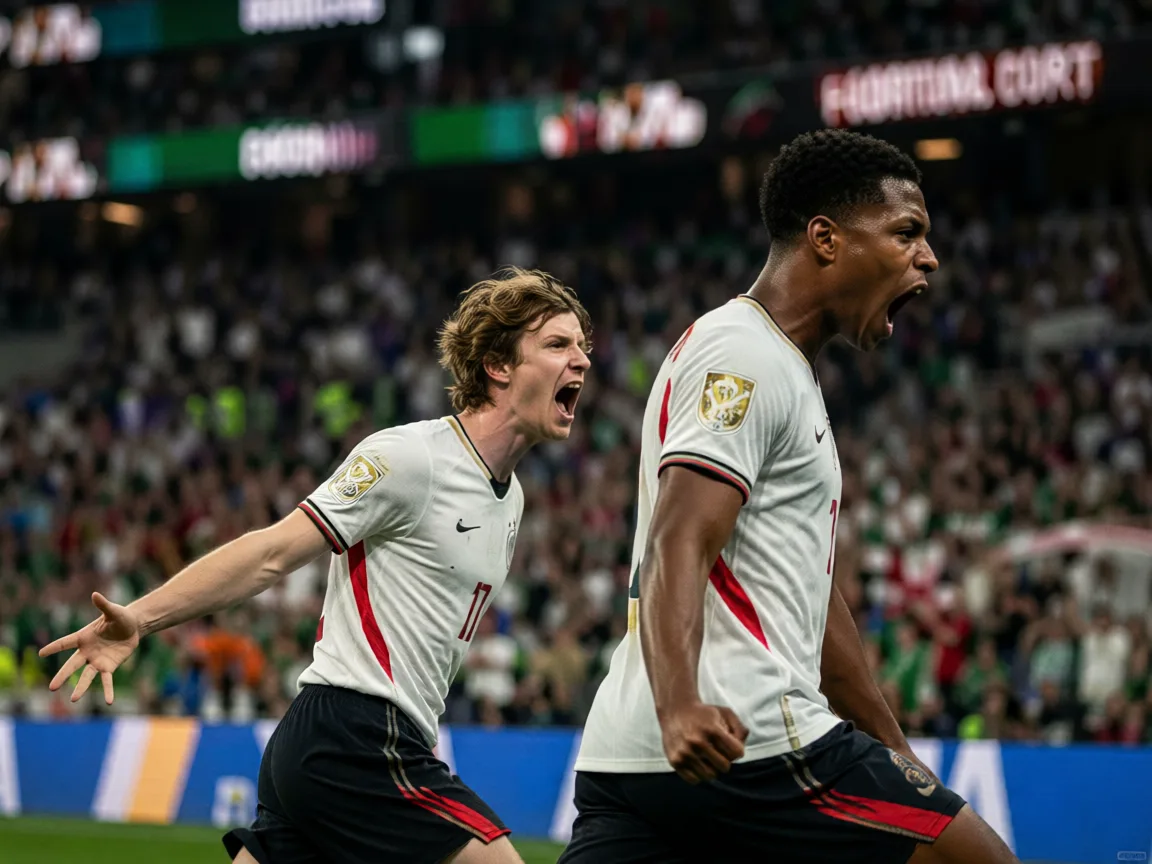
Eight nations remain, each carrying a distinct tactical edge into the knockout crucible.
Arsenal Eye PSG's Barcola as Left-Wing Gamble Replaces Rogers Plan
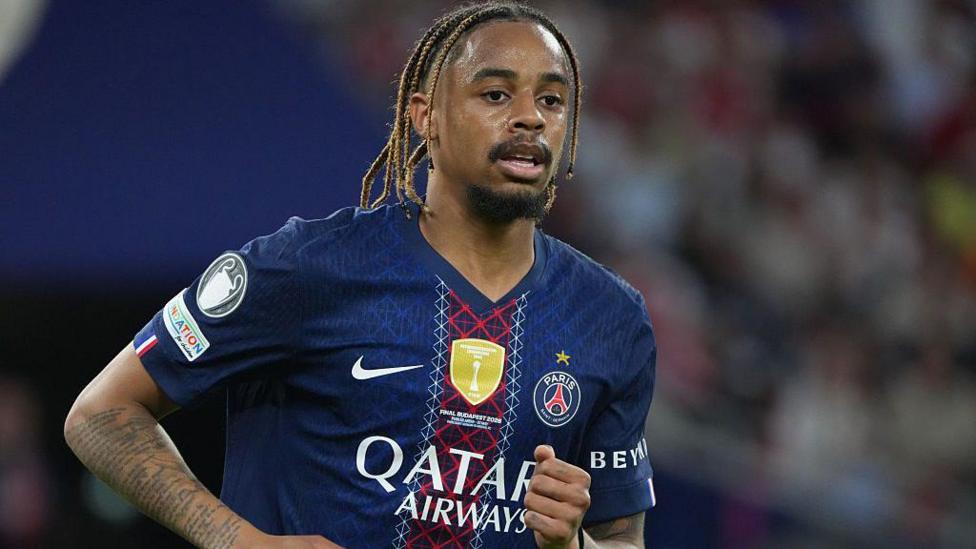
Arsenal pivot to Bradley Barcola after Morgan Rogers pursuit stalls, signaling a bold tactical shift in their summer recruitment.