Glasgow Monsoon Tests Commonwealth Athletes As Amy Hunt Defies Flood
Torrential rain turned the Commonwealth Games athletics into a survival test, but England's Amy Hunt still delivered when conditions collapsed.
Glasgow's downpour during the Commonwealth Games athletics pushed the boundary between character-testing weather and genuine safety concern. Soppy socks, slatherings of Deep Heat, and a track surface resembling a shallow pond: this was not how international sprinters prepare to perform.
Competitors arrived at the call room already damp. Warm-up areas became unusable. Support staff resorted to industrial quantities of muscle balm just to keep limbs warm enough to fire out of the blocks. The rain fell hard enough and long enough to compromise the integrity of the entire athletics programme, not just individual disciplines.
Spike Traction and the Drive Phase
Sprinting is measured to the hundredth of a second. When rain pools on a track, it degrades shoe traction and increases the risk of slippage in the drive phase, that first ten to twenty metres where sprinters generate maximum force. The effective coefficient of friction between spike and track surface drops. The margin between a personal best and a pulled hamstring can narrow to nothing when the track is saturated.
A wet track changes how athletes distribute force through the curve in the 200m. It alters braking mechanics in the landing phase of horizontal jumps. It forces throwers to adjust their rotation when the circle surface becomes slick. For sprinters, where the difference between gold and bronze frequently sits under one tenth of a second, a compromised surface forces a gamble: run at full capacity and risk slippage, or hold back and concede the time advantage.
Amy Hunt Holds Her Race Plan
England sprinter Amy Hunt produced a performance that cut through the miserable conditions. In weather that would have justified conservative running and a survival-first approach, Hunt delivered one of the standout displays of the session.
Others battled the elements mentally before even stepping into the blocks. Hunt's execution held. Maintaining poise when your socks are saturated and the track is spraying water with every stride requires a particular kind of competitive temperament that session conditions can psychologically destabilise before the physical challenge even begins.
For English athletics, a strong showing from a young sprinter in these conditions is a marker worth tracking. Junior and development pathway athletes who perform in adverse conditions often possess the psychological resilience to progress at senior level. The times may suffer when the weather bites, but the ability to hold a race plan together under duress does not show up in the results list.
Television Windows and Call-Room Improvisation
The Commonwealth Games organisers face a straightforward but brutal constraint. You cannot postpone an entire evening of athletics without scheduling chaos. Unlike stadium football, where a waterlogged pitch can delay kickoff by an hour or two, athletics meetings run on compressed windows.
Television schedules, warm-up cadences, doping control logistics, and the simple fact that travelling athletes have flights and accommodation booked mean a rain-affected session cannot simply wait for a break in the clouds. Decisions are made quickly, and athletes absorb the consequences.
Deep Heat becomes adhesive insulation, a means of keeping muscle temperature elevated while the athlete stands in a call room that offers little protection from the elements. Socks are changed, sometimes multiple times. Spike plates are cleaned and dried with towels in the final minutes before a race. Every routine rehearsed to minute detail in training becomes rapid improvisation.
Glasgow's weather has never been a secret to anyone who has spent time in Scottish sport. The hosts built a reputation for staging well-run events partly because they understand these realities and prepare for them. The embarrassments of a badly managed wet-weather fixture, with uneven lane conditions and inconsistent timing, are well known in track and field circles.
Four-Year Peaks and Shallow Lakes
Athletes peak for these events on four-year cycles, and in the Commonwealth Games context, occasionally beyond. To arrive at your competitive peak, pass through the call room, and discover that the track is a shallow lake is a specific kind of frustration that a slower time cannot fully capture.
For the performances that did shine through, the rain should not be an asterisk. Amy Hunt's display, and others like it, exposed the best-prepared athletes: the ones who can hold their technical shape together when the surface is compromised and the atmosphere is miserable.
Some of the most respected performances in British athletics came in conditions that would politely be described as grim. The Glasgow downpour fits that lineage. It stripped away the polish of a major championship session and left raw competitive instinct as the only viable currency. Hunt and those who delivered alongside her will not remember the rain fondly. But their performance, properly contextualised, was one of the more honest results of the Games.
Editorial Integrity
This is an original SportPulse article written by our editorial team. All content is independently researched, written, and reviewed by our writers and editors before publication. We do not publish copied, aggregated, or syndicated content.
SportPulse is committed to original sports journalism. Read our editorial policy or contact us with any questions.
More Like This
All long-reads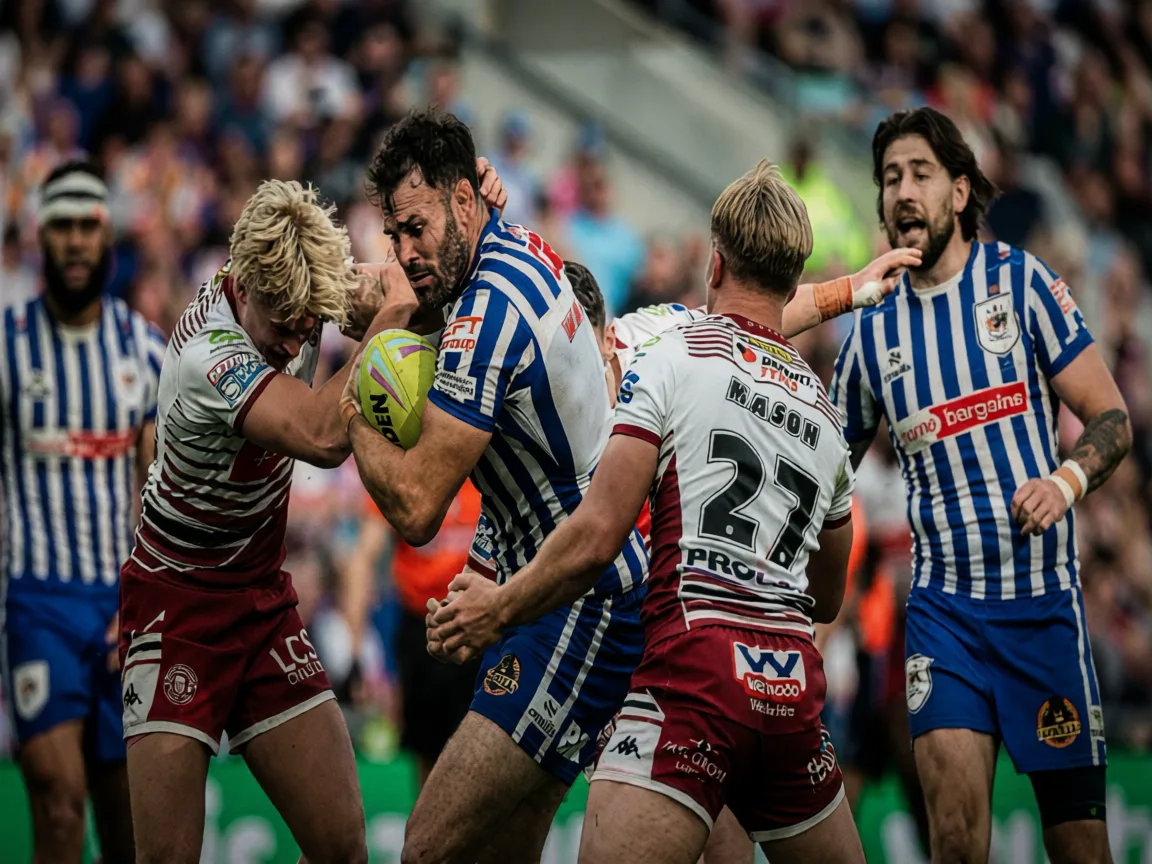
From Old Trafford Boardrooms to Rugby League's Hot Seat
Ex-Manchester United executive Ian Nolan takes the RFL chief executive role, banking on Premier League commercial DNA to revive rugby league.
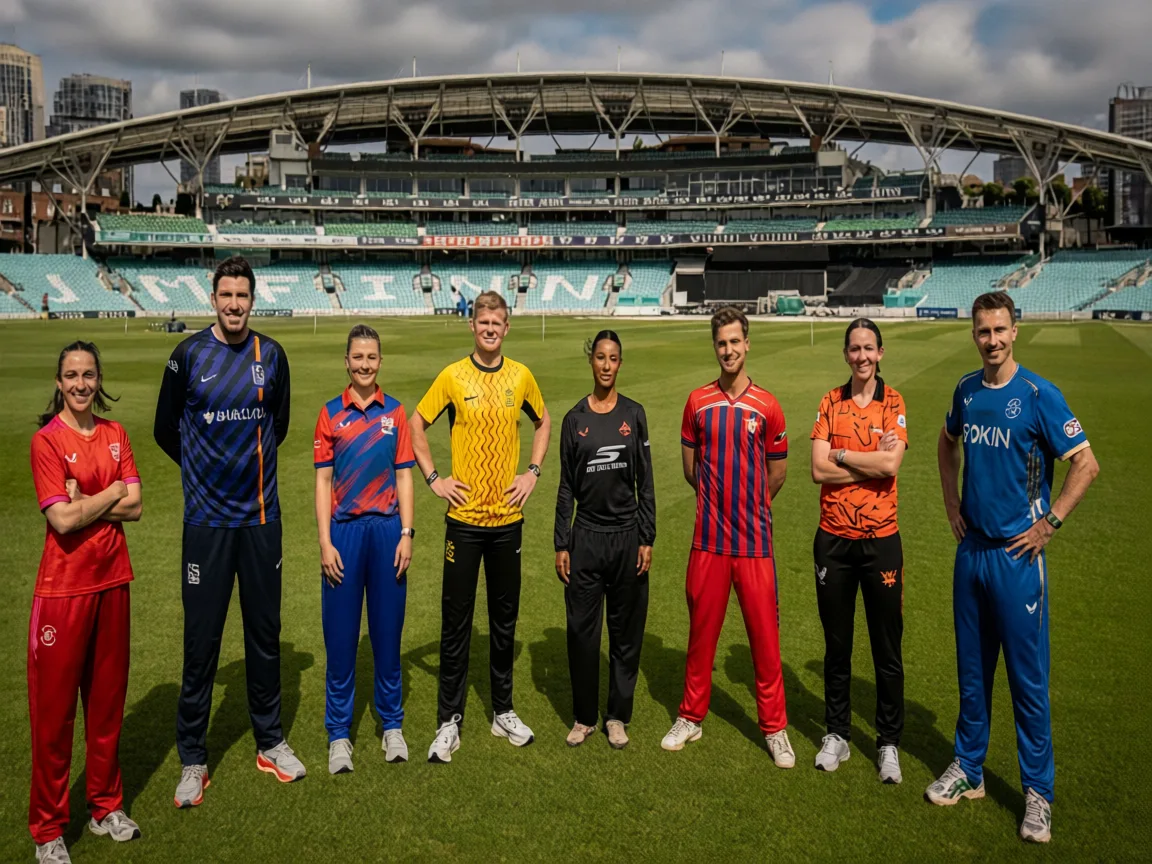
The Hundred 2026: What's Changed and Why It Matters
The Hundred returns in 2026 with structural tweaks, commercial shifts, and competitive implications worth dissecting.
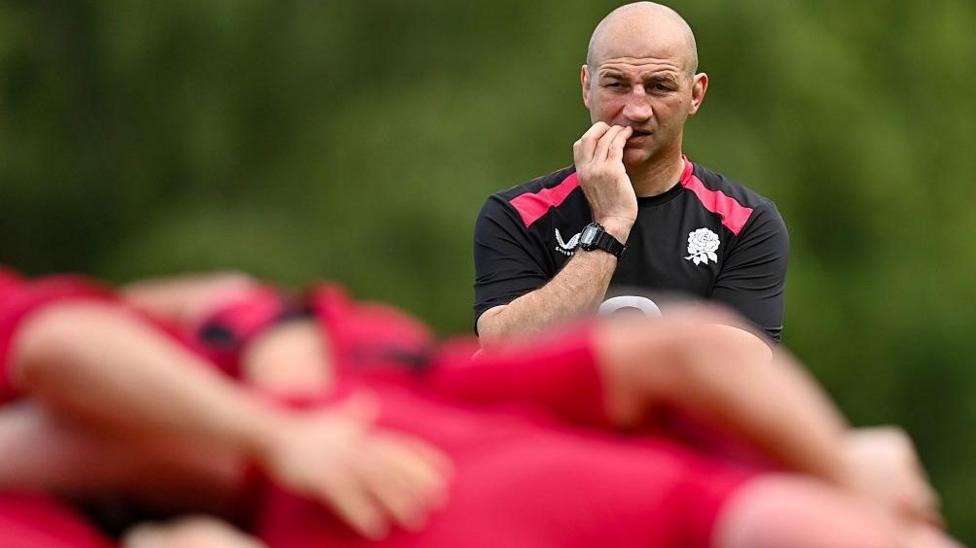
Borthwick's Defining Test: Can England Break 54 Years of Ellis Park Pain?
England travel to Johannesburg seeking a first Ellis Park victory in 54 years against the Springboks dynasty.