Mumbai, Mie, Madrid — GB Sevens Stars Play for Survival
Stripped to part-time contracts, Great Britain's sevens players work jobs across three continents to keep their Olympic dreams alive.
The Players Who Keep Going Without a Paycheck
Since their contracts were stripped back to part-time last summer, Great Britain Sevens players have had to find alternative employment and teams to keep their passion alive.
That single sentence carries the weight of a career decision most full-time athletes never have to face. It was last summer that the financial floor dropped out from under Great Britain's Olympic sevens programme. Players who had committed their lives to a sport that rewards no one but winners were told, effectively, that they were on their own.
What followed was not a story of collapse but of improvisation. Players scattered across Mumbai, Mie, and Madrid — cities that have no obvious connection to British rugby — to find club spots and income that would let them keep training, keep competing, keep hoping.
Mumbai, Mie, Madrid — A Season on the Move
The trio of cities in the original reporting is telling. Mumbai points to the HSBC Sevens series stop in India, where players with club connections or personal networks may have found temporary contracts or training opportunities. Mie, a town in Japan's Mie Prefecture, is home to a growing rugby community and has hosted international sevens events. Madrid sits at the heart of Europe's rugby sevens circuit and offers club pathways for players willing to prove themselves.
These are not destinations chosen for lifestyle. They are wherever a shirt was available, wherever a coach was willing to take a chance on a GB international who could no longer afford to be selective.
The financial reality is stark: part-time contracts in elite sport mean part-time access to medical staff, strength and conditioning support, and recovery resources. Players who previously trained as a unit in a professional environment are now figuring out logistics alone — where to live, where to train, who to pay to keep their bodies usable.
The Human Cost of Part-Time Ambition
The phrase "keep their passion alive" is doing heavy lifting in the source material. It is a polite way of saying that these athletes are choosing to continue a sport that no longer pays for their commitment. The alternative — walking away — was never going to be the easy option for people who had already invested years into Olympic selection.
What makes this story sharper is the timing. The sevens programme was restructured, the contracts were cut, and yet the players are still showing up. They are still traveling. They are still training in unfamiliar leagues on unfamiliar pitches, trying to stay visible for national team selection while making rent.
There is no dramatic turn in this narrative. There is no sudden rescue. There is just the ongoing, grinding work of athletes who refuse to accept that their sport has decided they are no longer worth the investment.
Editorial Integrity
This is an original SportPulse article written by our editorial team. All content is independently researched, written, and reviewed by our writers and editors before publication. We do not publish copied, aggregated, or syndicated content.
SportPulse is committed to original sports journalism. Read our editorial policy or contact us with any questions.
More Like This
All football
Kane Commits to Bayern, City Eye Overhaul, Chelsea Hunt Chavarria
Bayern lock down Kane, Manchester City plot a squad-wide rebuild, and Chelsea circle Rayo Vallecano's rising left-back.
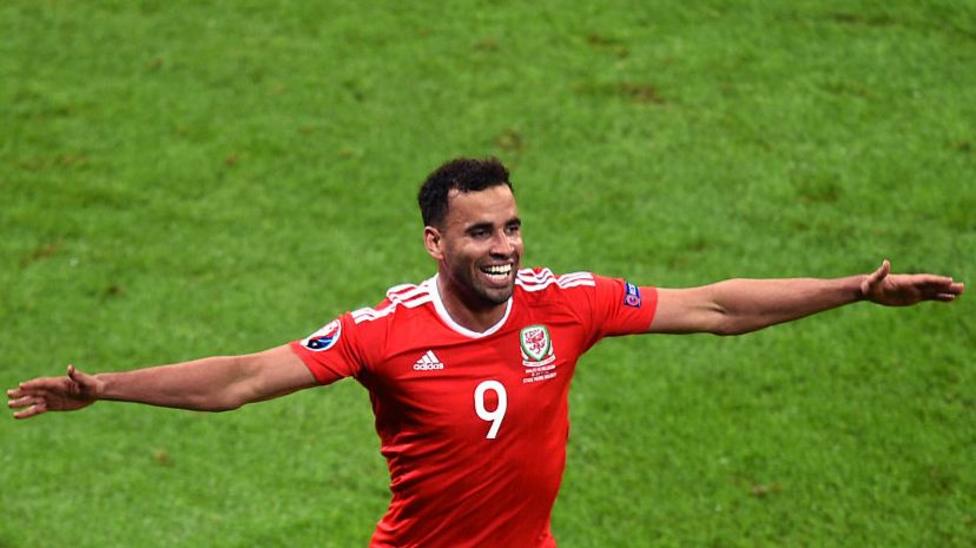
The Cruyff Turn That Rewrote Welsh Football Forever
A decade on, Hal Robson-Kanu's moment of audacious brilliance against Belgium remains Euro 2016's defining image.
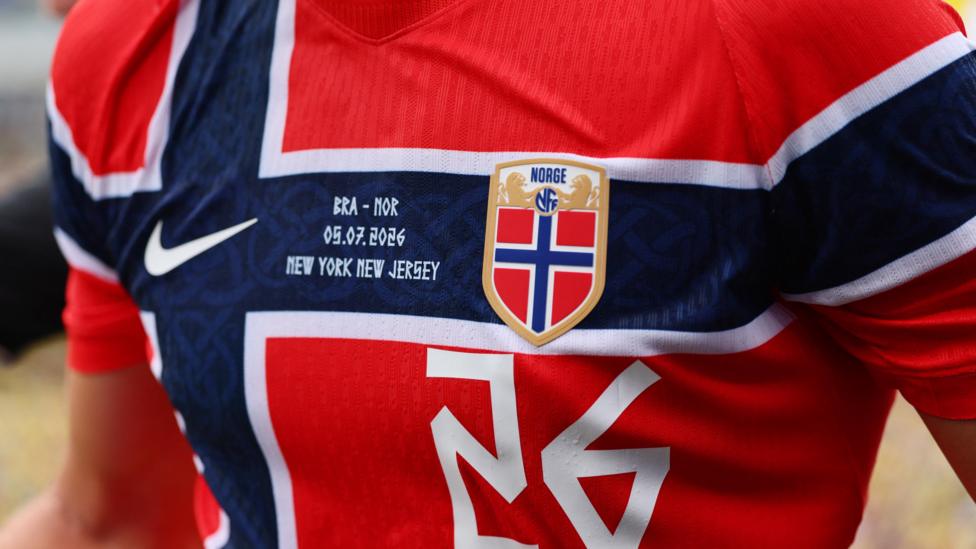
Norway Shirts Sold Out: Supply Chain Meets Tactical Renaissance
Norway's tactical evolution under Solbakken has created surging shirt demand that suppliers cannot meet before the England fixture.