FIFA Support Erodes as England, Wales, and Finland Pull Backing
Three European FAs withdraw support for Infantino's re-election while football pauses to remember Franco Baresi's quiet defiance and grace.
Three Associations Break Ranks on Infantino
England, Wales, and Finland have withdrawn their letters of support for Gianni Infantino's upcoming FIFA presidential election, becoming the first of UEFA's 55 member associations to formally distance themselves from the incumbent.
Three out of fifty-five is not a rebellion. But the FA, the FAW, and the Finnish Palloliitto carry enough infrastructure, media reach, and political capital to make diplomatic silence louder than outright opposition. Withdrawing a letter of support is a calibrated gesture: displeasure without confrontation.
FIFA's expanded Club World Cup and the restructured 48-team World Cup have stretched the international calendar to breaking point, creating tensions between national associations, domestic leagues, and clubs over fixtures, compensation, and player welfare. The FA's move reads as a proxy for broader frustration with a governance model that prioritises revenue over the structural health of the game.
UEFA president Aleksander Čeferin has maintained strategic patience toward Infantino, avoiding direct confrontation while quietly supporting reform efforts. Three members breaking ranks introduces a new variable. If others follow, an election lacking full-throated European support becomes harder for FIFA to present as routine.
Infantino's FIFA has framed expansion as inclusion. Critics see commercial expansion dressed in the language of opportunity. The withdrawal of support from established European associations suggests that framing is losing traction.
Ciao Capitano: Milan Says Goodbye at Sant'Ambrogio
Franco Baresi's funeral at the Basilica di Sant'Ambrogio drew thousands of mourners and former teammates through the streets of Milan. The crowd filled one of the city's oldest and most significant churches, gathering to pay their respects to the man who spent his entire club career at AC Milan and captained the side for most of it.
Baresi played 719 matches across two decades and wore the No. 6 shirt that Milan retired in his honour. He was never a galactico in the modern commercial sense. He was a defender who tackled, organised, and led. The streets filled for him anyway, the crowds at Sant'Ambrogio confirming what the retired shirt number had long suggested: the city recognised him as one of its own.
Baresi joined AC Milan as a fifteen-year-old in 1975. By the time Arrigo Sacchi arrived as manager in 1987, Baresi was already club captain. Sacchi, during his transformative reign, dropped the intensity of training sessions, concerned he was pushing the players too hard. Baresi approached Sacchi and convinced him to raise the intensity again. He argued the team needed the discipline, that anything less would compromise what they were building. Sacchi listened. Milan won back-to-back European Cups in 1989 and 1990.
Baresi recalled watching the 1970 World Cup final between Italy and Brazil on television, only the second match he had ever seen. The first was the West Germany v Italy semi-final from the same tournament. He remembered watching those players as a boy and thinking they were like visitors from another planet.
I would never have thought 24 years later, at 34 years old, I would have the possibility to play in that same game, the final, against Brazil, the same team. It was a dream that came true.
His most painful night came at the 1994 World Cup final against Brazil. He played in that match 25 days after knee surgery. He missed his penalty in the shootout. Italy lost.
The FA's Leverage and What It Buys
Back in the FIFA political sphere, the FA's withdrawal carries weight beyond a single letter. The FA sits on the IFAB, the body that governs the laws of the game. Its domestic broadcasting market and historical standing within UEFA give it outsized influence. When the FA withdraws support, even diplomatically, it creates space for others to reconsider.
Infantino remains the overwhelming favourite for re-election. Three withdrawn letters do not constitute a credible challenge to that outcome. The risk for FIFA is not losing a vote. It is losing the appearance of consensus. A president elected without full European backing governs with a visible crack in the coalition, which matters in negotiations over calendar reform, club compensation, and the regulatory framework for agents and transfers, areas where FIFA needs UEFA's cooperation.
The associations have signalled that patience is finite. The next move belongs to the other fifty-two.
Editorial Integrity
This is an original SportPulse article written by our editorial team. All content is independently researched, written, and reviewed by our writers and editors before publication. We do not publish copied, aggregated, or syndicated content.
SportPulse is committed to original sports journalism. Read our editorial policy or contact us with any questions.
More Like This
All football
Leeds Bet £34.1M on Muharemovic: Bold Stroke or Panic Buy?
Leeds United agree a £34.1m fee for Sassuolo's Tarik Muharemovic, a statement defensive signing mixing Premier League survival with bold market strategy.
Amorim Agrees Milan Deal as United Dodge Full Compensation Bill
Ruben Amorim returns to management at AC Milan, saving Manchester United millions on his sacked-coach payout.
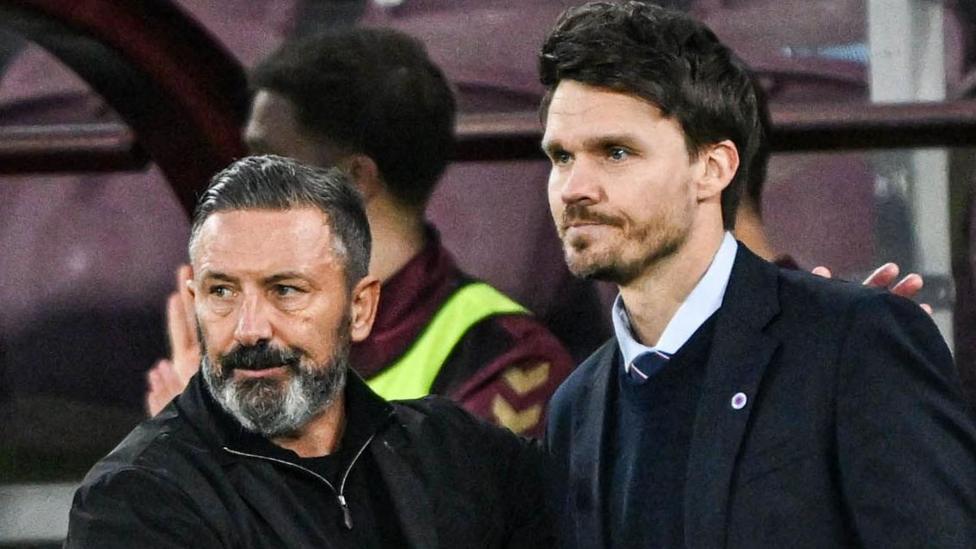
McInnes Replaces Rohl at Rangers: Was It Inevitable?
Derek McInnes replaces Danny Rohl at Ibrox, signalling a stark shift from progressive pressing to pragmatic structural control.