Eala's Left-Handed Geometry Ends Osaka's Washington Run
Alexandra Eala reached the Washington Open final by outmaneuvering Naomi Osaka with structured point construction and tactical precision.
Left-Handed Angles Disrupt Osaka's Strike Zone
Alexandra Eala's victory over Naomi Osaka to reach the Washington Open final applied geometric principles rather than matching power. Osaka dictates rallies from the baseline by punishing predictable pace, using her explosive forehand to terminate points when opponents feed her strike zone. Eala refused to cooperate.
The Filipino left-hander exploited the natural advantage of her cross-court forehand against Osaka's two-handed backhand. That standard tactical play gained disproportionate leverage because Eala directed her shots with consistent depth, keeping the ball above Osaka's shoulder height. The four-time Grand Slam champion needs waist-high contact to generate her trademark explosive acceleration. Eala denied her that contact point.
Osaka has spoken during her comeback about the difficulty of regenerating her footwork under match pressure. Hard courts amplify that challenge. By changing direction late in rallies, Eala forced Osaka into physical compromise, disrupting her balance before she could unload.
Court Positioning and First-Strike Suppression
Eala's defensive court position sat a full step closer to the baseline than Osaka's during extended exchanges. Against Osaka, this positional compression let Eala take the heavy first serve earlier, occasionally chipping returns short to drag rallies into neutral territory rather than allowing Osaka to settle into first-strike tennis. Osaka won the first-strike battle whenever she connected cleanly, but Eala structured points to limit those opportunities.
The left-hand serve provided a persistent edge. By sliding serves out wide to Osaka's backhand in the ad court, Eala opened the court for her next shot. Osaka's defensive backhand returns lacked the penetration to neutralize the ensuing forehand, which Eala routinely drove into the exposed deuce court.
Drop Shots as First-Strike Weapons
The decisive tactical shift arrived when Eala began mixing drop shots into the first three balls of rallies rather than reserving them for late-set desperation. Osaka's lateral movement has improved during her return to competitive tennis, yet her forward recovery from a full sprint remains a mechanical weakness.
"I just tried to stay focused on my plan and execute each point as it came." Alexandra Eala, post-match.
The placement of these short balls correlated directly with errors from Osaka in the subsequent shot. When Osaka sprinted forward, her depth perception and racket preparation compressed. She attempted aggressive forehand passes from positions where control should have taken priority. The forced errors accumulated, and Osaka's frustration manifested in increasingly aggressive shot selection that fed Eala's counterpunching structure. Eala constructed scenarios where Osaka's strengths became irrelevant by denying the platform from which those strengths launch.
Pattern Disruption and the Second Serve
Osaka's game operates on a binary: she dominates with her serve and first-strike forehand, then defends the second serve with diminished conviction. Eala attacked the second-serve return with aggressive footwork, moving inside the baseline to take the ball early. The pressure forced Osaka into a higher first-serve percentage attempt, reducing her overall serving efficiency.
Eala does not possess the raw ball speed to outhit Osaka from a stationary baseline position. She has developed a point-construction framework that prioritizes spatial control over terminal power. Her coaching setup has emphasized what analysts term "pattern disruption." Rather than establishing a rhythm, Eala varies the spin, trajectory, and placement of her first three balls to prevent opponents from settling. Against Osaka, who thrives on rhythm accumulation, this approach functions as a form of attrition.
European clay-court training methodologies have influenced her development, evident in her comfort with high-looping topspin that troubles flat-hitting baseliners. The crossover shows in her court sense, the instinct to use the full width rather than hug the center line.
Eala Dismantles Pegula for Historic First WTA Title
The tactical template that dismantled Osaka held up under final pressure, and then some. Alexandra Eala beat top seed Jessica Pegula 4-6, 6-4, 6-0 to win the DC Open, becoming the first player from the Philippines to claim a WTA Tour-level singles title.
The final tested Eala's resolve in ways the Osaka match did not. Sunday's schedule started nearly three hours late, and persistent rain suspended play overnight with Eala trailing by a set but leading 2-1 in the second. She resumed on Monday and reeled off eleven of the next twelve games, closing the match with a bagel that underscored the contrast between her rhythm coming off the pause and Pegula's inability to recalibrate.
Pegula, the top seed and a far more consistent returner than Osaka, presents a different baseline problem. Where Osaka terminates points early, Pegula extends them, absorbing pace and waiting for opponents to overpress. Eala's pattern-disruption framework proved even more effective against that profile. By varying height and direction through the first three balls, she denied Pegula the repetitive rhythm that fuels her counterpunching game.
The second set turned on Eala's willingness to attack the second serve with the same forward footwork she deployed against Osaka. Pegula's first-serve win percentage dropped as the pressure to avoid second serves mounted, and the errors that followed from the American compounded quickly across the resumption.
Five Straight Top-10 Wins
The DC Open title carries Eala's run of consecutive victories over top-10 players to five, a streak that spans the tournament and reflects a level of consistency the 21-year-old had not previously sustained. Beating Osaka and Pegula in the same week, on hard courts, against contrasting styles, validates the point-construction methodology that prioritizes spatial control over terminal power.
"I just tried to stay focused on my plan and execute each point as it came." Alexandra Eala, post-match.
That quote, offered after the Osaka win, aptly describes the final. Eala trailed by a set, slept on a 2-1 lead, and returned to complete the comeback without conceding a game in the third. The composure under disrupted conditions reveals a player whose tactical discipline holds under pressure that extends beyond a single afternoon.
The Philippines now has a WTA singles champion. For Eala, the question shifts from whether her framework works at tour level to how far it carries on surfaces and stages where the margins tighten further.
Updated: 2026-08-04 - Eala wins DC Open final over Pegula for first WTA title, updated with final score and historical significance.
Editorial Integrity
This is an original SportPulse article written by our editorial team. All content is independently researched, written, and reviewed by our writers and editors before publication. We do not publish copied, aggregated, or syndicated content.
SportPulse is committed to original sports journalism. Read our editorial policy or contact us with any questions.
More Like This
All tennis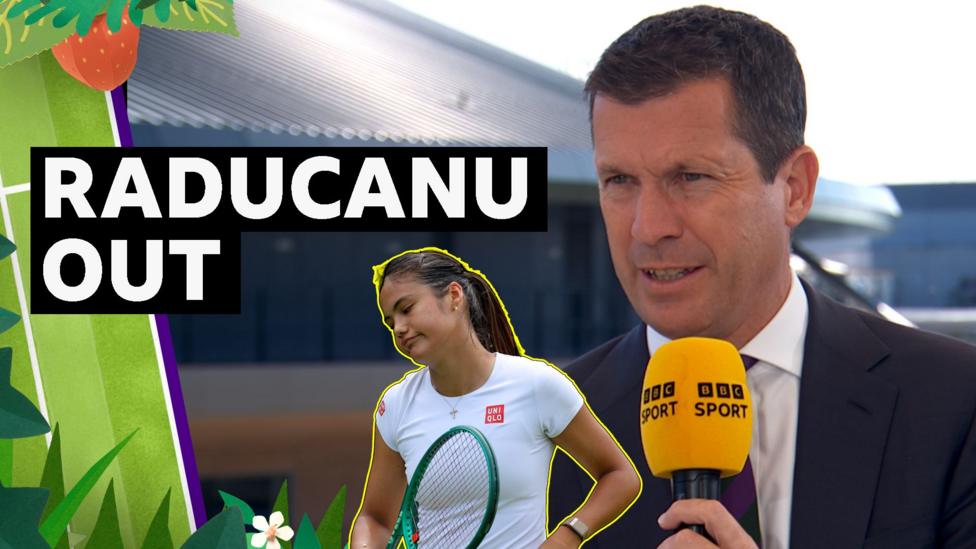
Raducanu's Wimbledon Dream Shattered by Stress Fracture on Eve of Championships
Britain's brightest tennis hope withdraws from Wimbledon with a leg stress fracture, leaving Centre Court's roar waiting for another year.
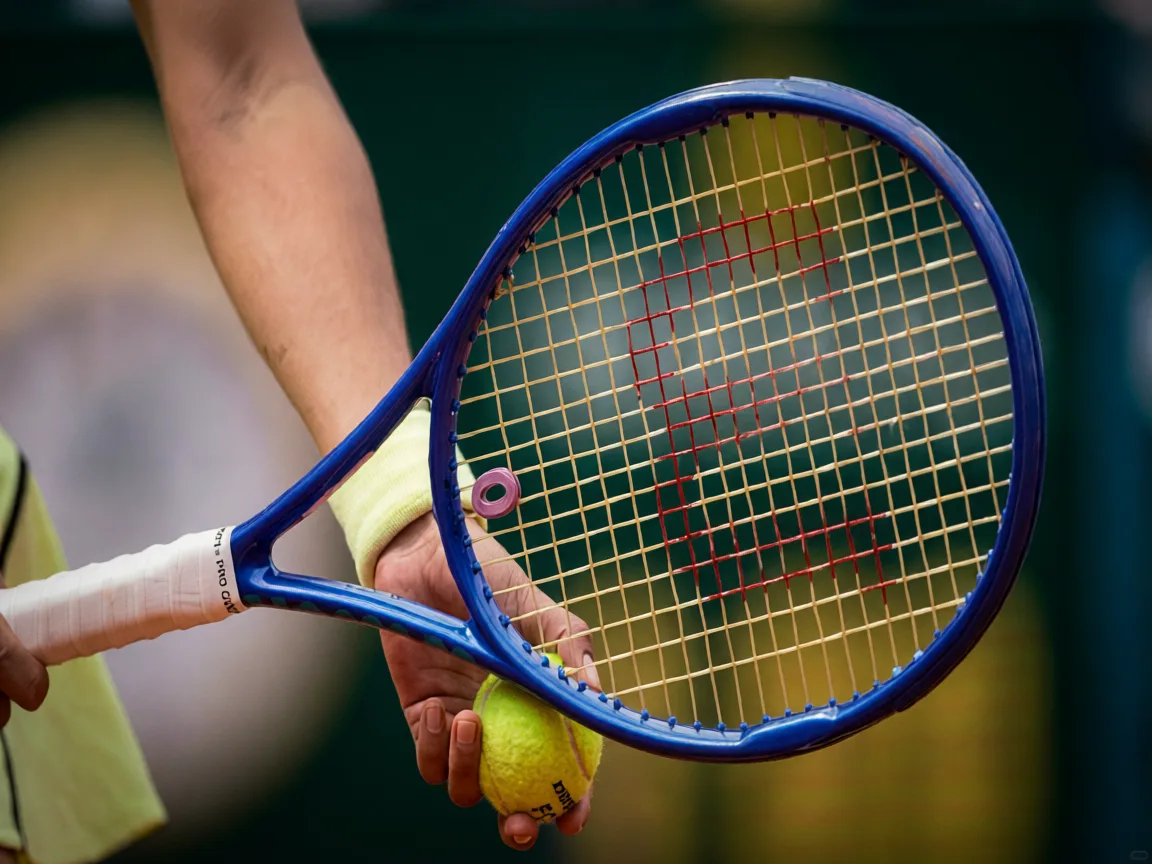
12,000 Abusive Posts: The Silent Opponent Crushing Women's Tennis
Female tennis players faced 12,000 abusive posts in 2025, a digital plague weaponizing anonymity into a career-threatening assault.
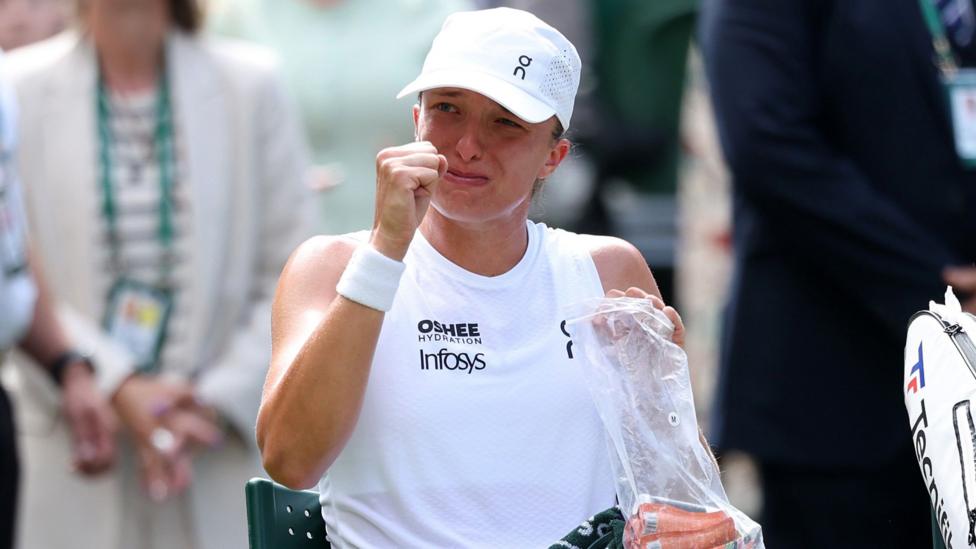
Tears and Tenacity: Swiatek Survives Opening-Round Wimbledon Scare Against Townsend
Iga Swiatek's title defence nearly derailed in round one as the world No. 1 battled tears and a fearless Taylor Townsend.