Sullivan Defies Advice to Attend West Ham's Cup Tie at Portsmouth
The former co-chairman showed up at Fratton Park despite being told to stay away, reopening questions about his lingering influence.
David Sullivan turned up at Fratton Park for West Ham's Carabao Cup fixture against Portsmouth despite being advised to stay away. The former co-chairman's presence at a third-round cup tie on the south coast was deliberate. He still treats the club he once ran as a personal possession.
That the guidance was issued at all tells its own story. Someone inside the West Ham structure calculated that Sullivan's appearance would attract negative attention on a night when the football was supposed to be the story. They were right. Sullivan came anyway.
Carabao Cup ties away from home against lower-division opposition normally generate minimal off-pitch news. Most Premier League clubs use the competition primarily to rotate squads and give fringe players minutes. Sullivan choosing this fixture to make his stand is telling in itself. A smaller crowd, fewer television cameras, less scrutiny. Instead, his attendance became the headline.
Portsmouth's ground at this stage of the competition carries its own atmosphere. The away end sells out regardless of the competition because West Ham fans travel. Inside the stadium, the visitors' section would have been packed, noisy, and fixated on the pitch. The directors' box is a different environment, visible to cameras and noted by reporters.
Sullivan's Shadow Still Hangs Over the Club
Sullivan's time as co-chairman, shared with the late David Gold, spanned over a decade. The pair completed their takeover in January 2010 and presided over the rental tenancy at the London Stadium, the appointment and dismissal of multiple managers, and a transfer strategy that oscillated between bargain-bin opportunism and occasional significant spending. The sale of the club to Petr Kretinsky and the broader investment group shifted the formal power structure. Sullivan stepped away from the role.
He did not, by all appearances, step away from the club. Former owners attending matches is not unusual in English football. Alan Sugar still turns up at Tottenham. Representatives of the old regimes at Arsenal and Chelsea appear in hospitality areas. What separates those appearances from Sullivan's is the explicit instruction to stay away and the decision to disregard it.
The dynamic inside the West Ham boardroom since the change of control has been the subject of persistent speculation. Kretinsky's arrival was framed as a reset, a modernisation of a structure that had long been defined by Sullivan's hands-on, sometimes combustible style of management. Some operating practices, some commercial relationships, some of the institutional memory of the football club still bear his fingerprints. The current hierarchy may want to signal a clean break. Sullivan refusing to comply complicates that narrative.
Inside the Away End and the Touchline
Down on the pitch, the match itself unfolded in front of a vocal, full away end. The atmosphere among the travelling West Ham support was boisterous during the warm-up, with fans' expectations tempered by recent league form and the knowledge that cup football at this venue rarely produces straightforward evenings. In the dressing room before kick-off, the mood was locked-in and businesslike, with kit arranged neatly at each station and the tactical board already set up by the time players returned from their final stretch. Staff moved through the corridor between the changing area and the tunnel with a quiet focus, and the manager spoke little in the final minutes, letting the team sheet do the talking.
The coaching staff on the touchline operated with the kind of tense concentration that third-round ties away from home demand. Every set piece was tracked from the edge of the technical area. When a contentious decision went against West Ham in the first half, one assistant turned sharply toward the fourth official, exchanged a few clipped words, and stepped back inside the box before the referee had cause to intervene. The bench remained standing for long stretches, watching the pattern of play with arms folded or hands on hips.
Why the Instruction Existed
The specific reasons behind the advice to stay away have not been detailed, but the context is not invisible. West Ham have spent the early months of this campaign trying to control the narrative around the football club. New signings, a new manager settling in, a new operational rhythm. Sullivan's presence at a match where he was asked not to attend threatens to drag the story backward.
There is also the matter of optics. The London Stadium era, overseen by Sullivan and Gold, alienated a portion of the supporter base. The move from Upton Park was necessary and commercially unavoidable, but the execution, the communication, and the sustained period of underperformance on the pitch created fractures that have not fully healed. For a section of the fanbase, Sullivan represents a past they would rather not be reminded of.
His appearance at Portsmouth does not change the ownership. It does not alter the boardroom balance. It does, however, confirm that the separation between the Sullivan era and the current regime is not as clean as the corporate messaging would suggest. A man who built his fortune on adult entertainment retail and football-club ownership, who made consequential calls on managers and players for over a decade, does not simply walk away from the stage because a title changed.
What It Means
Sullivan's attendance is a signal that he retains both the inclination and the access to put himself inside the room, even when that room has been declared off-limits. For the current West Ham hierarchy, the challenge is managing a former owner who will not be managed. For supporters, it is a reminder that the institutions of the club, from the boardroom to the terrace, still carry the weight of the years he ran them. The Carabao Cup campaign will continue or end on the merits of the football played. The politics above it will not.
Editorial Integrity
This is an original SportPulse article written by our editorial team. All content is independently researched, written, and reviewed by our writers and editors before publication. We do not publish copied, aggregated, or syndicated content.
SportPulse is committed to original sports journalism. Read our editorial policy or contact us with any questions.
More Like This
All football
Netherlands vs Morocco: The Rematch Nobody Saw Coming — And Everyone Wanted
Four years after Morocco stunned the world, the Atlas Lions face the Dutch again in a knockout cauldron.
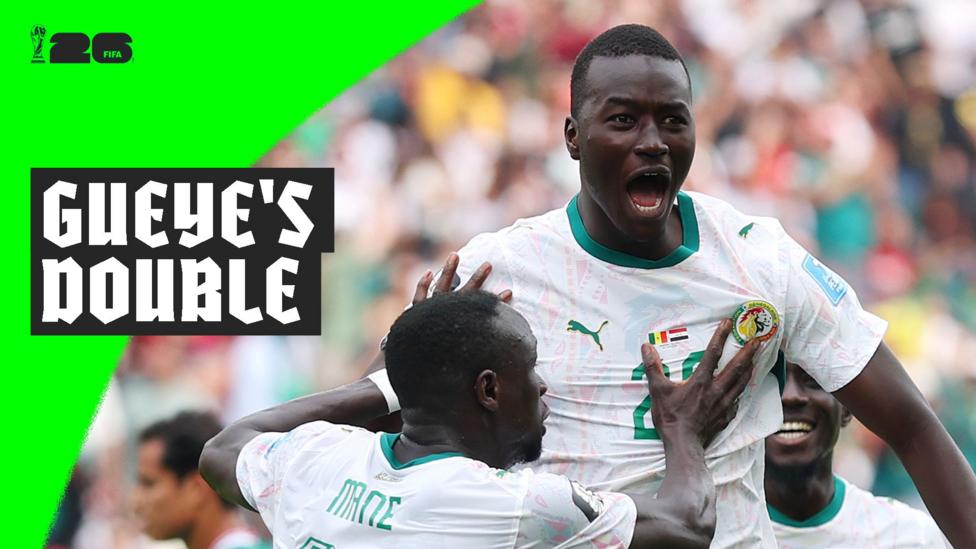
Gueye's Venomous Brace From the Bench Ignites Senegal's Knockout Charge
Pape Gueye's two-goal cameo off the bench dismantled Iraq and sealed Senegal's passage to the last 32 with ruthless efficiency.

World Cup Mystery Star No 31: The Clues, The Legacy, The Answer
Step into the daily World Cup puzzle ritual and unpack the story behind mystery star No 31 — past, glory, and identity.