A Wheelbarrow in Lagos, a Kidney in London: The David Nwamini Case
How a 15-year-old market seller from Ebonyi was trafficked to London as a living organ donor for a senator's daughter.
The Market in Ikotun
David Nwamini was fifteen when he arrived in Lagos for the first time in 2016. He had come from a village in Ebonyi, a state in southeastern Nigeria, where his parents farmed the land and raised nine children. David was the eldest. When his father fell ill, David started working, helping to cut trees and clear land to keep the family fed. A few years of that, and he decided to try his luck in Nigeria's commercial capital.
He landed at Ikotun Market, an open-air sprawl where thousands shop daily for everything from tomatoes and fabric to suitcases and electronics. He sold cellphone accessories out of a wheelbarrow under a wide umbrella, making less than £10 a day. After living with a relative, he moved into a room with two friends, Chukwudi and Friday, who also worked in the market. David had grown up in the same village as Chukwudi. A photograph from their early childhood shows the boys together, David wearing a red sportswear shirt.
How the Trade Finds You
A fifteen-year-old supporting nine siblings on less than £10 a day in a Lagos market fits the exact profile that trafficking networks canvass for. Not wealthy enough to be missed. Not educated enough to read the fine print of a promise. Not powerful enough to refuse.
Someone found him.
The reporting on Nwamini's case, explored at length in the Long Read magazine's summer issue, tracks how a young man working at Ikotun Market was identified, groomed, and transported to London under the pretense of a fresh start. He had no idea what was expected of him in return. That gap between what he was told and what was actually planned is where the fraud lives, and where the legal machinery of trafficking turned a teenager into cargo.
Organ Trafficking and the UK
Organ trafficking cases involving the UK are rare in prosecution but not in occurrence. The National Crime Agency has warned for years that the UK serves as both a destination and a transit point for victims trafficked for their organs. The Global Slavery Index estimates that tens of thousands of people are held in modern slavery in the UK at any given time, a figure that includes forced labor, sexual exploitation, and organ removal.
The economics are efficient. A kidney broker operating between West Africa and Europe can source a donor for a few thousand dollars, arrange travel documents and a medical entry visa, and deliver the organ to a waiting recipient whose own transplant waitlist timeline stretches into years. In the UK, the average wait for a deceased donor kidney is roughly two to three years; for some blood groups, longer. The private market resolves that wait in its own way.
The Ekweremadu Prosecution
The most prominent UK organ trafficking prosecution in recent years involved Dr. Obinna Obeta, a Nigerian-trained doctor living in south London, alongside Senator Ike Ekweremadu, a former deputy president of the Nigerian Senate, and his wife Beatrice Ekweremadu. Their victim was a young Nigerian man trafficked to London to provide a kidney for the senator's daughter, who suffered from renal failure.
The parallels to Nwamini's account are structural. Although the published narrative does not explicitly name Nwamini as the victim in the Ekweremadu case, the overlap is consequential. Obeta was convicted at the Old Bailey under the Modern Slavery Act, receiving a 10-year sentence in May 2023. Ike Ekweremadu was sentenced to 9 years and 8 months. Beatrice Ekweremadu received 4 years and 6 months.
The prosecution's account, as presented at trial and reported across British and Nigerian media, reads like a manual for disguising exploitation as benevolence. A young man is offered passage to Britain. Medical documentation is falsified to present him as a willing family donor. The financial transaction, if any, is buried under layers of plausible deniability. The recipient is wealthy, connected, and facing a medical crisis. The donor is poor, dispensable, and facing nothing of the sort.
In court, the victim testified that he had been brought to the UK and told the arrangement was for his benefit. He would be paid, he was told, or given opportunities. Instead, he was taken to a hospital in London and expected to submit to nephrectomy, the surgical removal of a kidney, on behalf of someone he had no biological relationship to and no loyalty toward.
Convictions at the Old Bailey
The conviction of the Ekweremadus was the first of its kind under the Modern Slavery Act for organ trafficking in the UK.
A few facts from the trial fix the case in the legal record:
- Ike Ekweremadu, 60 at sentencing, former deputy president of the Nigerian Senate, convicted of conspiracy to arrange or facilitate travel of another person with a view to exploitation, and of arranging or facilitating travel with a view to exploitation.
- Beatrice Ekweremadu, convicted of arranging or facilitating travel with a view to exploitation.
- Dr. Obinna Obeta, convicted of the same conspiracy charge plus an additional count of arranging travel for exploitation.
- The victim, whose identity was protected by reporting restrictions, was a young man from Lagos who had been recruited under false pretenses.
- The sentencing hearing took place at the Old Bailey before Mr. Justice Johnson, who described the conduct as "a held breach of trust" and noted the victim had been treated as a commodity.
What Almost Went Undetected
The scheme would have continued to operate had the Royal Free Hospital, where the planned transplantation was to take place, not flagged inconsistencies in the donor documentation. A young man earning pocket change at Ikotun Market was not the first to be identified as a candidate. The trade depends on the asymmetry between a seller in Lagos and a buyer in London, between a life valued at less than ten pounds a day and a kidney valued at everything a desperate family will pay for it.
The Old Bailey trial made its point in years of imprisonment. The economics that produced the case have not gone anywhere. There are still markets in Lagos. There are still brokers willing to staff them with clients. There are still hospitals in London and across Europe where a falsified relationship can pass undetected if the paperwork is clean enough and the staff are not looking closely enough.
The summer issue of the Long Read magazine carries the full account of Nwamini's trajectory from Ikotun Market to London.
Editorial Integrity
This is an original SportPulse article written by our editorial team. All content is independently researched, written, and reviewed by our writers and editors before publication. We do not publish copied, aggregated, or syndicated content.
SportPulse is committed to original sports journalism. Read our editorial policy or contact us with any questions.
More Like This
All long-reads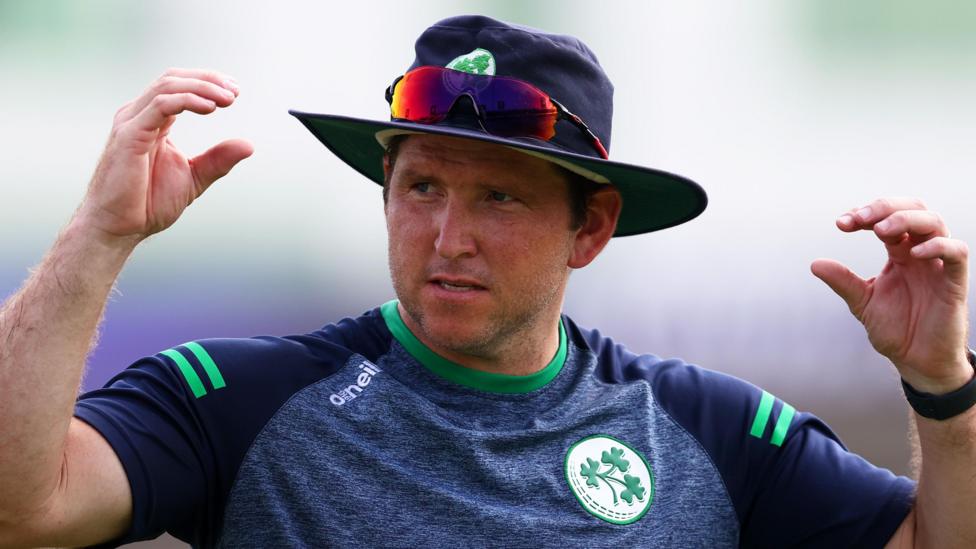
Gary Wilson's Grand Plan: Turning Ireland's Giant-Killing Into a Culture
Ireland's new head coach wants to transform a historic India scalp into sustained credibility on the world stage.
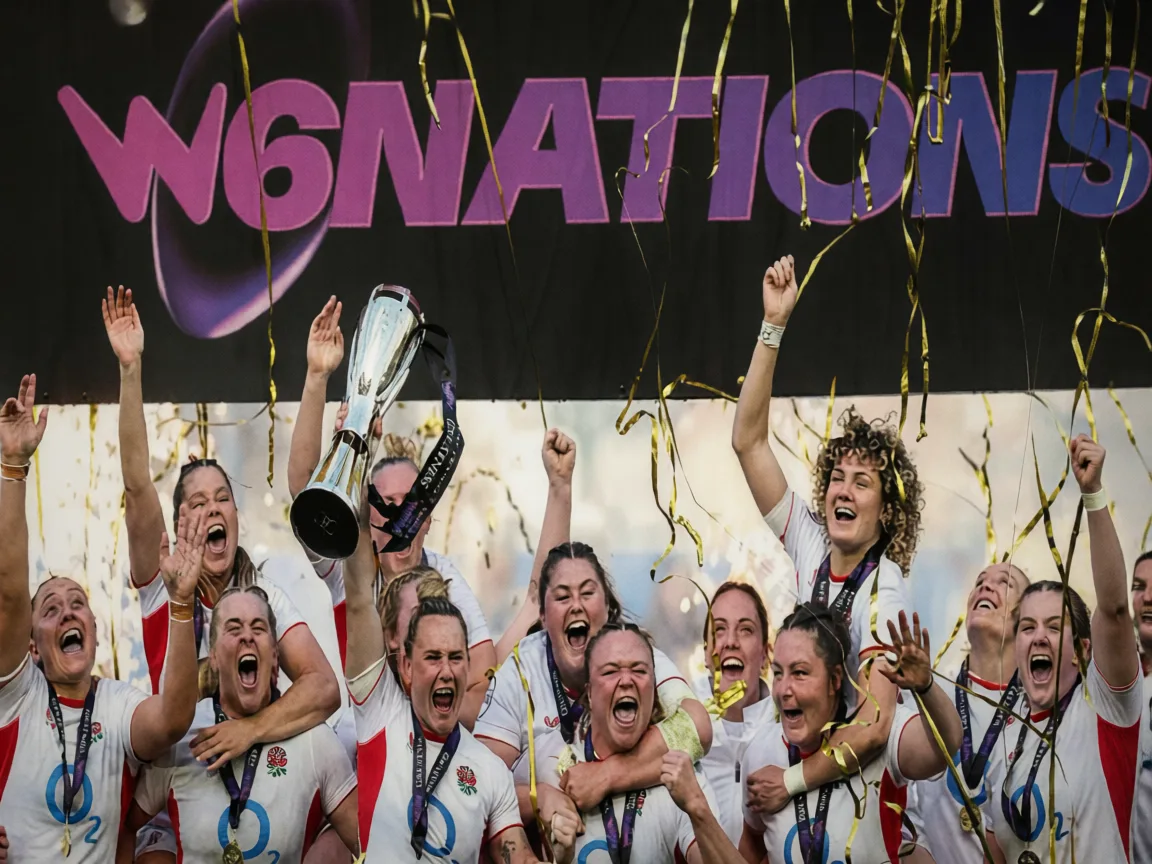
World Rugby Data Reveals Female Players Face 69% More Online Abuse
Female rugby players are 69% more likely to suffer social media abuse than male counterparts, exposing a crisis demanding immediate action.
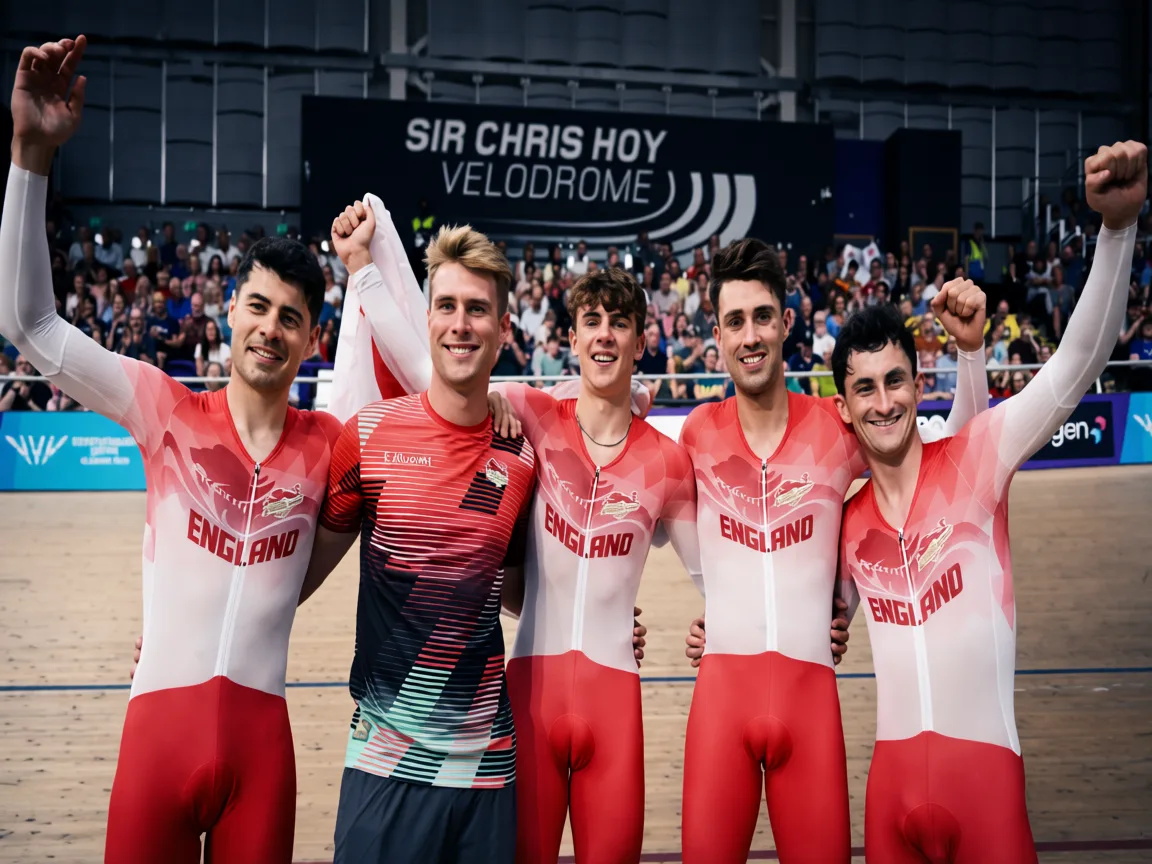
England's team pursuit triumph over sickness at Commonwealth Games
England's team pursuit squad overcame morning illness to secure gold in the velodrome with a late gamble and fine ride.