Cucurella Inks De la Fuente: Loyalty Written on Skin
Marc Cucurella's tattoo of Luis de la Fuente captures the tight-knit culture driving Spain's World Cup-winning squad.
Marc Cucurella reported to Spain duty this week with Luis de la Fuente's face tattooed on his body. He promised it during the Euros. Spain won their first major trophy since 2012, and Cucurella kept his word.
From Pochettino's bench to de la Fuente's starting XI
Under Mauricio Pochettino at Chelsea, Cucurella spent stretches of last season competing for minutes. Pochettino sometimes deployed him as an emergency right-back or left him out of the starting XI entirely. He arrived at the Spanish national team camp carrying that club ambiguity. De la Fuente saw a specific tactical profile that fit his 4-2-3-1 / 3-2-4-1 hybrid system instead.
Cucurella offered aggressive advantage-line pressing, intelligence in tight half-spaces, and a willingness to pin the opposition fullback deep. The Spanish coaching staff asked him to play as a wide defender in possession who effectively functioned as a fifth attacker. Spain's structure shifted depending on the phase. When pushing the ball into the final third, the left-sided profile often included an inverted fullback who moved centrally.
Wide traps and high recoveries
The physical commitment in the first defensive action separated this Spain team from the Luis Enrique iteration. De la Fuente constructed a pressing scheme that asked wide players to trigger traps. Cucurella served as the first defender in a wide trap sequence, squeezing the opponent's right flank alongside a collapsing central midfielder.
This aggressive stance allowed Spain to win the ball higher up the pitch. The tactical bet was that risk in the back line would be compensated by the sheer volume of high recoveries. Cucurella's stamina and anticipation in the left channel made him the executor de la Fuente needed.
A camp that functions like a family unit
The de la Fuente era has been a deliberate shift away from the cerebral, possession-for-possession's-sake model of his predecessor. The current staff prizes directness and emotional connection. Players have spoken repeatedly about a camp environment that functions like a close family unit. Getting the manager's face tattooed on your body is an extreme manifestation of that bond. It signals a group that has bought completely into the man's methodology.
For Cucurella, the gesture carries personal weight. A player who had to scrap for his club position used the international platform to reboot his standing in the European game. The tattoo is as much about his own career resurrection as it is about de la Fuente's triumph in Berlin.
Underlapping runs and the Rodri safety net
Cucurella's action in the final third was not just about crosses. He provided underlapping runs, drawing the opponent's right-back inside and opening the outer corridor for the left winger. This pattern repeatedly created 2v1 advantages along the touchline.
De la Fuente trusted Cucurella's read of the game enough to give him freedom to abandon his traditional defensive post. The system worked because Rodri anchored the midfield, sweeping up any counter-pressing spills.
A tactical architecture built around close control
De la Fuente built a tactical architecture that made a struggling club defender look elite. The scheme catered to Cucurella's strengths: close-control dribbling, quick exchanges in tight quarters, and aggressive defensive actions. By placing him in a system that forgave the occasional positional risk, the coach extracted the best football of the player's career.
Returning to Chelsea this season, Cucurella confronts a different set of demands. Club football in England carries its own physical intensity and tactical expectations. Enzo Maresca's Chelsea system demands different responsibilities from its fullbacks. Cucurella returns to domestic competition with validation from the highest level, but the next challenge is whether he can replicate that aggression and positional sharpness in a league that will not afford him the same central protection Rodri offered in Germany.
For Spain, attention turns to the next international window. De la Fuente will look to solidify this attacking framework as the European champions begin the World Cup cycle. Opponents will now study and prepare for Spain's first defensive action with renewed focus, and the tactical question for the upcoming qualifiers is whether Cucurella's aggressive defending will continue to yield results.
Editorial Integrity
This is an original SportPulse article written by our editorial team. All content is independently researched, written, and reviewed by our writers and editors before publication. We do not publish copied, aggregated, or syndicated content.
SportPulse is committed to original sports journalism. Read our editorial policy or contact us with any questions.
More Like This
All football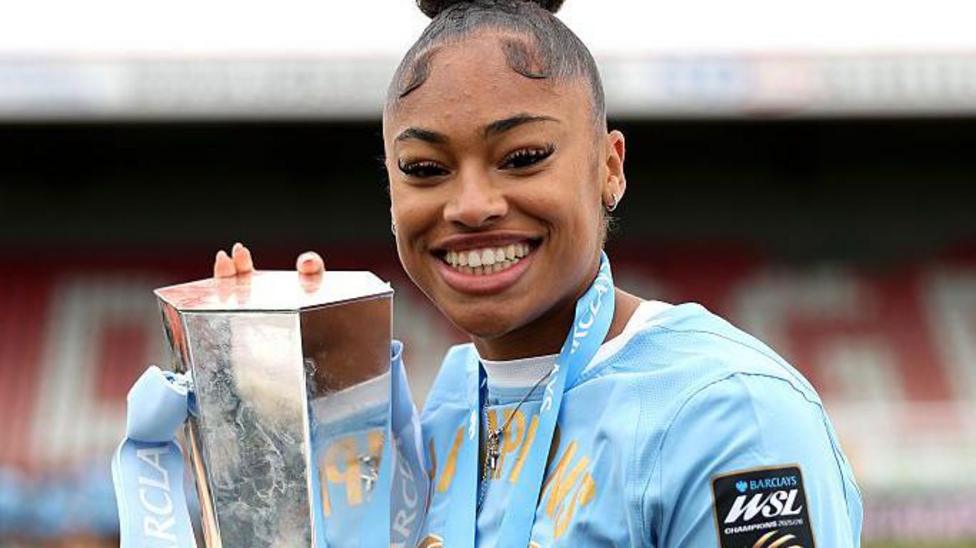
Keating Rejects Man City Deal: A Goalkeeper Market Reshuffle
Khiara Keating's Man City rejection signals a shifting WSL landscape where elite ball-playing goalkeepers demand tactical centrality over squad security.

Melting Point: How 43°C Heat Dismantled Ireland's 1994 World Cup Dream
Ireland's 2-1 loss to Mexico in 43°C heat at the 1994 World Cup remains football's most brutal cautionary tale about playing in extreme conditions.
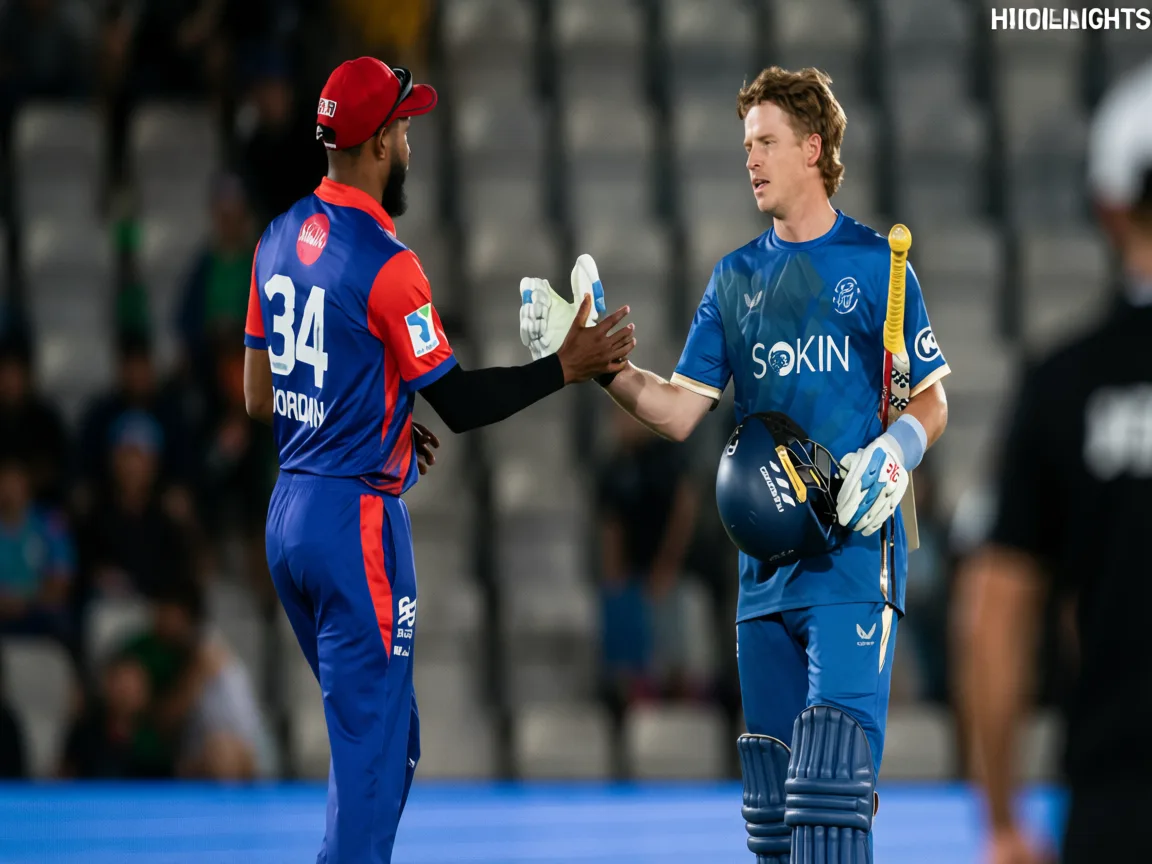
Jacks Fifty Anchors MI London's Last-Ball Heist at Utilita Bowl
Will Jacks' 54 off 41 grounded a chaotic chase as MI London edged Southern Brave by three wickets in Southampton.