BBC Locks In Live Scores for 2026-27: A Quiet Shift in Football Consumption
BBC's lock-screen score push for 2026-27 signals a subtle but real change in how fans will consume football.
The BBC will push live football score updates directly to smartphone lock screens from the 2026-27 campaign. The corporation has never held live Premier League rights in the modern era, yet its Sport app remains the default second screen for millions of British supporters on a Saturday afternoon. Putting the score on the lock screen, without requiring the user to open anything, extends that reach into the one place broadcasters cannot currently place content.
How lock-screen updates work
A push notification lands on a locked phone with the current scoreline, removing the need to unlock the device, locate an app, and wait for a refresh. The Football League follower benefits most. A fan tracking Bristol City at 3pm on a Saturday while also keeping an eye on a promotion rival currently toggles between apps and refreshes manually. Lock-screen updates collapse that friction across forty-six gameweeks.
For the Champions League viewer on a Tuesday evening, the use case sharpened. A supporter watching Bayern Munich on one broadcaster can receive notifications for the concurrent fixture in the same city without leaving their sofa.
Why 2026-27
That summer brings the expanded World Cup, hosted across the United States, Canada, and Mexico. Time-zone differences mean many fixtures will fall during UK working hours or commutes. At that point, the lock screen becomes the matchday programme.
The timing also aligns with rights churn. The 2025-26 season is the final year of the current Premier League cycle. By 2026-27, the league will operate under a new domestic rights agreement, with packages redrawn and kick-off slots potentially shuffled. Internationally, that window coincides with renegotiated European broadcast contracts.
The distribution advantage
Commercial operators have already pushed into this territory. Opta feeds power live infographics on social platforms. Club apps offer tiered notifications. The BBC's intervention is modest by comparison, but its distribution advantage is real: no paywall, no login, and no algorithmic feed to appease.
Younger supporters already treat the matchday scorecheck as a passive activity. A supporter who has grown up with instant messaging and real-time updates treats manual app refresh as a tedious technical limitation. Pushing the score to the lock screen is a concession to that behaviour, not an innovation.
The measurement problem
Social platforms have eroded the position of traditional media brands during live sport. Aggregators and unofficial score apps, many of them ad-supported, have captured the casual audience. By placing its own branded notification on the lock screen, the BBC reclaims a small piece of that attention.
Lock-screen notifications do not generate page views or dwell time, though. The BBC does not have a commercial imperative, but it does have a public value remit that depends on reach and relevance to a younger demographic. Whether that reclaimed attention can be measured is a question the corporation will need to answer.
Editorial Integrity
This is an original SportPulse article written by our editorial team. All content is independently researched, written, and reviewed by our writers and editors before publication. We do not publish copied, aggregated, or syndicated content.
SportPulse is committed to original sports journalism. Read our editorial policy or contact us with any questions.
More Like This
All football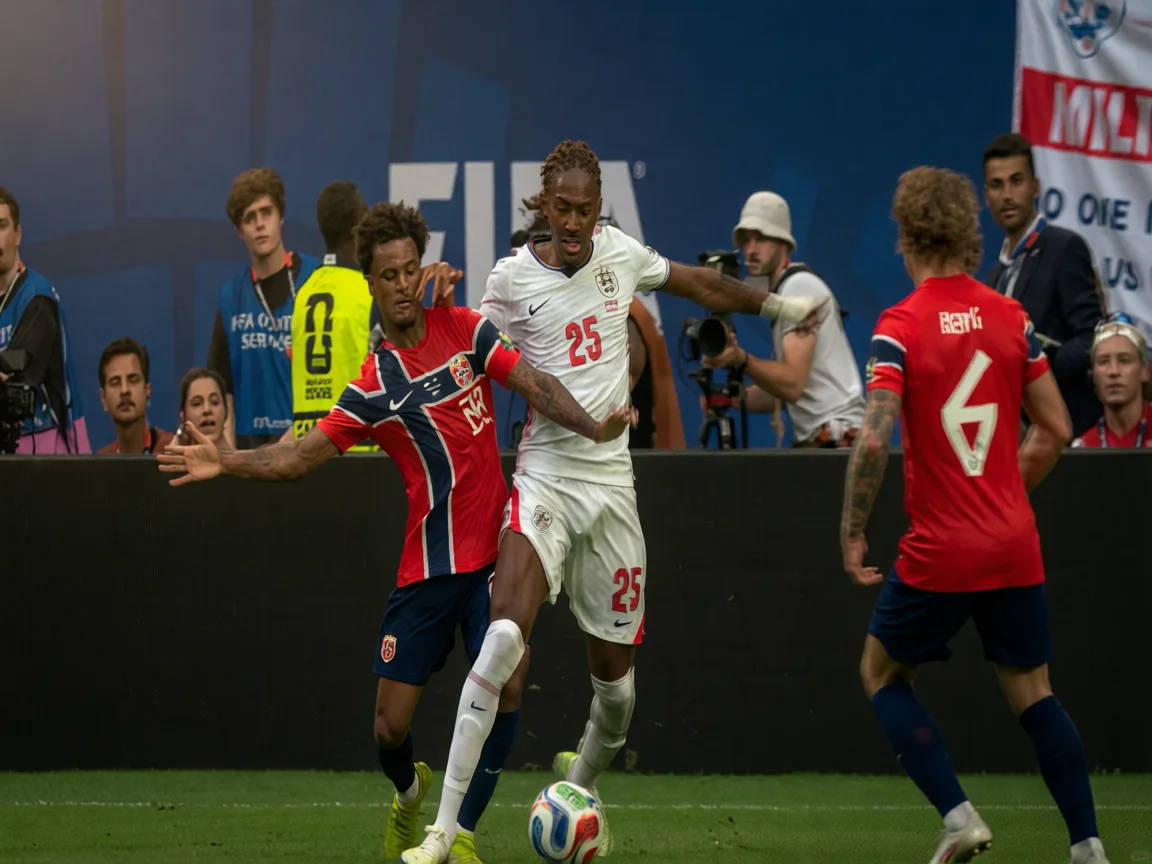
VAR Overturns England Penalty: Spence-Bobb Contact Debate
Djed Spence's aggressive defensive posture and Oscar Bobb's body orientation created a textbook VAR intervention scenario in Miami's extra-time drama.

Cape Verde Stun Uruguay Again as Bielsa Faces World Cup Exit
Cape Verde's Varela strike earns another historic draw, leaving Uruguay's World Cup hopes hanging by a thread.

Oyarzabal's Quiet Brilliance Meets Ronaldo's Last Stand
Spain's unchanged XI faces Portugal in a World Cup last-16 clash while a modest Oyarzabal lurks in the Golden Boot shadows.