Mark Hughes' Son Alex Died of Sudden Adult Death Syndrome
Alex Hughes, son of the former Manchester United and Wales striker, was found collapsed at home by his two young sons on 19 June.
On 19 June, Alex Hughes was found collapsed at his home in Macclesfield. His two young sons made the discovery. The cause of death has since been confirmed as sudden adult death syndrome, or SADS: an umbrella term for cardiac events that kill a seemingly healthy adult without warning.
Alex was the son of Mark Hughes, the Welsh footballer turned manager whose career spanned Bayern Munich, Chelsea, Southampton, and two spells at Manchester United separated by a record-breaking move to Barcelona. Hughes, known throughout the sport as Sparky, scored 16 goals in 72 appearances for Wales between 1984 and 1999. He managed Wales, Manchester City, Queens Park Rangers, and Stoke City among other clubs.
He had the physical attributes nobody else possessed. He could protect the ball, bring others into play, and brutalize defenders in the same breath.
Mark Hughes' father was a former rugby league player. The family's roots in British sport run deep through both Welsh and English athletics. The news that Alex's sons found him collapsed adds a specific weight to the bereavement that no medical terminology can soften.
A Death Without a Playbook
The football community has well-rehearsed responses for grief: a minute's applause, flowers at a stadium gate, a tribute in the matchday programme. When a former player's adult child dies, those rituals do not apply. The response is muted by the simple fact that this loss sits outside the sport. There is no Premier League fixture to contextualise it. No spotlight. A family in a Cheshire market town confronting a sudden absence.
Macclesfield sits on the edge of the Peak District, within commuting distance of Manchester's training grounds. For decades, Cheshire has attracted the region's biggest football names, drawn by the quiet that comes with distance from the city.
SADS refers to a sudden cardiac death in an adult where no obvious structural heart disease or external cause is identified. It is often linked to genetic arrhythmias or undiagnosed genetic cardiomyopathies. The British Heart Foundation estimates there are around 500 SADS deaths annually in the United Kingdom. Unlike a standard heart attack, which involves a blocked artery, SADS is caused primarily by an electrical malfunction in the heart.
Football's own history carries reminders of how suddenly cardiac failure can strike. Fabrice Muamba collapsed during an FA Cup tie at White Hart Lane in 2012 and survived after prolonged resuscitation on the pitch. Christian Eriksen suffered a cardiac arrest during Denmark's Euro 2020 opener against Finland and was resuscitated with a defibrillator. Marc-Vivien Foé died on the pitch during a Confederations Cup semi-final in 2003.
For Mark Hughes, the immediate future holds no transfer window, no team selection, no press conference. It holds a funeral to arrange, an absence to explain to grandchildren, and a grief that came without warning to a family that spent a lifetime in sport where warnings are part of every contest.
Editorial Integrity
This is an original SportPulse article written by our editorial team. All content is independently researched, written, and reviewed by our writers and editors before publication. We do not publish copied, aggregated, or syndicated content.
SportPulse is committed to original sports journalism. Read our editorial policy or contact us with any questions.
More Like This
All long-reads
Mackenzie Bets on Himself: Welsh Bantamweight Signs Five-Fight Cage Warriors Deal with UFC in His Sights
Welsh bantamweight Ieuan Mackenzie signs five-fight Cage Warriors contract, setting his sights on the UFC pathway that launched legends.
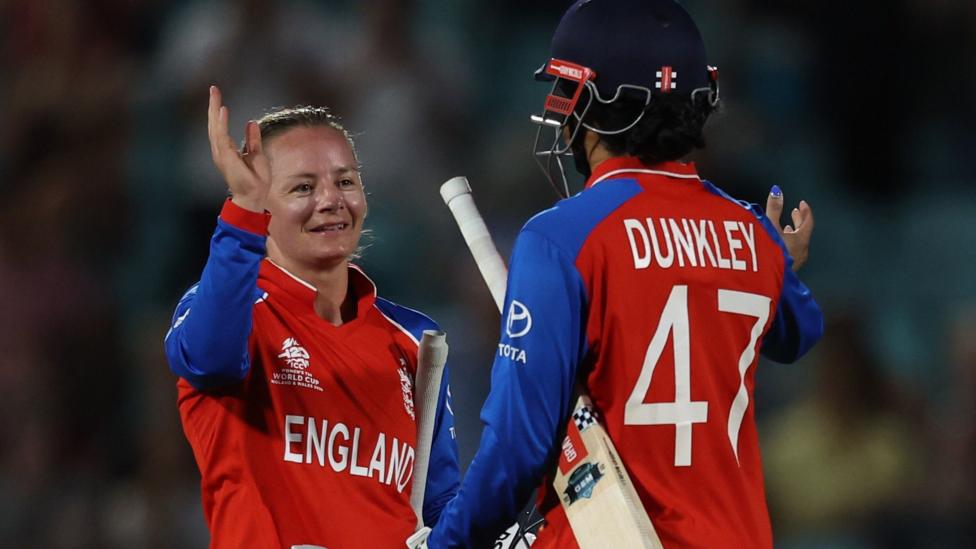
Hartley's Bold Verdict: England Playing Best Cricket in Years
Former spinner Alex Hartley backs England Women to reach the T20 World Cup final ahead of Thursday's semi-final showdown.
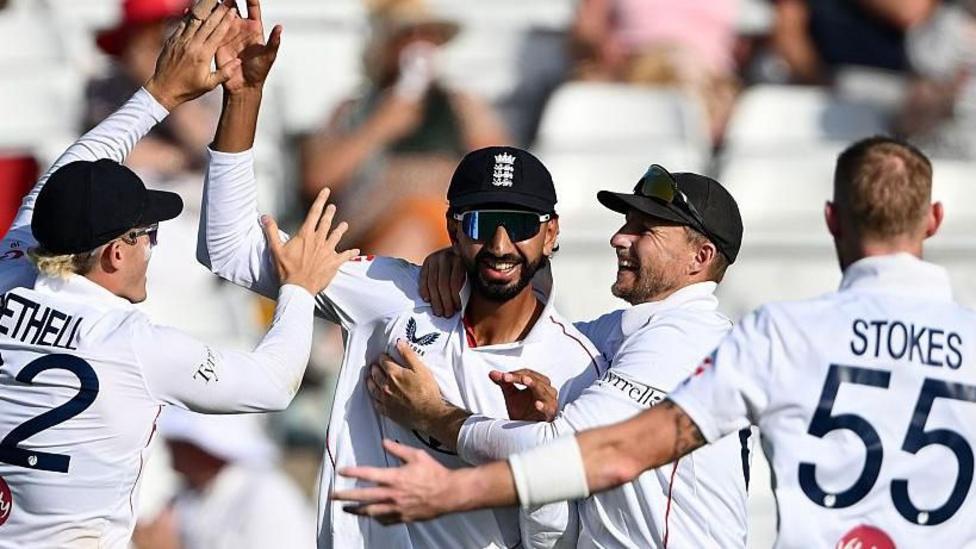
Southee Sounds Alarm: England Can Rewrite NZ's Trent Bridge Nightmare
New Zealand's assistant coach admits England's 2022 Trent Bridge heroics still haunt the touring party ahead of the series decider.